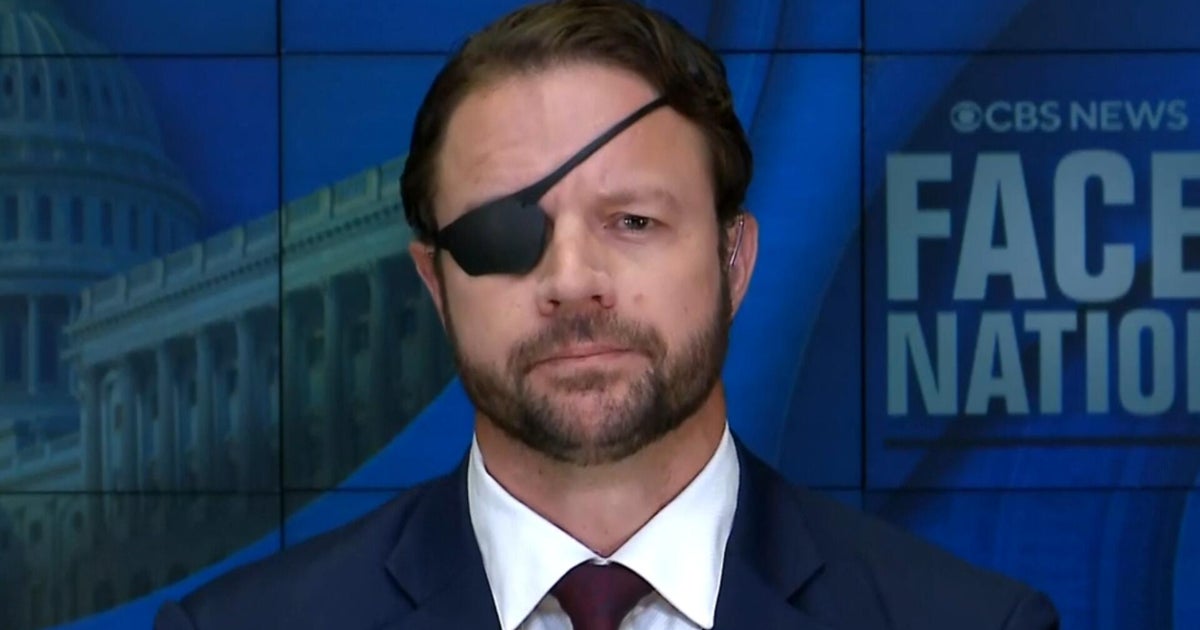
Iran's foreign minister rejects talk of dialogue with U.S. as strikes continue
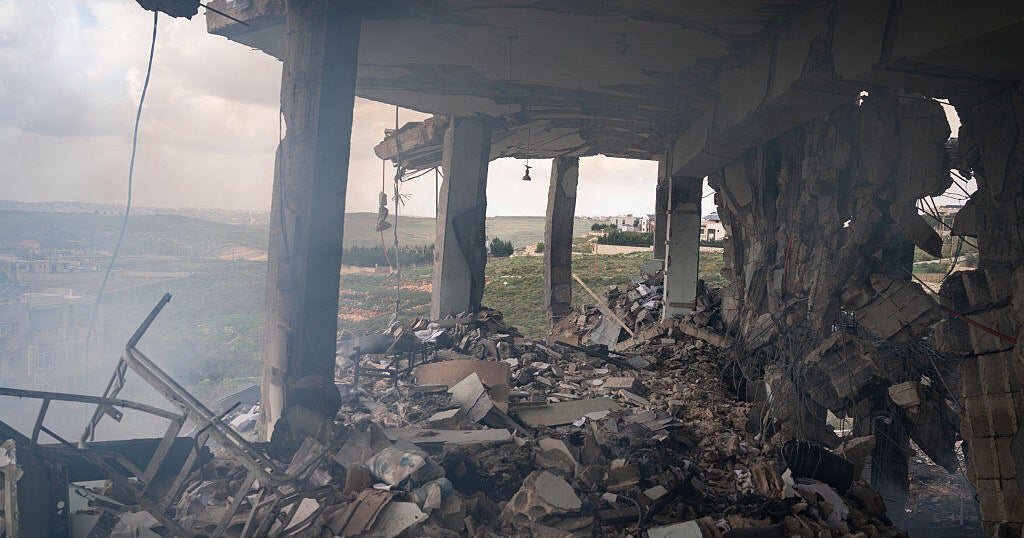
**Iran-U.S. Tensions Escalate as Dialogue Stalls**
In the midst of ongoing airstrikes and heightened tensions, Iran's foreign minister, Hossein Amir-Abdollahian, has categorically rejected the idea of engaging in dialogue with the United States. This stance comes as both countries continue to exchange blows in the Middle East, leaving global powers watching with bated breath.
The conflict between Iran and the U.S. has its roots in several longstanding issues, including Iran's nuclear program, its support for militant groups in the region, and the U.S. withdrawal from the 2015 Iran nuclear deal. These factors have created a volatile mix, with both sides engaging in a war of words and military actions.
In recent days, the U.S. has stepped up its military presence in the region, with airstrikes targeting Iranian-backed militias in Iraq and Syria. Iran has responded with its own military strikes, including a rocket attack on a U.S. base in Iraq. The escalation has raised concerns about the potential for a wider conflict in the Middle East, an area that is already reeling from the effects of war and instability.
Amir-Abdollahian's rejection of dialogue with the U.S. is a clear indication that Iran is not willing to back down or engage in negotiations at this point. This stance is likely to be met with skepticism by the international community, which has been pushing for a return to diplomacy to resolve the crisis.
For many Nigerians, the Iran-U.S. conflict may seem like a distant issue, but its implications are far-reaching. The conflict has significant implications for global energy markets, which are heavily dependent on Middle Eastern oil. Any disruption to oil supplies from the region could have a major impact on the global economy, including Nigeria's own energy sector.
Furthermore, the conflict in the Middle East has significant implications for regional stability and security. The involvement of multiple actors, including the U.S., Iran, and other regional powers, makes it a complex and volatile situation that could have far-reaching consequences.
As the situation in the Middle East continues to unfold, one thing is clear: the path forward is uncertain. With both sides dug in and refusing to back down, the risk of a wider conflict remains high. The international community will be watching closely to see how the situation develops, and what steps can be taken to prevent a catastrophic escalation of the conflict.
Source: Original Article • AI-enhanced version for clarity & Nigerian context
Related Stories