Desperation in Cuba Ignites Unusual Acts of Defiance

**Desperation in Cuba: A Spark of Rebellion Ignites Across the Island**
Cuba, a country known for its rich history and cultural heritage, is facing a period of unprecedented economic hardship. The island nation, which has been under communist rule since the 1959 revolution, is grappling with a severe shortage of basic necessities like food, medicine, and electricity. This dire situation has led to a surge in protests and acts of defiance across the country.
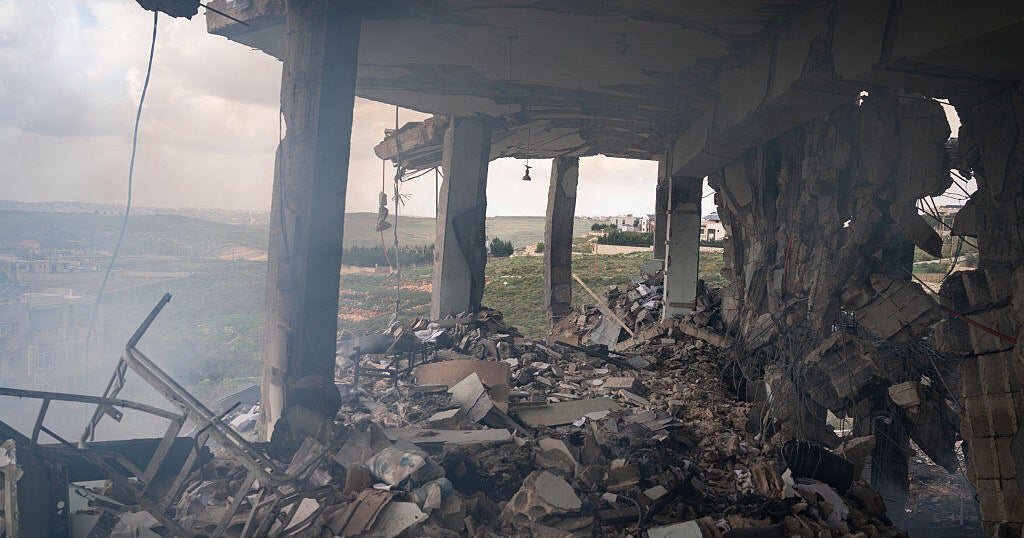
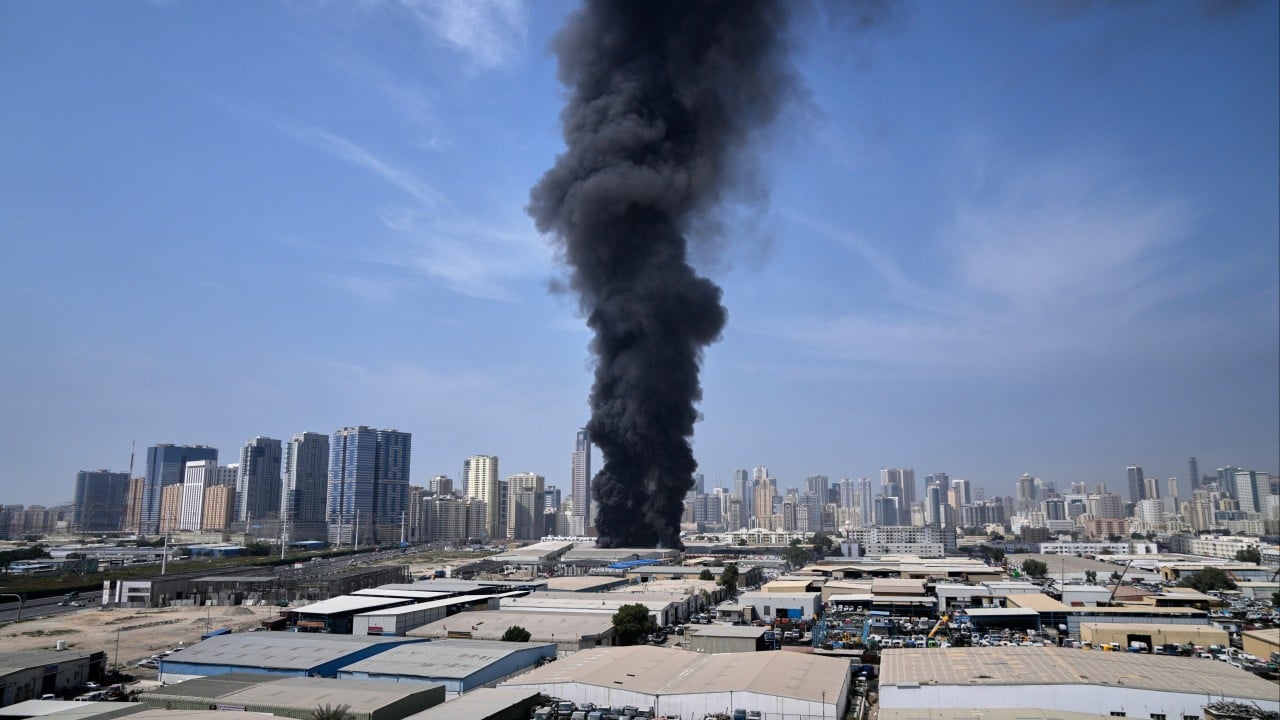
Recently, a protest in Morón, a city in central Cuba, took a dramatic turn when demonstrators stormed the local headquarters of the Communist Party. The protesters, who were demanding better living conditions and an end to the country's economic woes, set the building ablaze in a fiery display of frustration and discontent.
This is not an isolated incident. In recent months, Cuba has witnessed a wave of protests and demonstrations, with citizens taking to the streets to express their discontent with the government's handling of the economy. The protests have been largely peaceful, but some have turned violent, with reports of vandalism and property damage.
The root cause of the discontent lies in the country's economic struggles. Cuba has been suffering from a severe economic crisis, which has led to a shortage of basic necessities like food, medicine, and electricity. The country's economy is heavily dependent on imports, which has made it vulnerable to global market fluctuations. The COVID-19 pandemic has further exacerbated the crisis, with the country's tourism industry, a major source of revenue, grinding to a halt.
The situation in Cuba bears some resemblance to the economic struggles faced by many African countries, including Nigeria. The country's reliance on oil exports, which makes up a significant portion of its revenue, has left it vulnerable to fluctuations in global oil prices. Similarly, the recent economic challenges in Nigeria, including a decline in oil prices and a scarcity of foreign exchange, have led to a shortage of basic necessities like fuel, electricity, and food.
The protests in Cuba serve as a reminder that economic hardship can lead to widespread discontent and social unrest. As the situation in Cuba continues to unfold, it will be interesting to see how the government responds to the protesters' demands for change.
In a country where the government has traditionally maintained a tight grip on power, the protests in Cuba represent a significant challenge to the status quo. The willingness of citizens to take to the streets and demand change is a testament to their resilience and determination to improve their living conditions. As the situation in Cuba continues to evolve, it will be worth watching to see how this story unfolds.
Source: Original Article • AI-enhanced version for clarity & Nigerian context
Related Stories