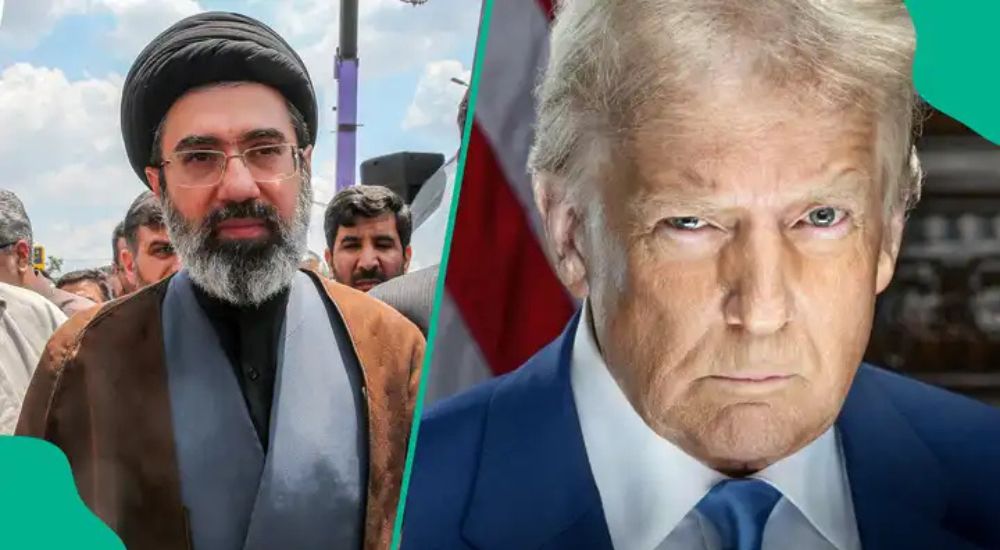
Iran's rejection of a US ceasefire proposal has dealt a significant blow to Washington's efforts to end the conflict in the Middle East. The proposal, which included guarantees that the US and Israel would not resume attacks, reparations for war damages, and recognition of Iran's authority over the Strait of Hormuz, was deemed "illogical and not viable" by Tehran. Iran has its own set of conditions for a ceasefire, which include protection of its missile capabilities and assurances of respect for its regional sovereignty.
The US reportedly compiled a 15-point peace proposal, delivered to Iran via Pakistan, which requires Tehran to dismantle its main nuclear facilities and limit its missile arsenal to self-defense. In exchange, Iran would receive concessions, including sanctions relief. Despite diplomatic efforts, Iran continued military operations on Wednesday, with new missile launches targeting Israel and a drone intercepted by Saudi Arabia in its eastern region.
The conflict has caused widespread devastation in the Middle East and global markets, with President Trump emphasizing that any agreement must prevent Iran from obtaining nuclear weapons or enriching radioactive material for civilian purposes.
💡 NaijaBuzz TakeThe US's failure to secure a ceasefire proposal from Iran raises serious questions about the effectiveness of Washington's diplomatic efforts in the region. President Trump's emphasis on preventing Iran from obtaining nuclear weapons is a clear indication of the US's long-term concerns about Tehran's nuclear ambitions. However, the killing of Supreme Leader Ali Khamenei and several other senior officials has created uncertainty over who would represent Iran in negotiations. The reopening of commercial shipping in the Strait of Hormuz remains a pressing concern, with Israel's response to any agreement also hanging in the balance. For everyday Nigerians, the conflict's impact is largely felt through rising oil prices and economic instability, making a swift resolution to the crisis imperative.