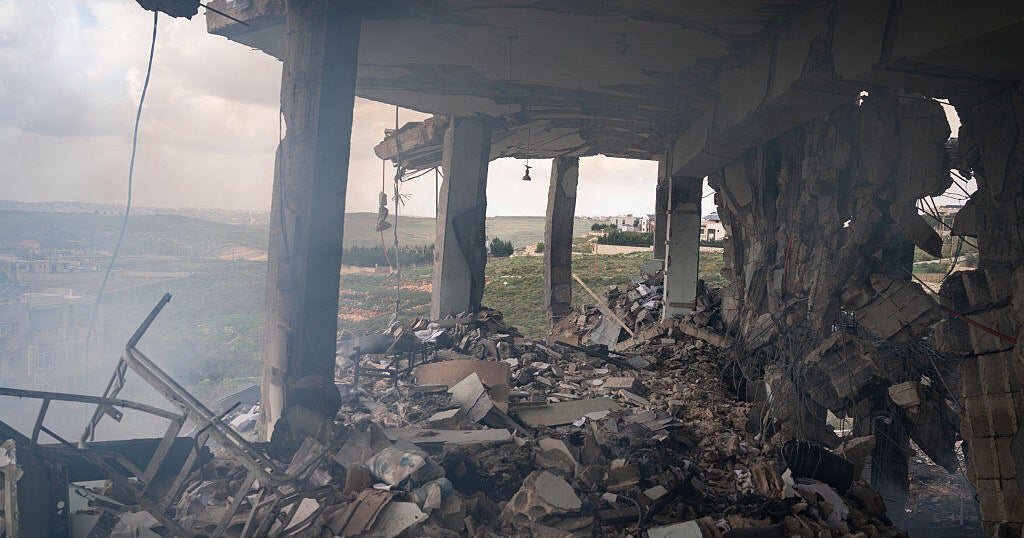
How the conflict in Iran is affecting global markets

**The Iran Conflict: A Global Market Storm**
A brewing storm in the Middle East is causing ripples in the global market, with far-reaching implications for Nigeria and the world at large. The ongoing conflict in Iran has driven up oil prices, affecting fuel and commodity prices worldwide. This, in turn, is fueling inflation and recession risks globally.
Iran is a significant oil producer, and its conflict has disrupted the global oil supply chain. This has led to a surge in oil prices, which has, in turn, driven up fuel prices in Nigeria. As we all know, fuel is a critical component of our daily lives, from transportation to production. The price hike is, therefore, affecting various sectors of our economy, including manufacturing, transportation, and even food prices.
The conflict in Iran has also affected the prices of other commodities such as gold, silver, and metals. This is because investors are seeking safe-haven assets in times of uncertainty, driving up prices. The ripple effect is also being felt in other markets, including the stock market, where investors are becoming increasingly cautious.
The impact of the Iran conflict on global markets is not limited to Nigeria. In Europe, the conflict has led to increased tensions with Russia, a major oil producer. This has raised concerns about the stability of global oil supplies and the potential for a price war. Asia, which is heavily reliant on oil imports, is also feeling the pinch, with oil price hikes affecting industries such as shipping and manufacturing.
The situation is further complicated by the fact that the Iran conflict has also led to increased tensions between the United States and China, two major economic powers. This has raised concerns about the stability of global trade and the potential for a trade war.
In conclusion, the conflict in Iran is a global market storm that requires careful monitoring. As Nigerians, we need to be aware of the potential implications of this conflict on our economy and be prepared for any eventuality. We can do this by diversifying our economy, reducing our reliance on oil, and promoting local production.
As the situation continues to unfold, it is essential that we remain vigilant and take proactive steps to mitigate the effects of the conflict on our economy. By working together, we can navigate this challenging period and emerge stronger and more resilient than ever.
Source: Original Article • AI-enhanced version for clarity & Nigerian context