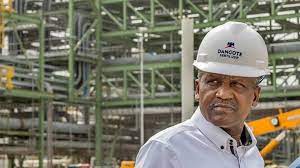
The Dangote Refinery has been a game-changer for Nigeria, shielding the country from severe fuel shortages and price hikes. By building the world's largest single-train refinery on African soil, Aliko Dangote has given Nigeria a shield against external shocks and a foundation for energy independence. The refinery has enabled Nigeria to refine its own crude, stabilise supply, and keep a measure of control over pump prices even when the world is in turmoil.
Dangote's refineries have stepped in to meet Nigeria's energy demands, reducing the country's reliance on imports and creating opportunities for Nigeria to export fuel to other African nations. The refinery has already sold 12 cargoes of premium motor spirit to countries like Cote d'Ivoire, Cameroon, and Ghana.
However, despite its successes, the Dangote Refinery faces challenges, including inadequate crude oil supply from local producers. This has led to increased fuel prices, with petrol prices rising above N1,300 per litre. To maximise the refinery's potential, the Nigerian government must prioritise resolving the crude oil supply issue and provide a stable regulatory environment.
The Nigerian government's inaction has long been a boon for greedy oil marketers, who would have exploited the current energy shortage to fleece Nigerians dry. Aliko Dangote's intervention has broken this cycle, giving Nigerians a fighting chance in a global energy war they did not start. The Dangote Refinery is a symbol of Nigeria's potential and resilience, and it's imperative that the government supports local industries that drive economic growth and self-sufficiency. By prioritising the refinery's needs, the government can ensure that Nigerians continue to benefit from affordable fuel prices and a stable energy supply. The stakes are high, and Nigerians expect their leaders to act decisively to maximise the refinery's potential.