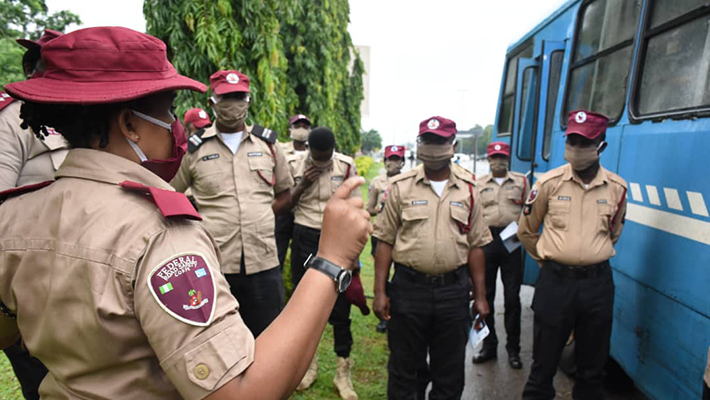
The Federal Road Safety Corps (FRSC) has taken a significant step to mitigate road traffic crashes on the Kugbo outbound corridor in Abuja. The agency restricted over 300 articulated vehicles and trucks from movement during peak hours as part of its ongoing enforcement operation, codenamed 'Operation Safe Kugbo'.
The FRSC's enforcement operation, led by the corps marshal, Shehu Mohammed, aims to reduce road traffic crashes and fatalities nationwide. The operation is in line with the National Road Traffic Regulations and the FCT Traffic Regulations. The agency's 2026 Corporate Strategic Goal 1 prioritises reducing road traffic crashes and fatalities.
According to the FRSC, the restriction of 96 articulated vehicles/trucks on the second day of the operation was the highest record since commencement. The cumulative total of restricted vehicles since the operation began was about 300, reflecting a high level of compliance and operational effectiveness.
The FRSC has recorded zero road traffic crashes involving articulated vehicles during the restricted hours. This underscores the impact of proactive traffic management and strict enforcement. The agency assured the public of its commitment to sustaining the operation and replicating similar safety-driven initiatives across other critical corridors.
💡 NaijaBuzz TakeThe decision to restrict over 300 trucks from movement on the Kugbo outbound corridor is a welcome move by the FRSC. This proactive initiative by the corps marshal, Shehu Mohammed, demonstrates a commitment to reducing road traffic crashes and fatalities nationwide. The success of 'Operation Safe Kugbo' is a testament to the FRSC's ability to enforce traffic regulations and ensure public safety. The restriction of trucks during peak hours is a necessary safety measure that protects lives and property. Motorists, fleet operators, and truck drivers must continue to cooperate with the FRSC by complying fully with the stipulated restrictions. The FRSC's commitment to sustaining this operation and replicating similar safety-driven initiatives will undoubtedly have a positive impact on road safety in Nigeria. This move by the FRSC is a step in the right direction, but it is essential to replicate this success across other critical corridors. The FRSC must continue to enforce traffic regulations and ensure public safety. The success of 'Operation Safe Kugbo' sets a precedent for similar initiatives, and it is crucial that the FRSC sustains its efforts to reduce road traffic crashes and fatalities nationwide.