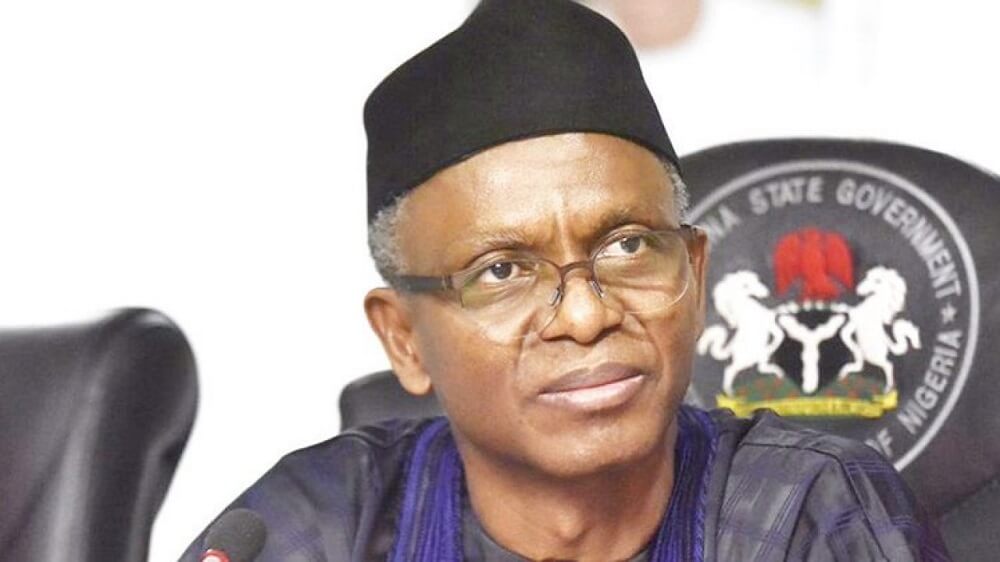
Nigeria's livestock sector holds immense potential for driving economic growth and ensuring food security, but the country must adopt sustainable production systems to unlock this potential. The Minister of Livestock Development, Alhaji Mukhtar Maiha, recently made this assertion at a conference on animal welfare and sustainable animal systems. The event, organised by the Animal Welfare Club Nigeria at the Obafemi Awolowo University in Ile-Ife, Osun, brought together stakeholders to discuss the importance of animal welfare in livestock management.
Improving animal welfare is crucial for enhancing productivity, public health, and meeting global best practices in livestock management. Maiha noted that Nigeria's livestock policies must be aligned with modern and science-based approaches that promote humane treatment of animals while increasing efficiency across the value chain. The minister also highlighted the significance of climate-resilient livestock systems, reduced environmental impact, and responsible animal husbandry practices.
Livestock plays a vital role in Nigeria's economy, contributing significantly to livelihoods, nutrition, employment, and the national GDP. The sector sustains millions of households, from pastoral communities in the North to poultry, aquaculture, and small-ruminant enterprises across the country. However, the sector faces significant challenges, including climate change, environmental degradation, market pressure, and international trade requirements.
💡 NaijaBuzz TakeThe Federal Government's commitment to advancing progressive policies that support climate-resilient livestock systems is a welcome development. However, the government must ensure that these policies are effectively implemented to address the sector's challenges. The success of Nigeria's livestock sector will depend on the ability to balance economic growth with environmental stewardship and animal welfare. This requires collaboration among government agencies, the private sector, and international organisations. Ultimately, the future of Nigeria's livestock sector holds significant potential for job creation, poverty reduction, and national development, but only if these challenges are addressed.