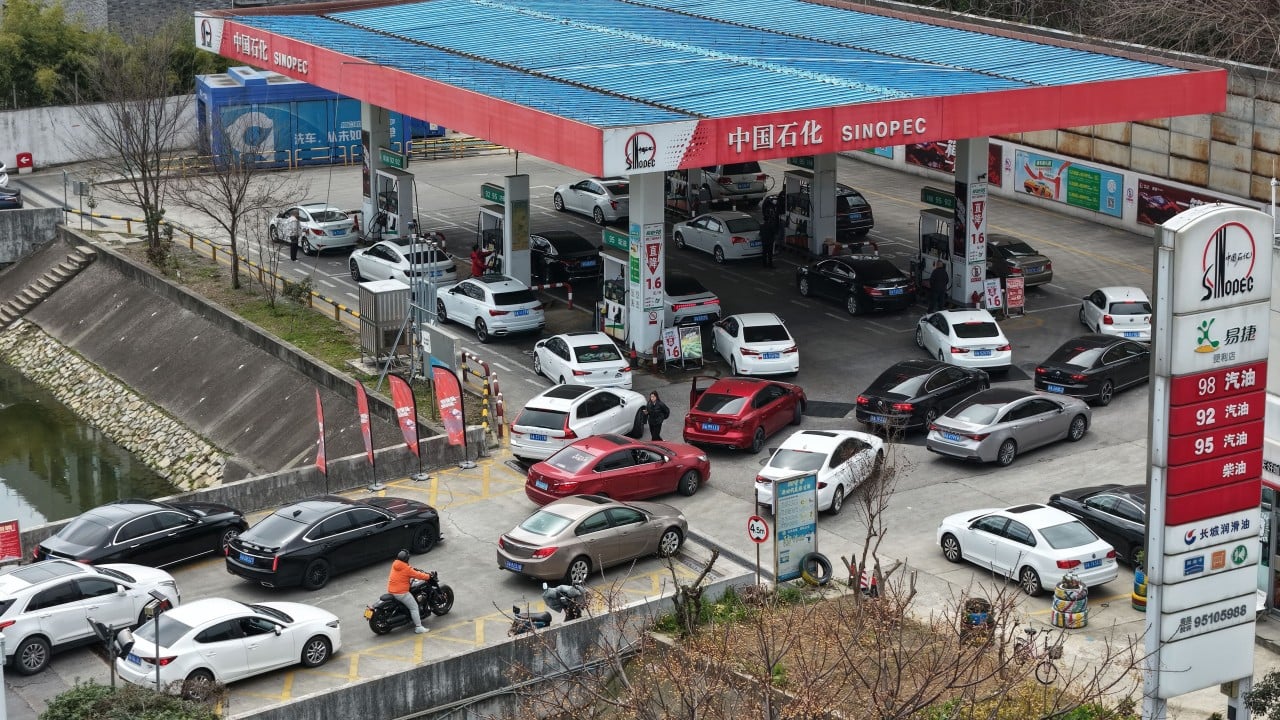
France's government has announced a series of measures aimed at mitigating the impact of rising fuel prices, which have been exacerbated by the ongoing Middle East conflict. The measures, unveiled on Monday, include easing certain payroll levies and extending deadlines for tax payments and public loans for companies in the transport and fishing sectors. However, these steps have been met with skepticism by fishing associations, who argue that they do not go far enough to address the crisis. The government has also asked oil refineries to assess their ability to temporarily increase production, with the aim of alleviating market tensions on refined products in Europe.
The Strait of Hormuz, through which 20 percent of the world's oil passes, has been severely disrupted due to the conflict, leading to a surge in oil prices. This has had a ripple effect on the global economy, with many countries struggling to cope with the rising costs. France, which imports half of its diesel requirements, is particularly vulnerable to these price increases. As the situation continues to unfold, it remains to be seen how effective these measures will be in addressing the crisis.
The French government's half-hearted measures to address the fuel price crisis are a testament to the complexities of navigating global economic uncertainty. While the easing of payroll levies and extended deadlines for tax payments may provide some temporary relief, they do little to address the underlying issue of supply and demand. The fact that France imports half of its diesel requirements makes it particularly vulnerable to price fluctuations, and it remains to be seen how the country will navigate this challenging economic landscape. The global implications of the Middle East conflict are far-reaching, and it is essential that governments take decisive action to mitigate the impact on their economies.