Denmark's Prime Minister Seeks Re-election Amid International Backlash
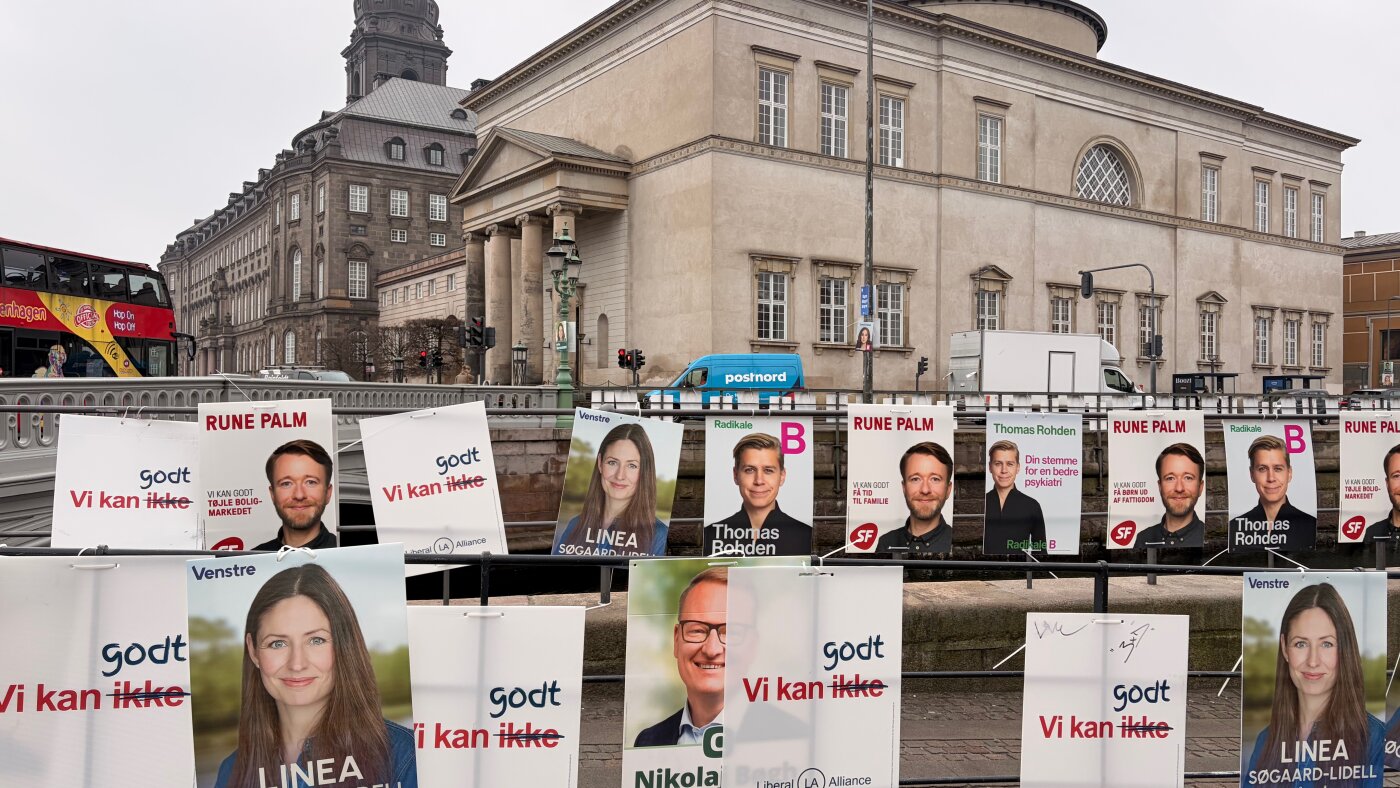
The Danish capital, Copenhagen, is abuzz with election fervor as citizens prepare to cast their votes in Tuesday's parliamentary elections. Campaign posters plaster city walls, parks, and lamp posts, showcasing smiling faces of candidates vying for a spot in the Danish parliament. The most prominent smile belongs to Prime Minister Mette Frederiksen, whose center-left Social Democratic Party has seen a surge in popularity following her bold stance against President Trump's threats to take Greenland.
Frederiksen's decision to call early elections appears to be a calculated move to capitalize on her newfound popularity. Analysts suggest that her strong stance on the Greenland issue has contributed significantly to her rising popularity. "The situation surrounding Greenland has undoubtedly boosted her standing in the polls," says Peter Thisted Dinesen, a political science professor at the University of Copenhagen.
The Greenland issue has not only united Denmark but has also brought the country closer to its most important territory. Aaja Chemnitz, a parliamentarian from the Inuit Ataqatigiit party in Greenland, notes that the current situation has strengthened ties between Greenland and Denmark. "In many ways, Greenland and Denmark are standing closer together than ever before in history," she says.
As the election nears, Frederiksen's popularity is expected to play a significant role in determining the outcome. The results of the election will be closely watched, not only in Denmark but also internationally, as they may have implications for the country's stance on global issues.
The Danish election is a clear example of how international politics can have a significant impact on domestic politics. Prime Minister Mette Frederiksen's bold stance against President Trump's threats to take Greenland has catapulted her to the forefront of European politics. As the election results unfold, it will be interesting to see how this newfound popularity will shape Denmark's future stance on global issues. The international community will be watching closely to see if this trend will continue and how it will affect the country's relationships with other nations.