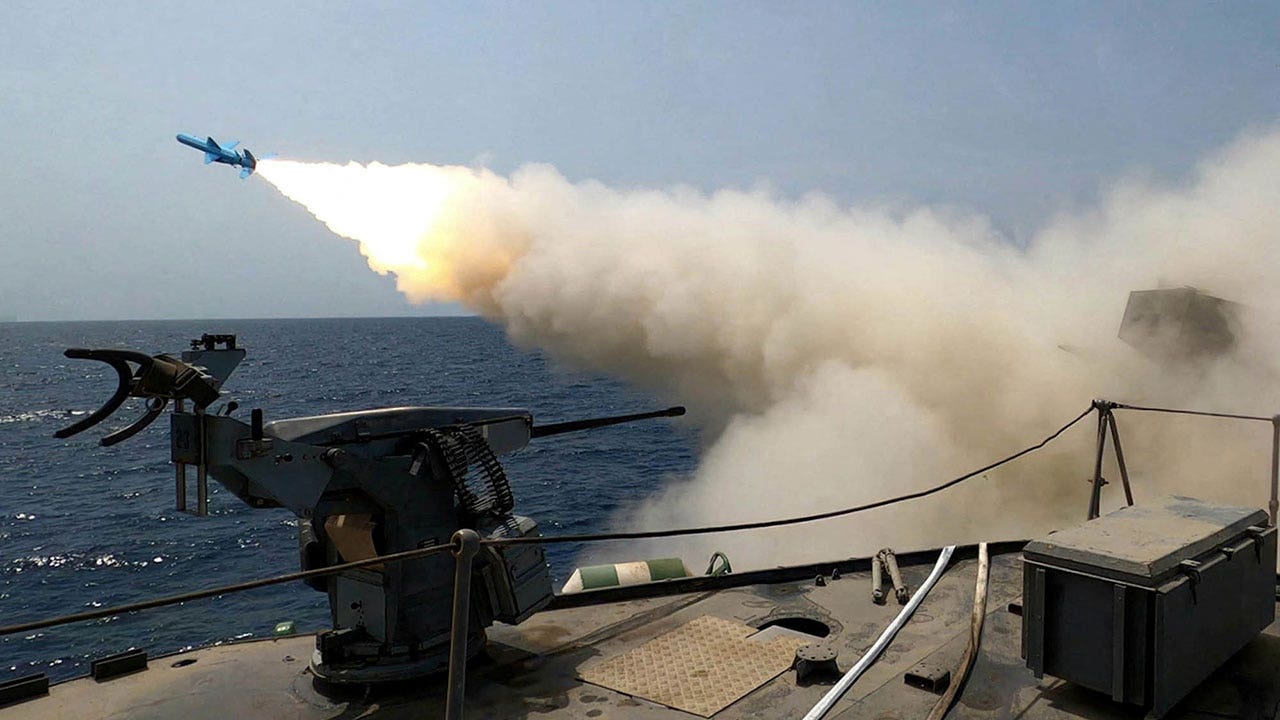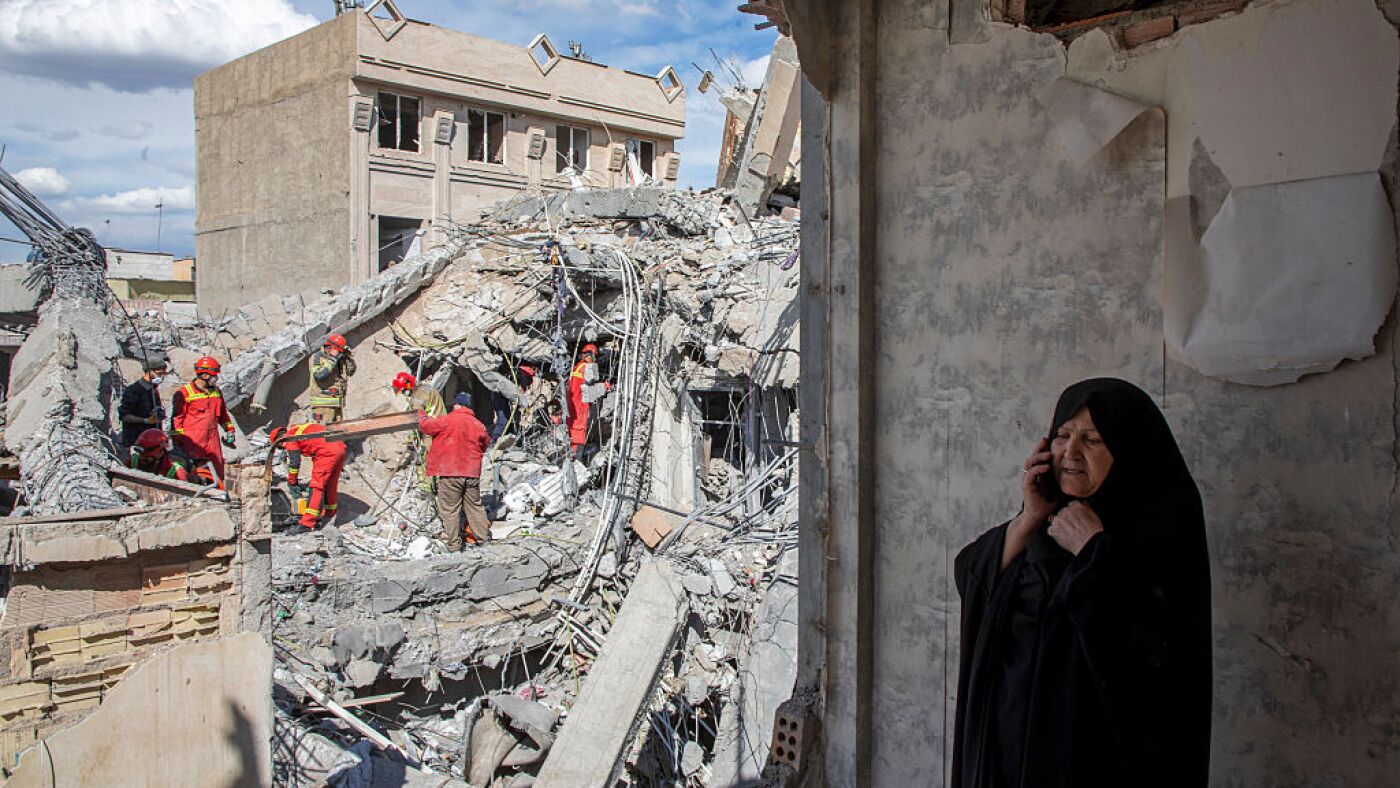
The worst effects of the US-Iran conflict are yet to be felt in Asia, with the region's energy-import-dependent countries bracing for a severe economic shock. The crisis, sparked by the US bombing of Iran, has already sent shockwaves through global markets, with crude oil prices soaring by nearly 40 per cent in just one month. The region's reliance on energy imports, particularly through the Strait of Hormuz, has made it vulnerable to disruptions in supply. The Strait, a vital conduit for 80 per cent of Asia's total energy imports, has been effectively closed by Iran as a countermeasure, exacerbating the crisis.
The crisis is not limited to energy supply, but also affects petrochemicals, manufacturing supply chains, energy infrastructure, and transport networks, as well as financial markets. The price of liquefied natural gas shipments to Asia has risen by almost two-thirds, according to the World Bank. The economic and financial consequences of the US-Iran conflict are only beginning to be understood, and its impact on Asia is likely to be far-reaching.
Nigeria's economy, which relies heavily on oil exports, may not be directly affected by the crisis, but the global economic instability it creates could have a ripple effect on the country's trade and investment.
The US-Iran conflict has exposed the vulnerability of Asia's energy-import-dependent economies, and the region's reliance on a single energy conduit, the Strait of Hormuz, is a stark reminder of the risks of global economic interdependence. The crisis highlights the need for Asia to diversify its energy sources and develop more resilient supply chains. The US, on the other hand, must reconsider its foreign policy approach, which has led to a global economic crisis that hurts its allies more than its rivals. As the crisis deepens, the international community must come together to mitigate its effects and prevent further economic instability.