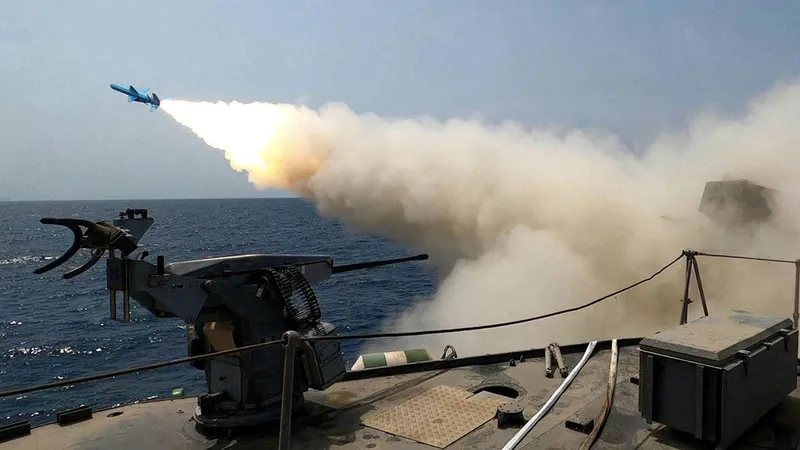
Iran's military has been reshaping its strategy to focus on survival in the face of increasing external pressures. The country's military is built with a strong emphasis on defense, rather than conventional warfare, as evident in its retention of missiles, militias, and naval threats.
This shift in strategy is attributed to the Islamic Revolutionary Guard Corps, which has been a key player in Iran's military landscape. The Corps has maintained a robust arsenal, including missiles, which serve as a deterrent against potential aggressors. Iran's military also relies on a network of proxy forces and naval threats to safeguard its interests.
Experts note that the U.S. strikes have not significantly impacted Iran's military capabilities, as the country has been able to adapt and maintain its defensive posture. This resilience is a testament to Iran's ability to survive in a region characterized by heightened tensions and conflict.
Iran's military strategy has significant implications for regional stability, particularly in the Middle East. The country's emphasis on defense and deterrence has created a complex security landscape, where multiple actors vie for influence and control.
Iran's military strategy of prioritizing survival over conventional warfare has far-reaching implications for regional stability. The country's retention of missiles, militias, and naval threats has created a complex security environment, where multiple actors must navigate the consequences of Iran's defensive posture. As tensions in the Middle East continue to escalate, Iran's military strategy will remain a crucial factor in shaping regional dynamics.