Europe turns to Algeria as Middle East war disrupts global energy flows
The European Union is scrambling to replace gas supplies from the Middle East, which have been severely disrupted by the ongoing war in the region. As a result, European governments are turning their attention to Algeria, a North African country with pipelines already linked to the continent. Algeria is boosting its gas supplies to Europe, with deliveries by pipeline to the European Union rising by 22 percent in January compared to the previous month.
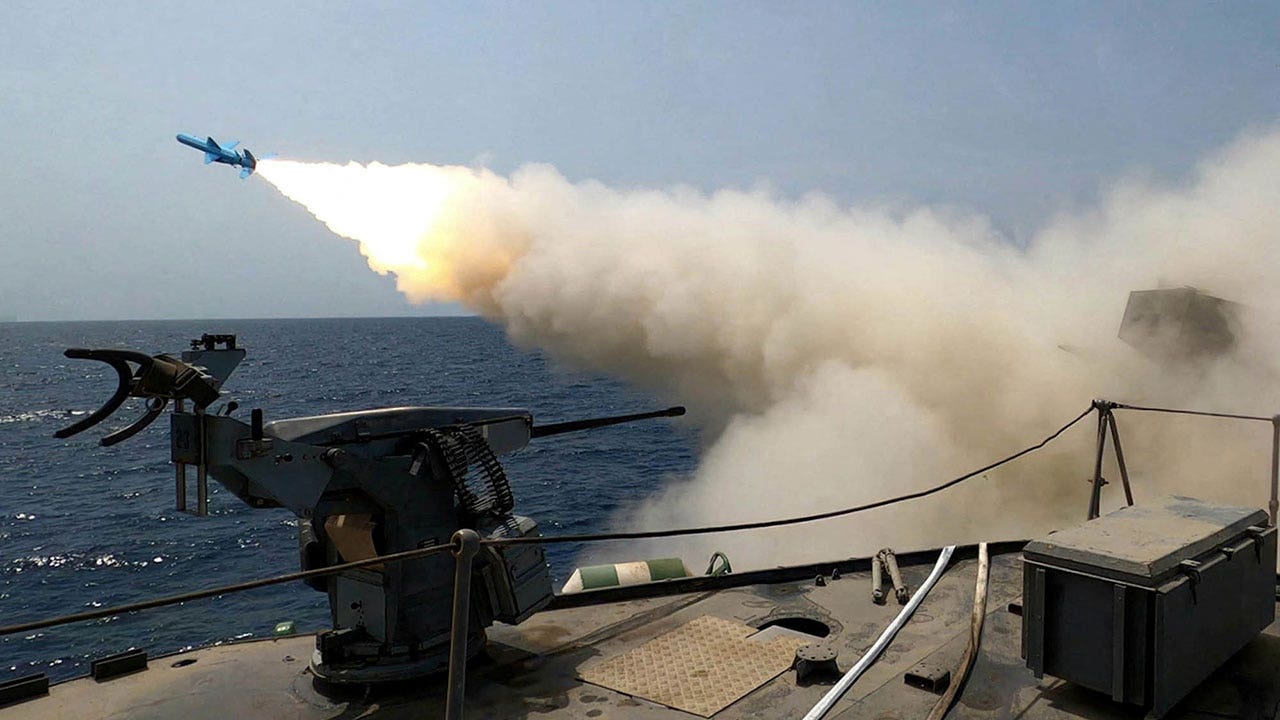
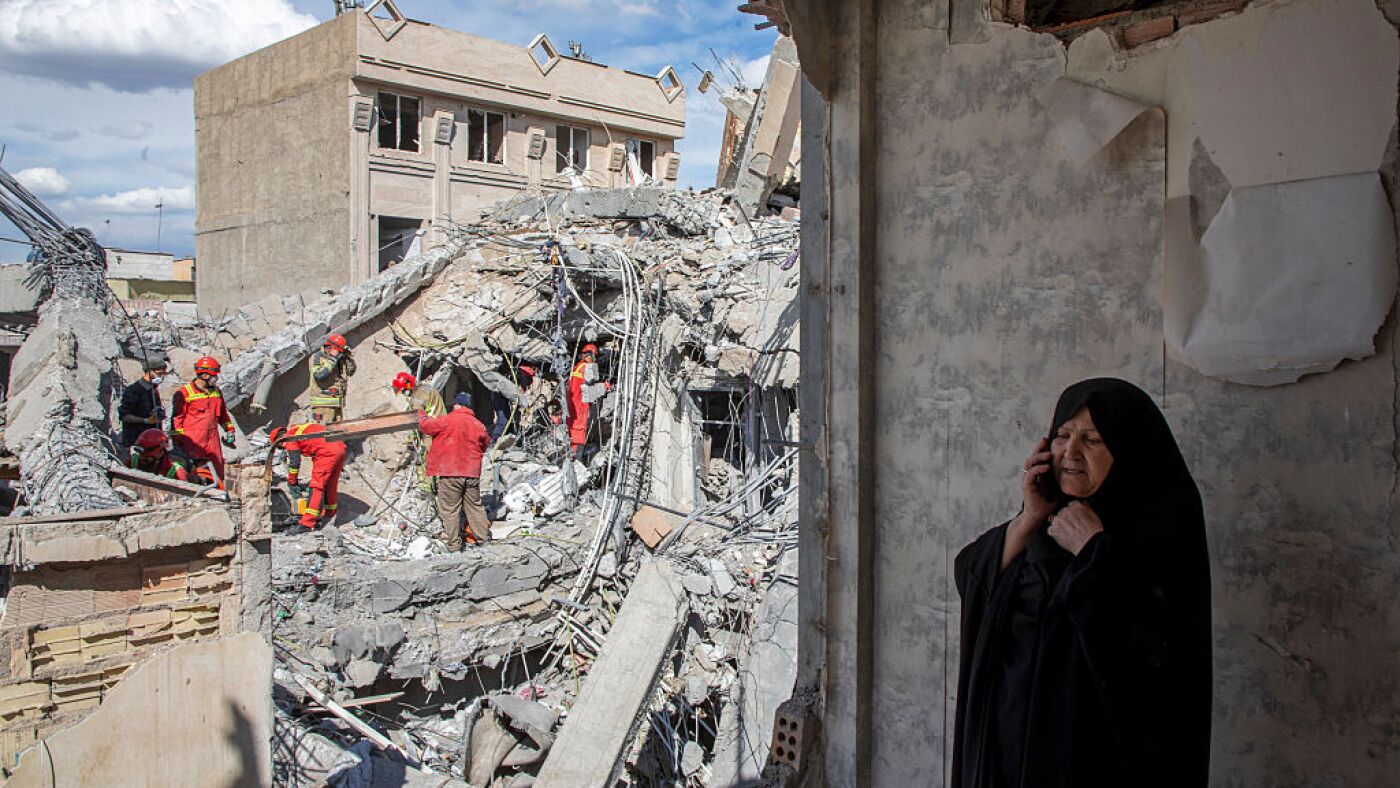
The war in the Middle East has caused significant damage to energy infrastructure, including the world's largest liquefied natural gas hub in Qatar. This has led to a sharp increase in energy prices, with European gas prices rising by 35 percent. The disruption has forced countries that relied on Gulf energy to move quickly, with Spain and Italy seeking to expand their supplies from Algeria.
Spain, which has been particularly reliant on Algerian gas, is considering raising deliveries by up to 10 percent. Italy, which already gets around 30 percent of its gas from Algeria, is also looking to increase deliveries as supplies from Qatar are disrupted. The shift reflects a broader scramble across Europe to secure stable energy sources as the conflict continues to affect production and transport routes in the Gulf.
Despite rising demand, analysts say Algeria cannot fully replace lost Gulf supplies. Experts predict that the economic effect of the disruption will be felt for years, with attacks on energy production sites raising concerns about the stability of global supply.
Algeria is expected to continue pushing to increase exports both through pipelines and by sea. However, the extent to which it can offset the disruption caused by the war in the Middle East remains to be seen.
The ongoing war in the Middle East has exposed the fragility of global energy supplies, and Europe's scramble to secure stable sources is a stark reminder of the region's vulnerability. Algeria's efforts to increase exports are a welcome development, but the reality is that it cannot fully replace lost Gulf supplies. The economic impact of this disruption will be felt for years, and it is imperative that European governments and international organizations work together to mitigate the effects of this crisis.