Down Syndrome Foundation Nigeria Marks 25th Anniversary, Calls for Inclusion and Empowerment
The Down Syndrome Foundation Nigeria (DSFN) commemorated World Down Syndrome Day on March 21st, marking a significant milestone in their 25-year journey of advocacy and support for individuals with Down syndrome. The event, held at the DSFN Center in Lagos, brought together stakeholders, parents, and corporate partners to renew calls for government-driven policies prioritizing inclusion, social protection, awareness, and healthcare for children and families with Down syndrome.
The theme of this year's celebration, "Together Against Loneliness," serves as a poignant reminder of the challenges faced by individuals with Down syndrome, who often experience exclusion and limited access to quality healthcare and education. The DSFN has been at the forefront of advocacy, working tirelessly to create a more inclusive society that recognizes and respects the rights of people with Down syndrome and other intellectual disabilities.
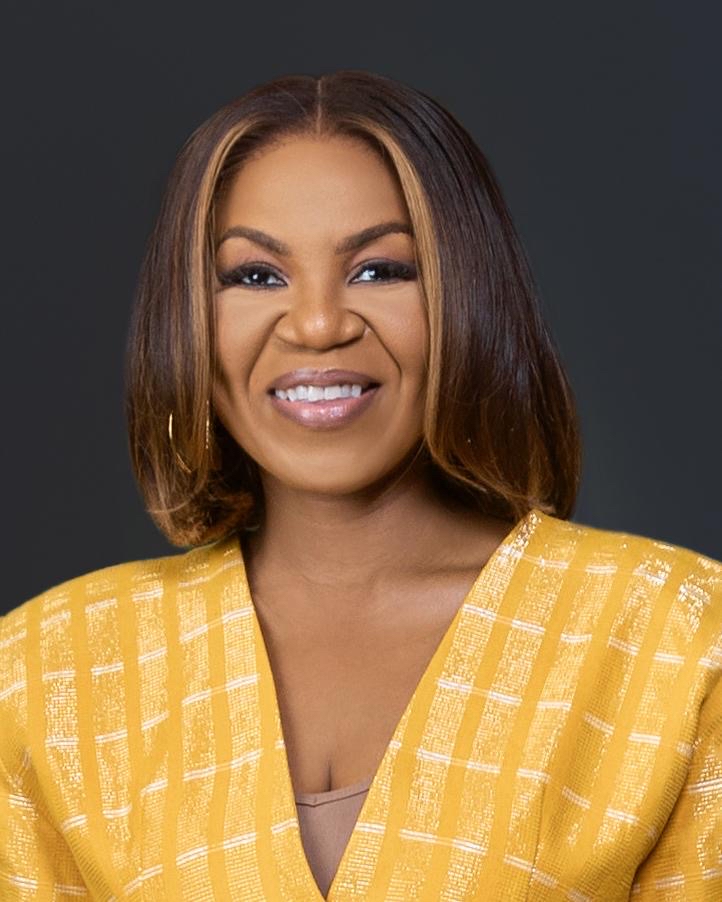
The foundation's CEO, Rose Mordi, reflected on their 25 years of impact, highlighting the need for continued action to address the challenges faced by individuals with Down syndrome. She emphasized the importance of disability laws and policies being fully implemented and enforced, calling on individuals, corporate organizations, and governments to rise to their social, moral, and constitutional responsibilities.
In a similar vein, Head of Education and Social Services, Sunday Ojo, stressed the significance of the event, underscoring the foundation's commitment to promoting awareness, acceptance, and opportunities for individuals with Down syndrome and disabilities. As the DSFN continues to push for a more inclusive society, their efforts serve as a beacon of hope for individuals and families affected by Down syndrome.
The DSFN's 25-year journey is a testament to the power of advocacy and determination. As they continue to push for inclusion and empowerment, it is imperative that governments and stakeholders take concrete steps to address the challenges faced by individuals with Down syndrome. The Nigerian government must prioritize disability laws and policies, ensuring that they are fully implemented and enforced. By doing so, we can create a more inclusive society that recognizes and respects the rights of all individuals, regardless of their abilities.