Donald Trump rejects Middle East mediation to end Iran war: Report
**US Refuses Middle East Mediation in Iran Conflict: What It Means for Africa and the World**
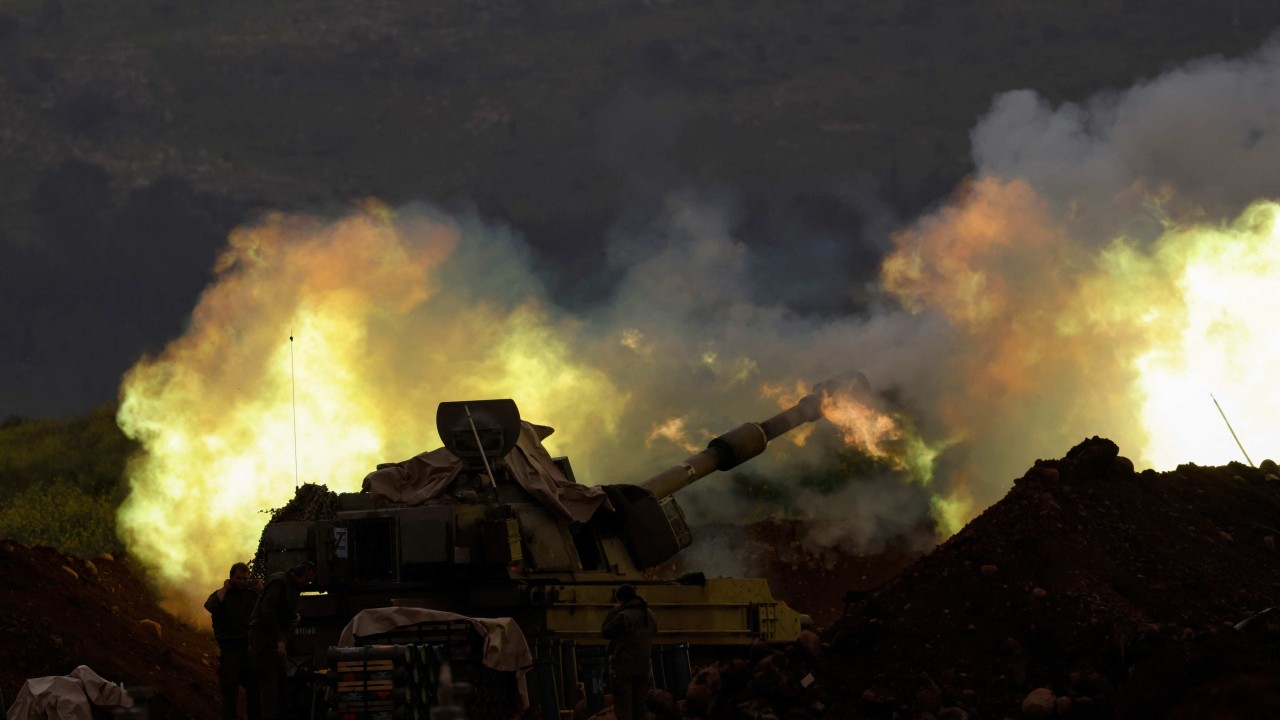
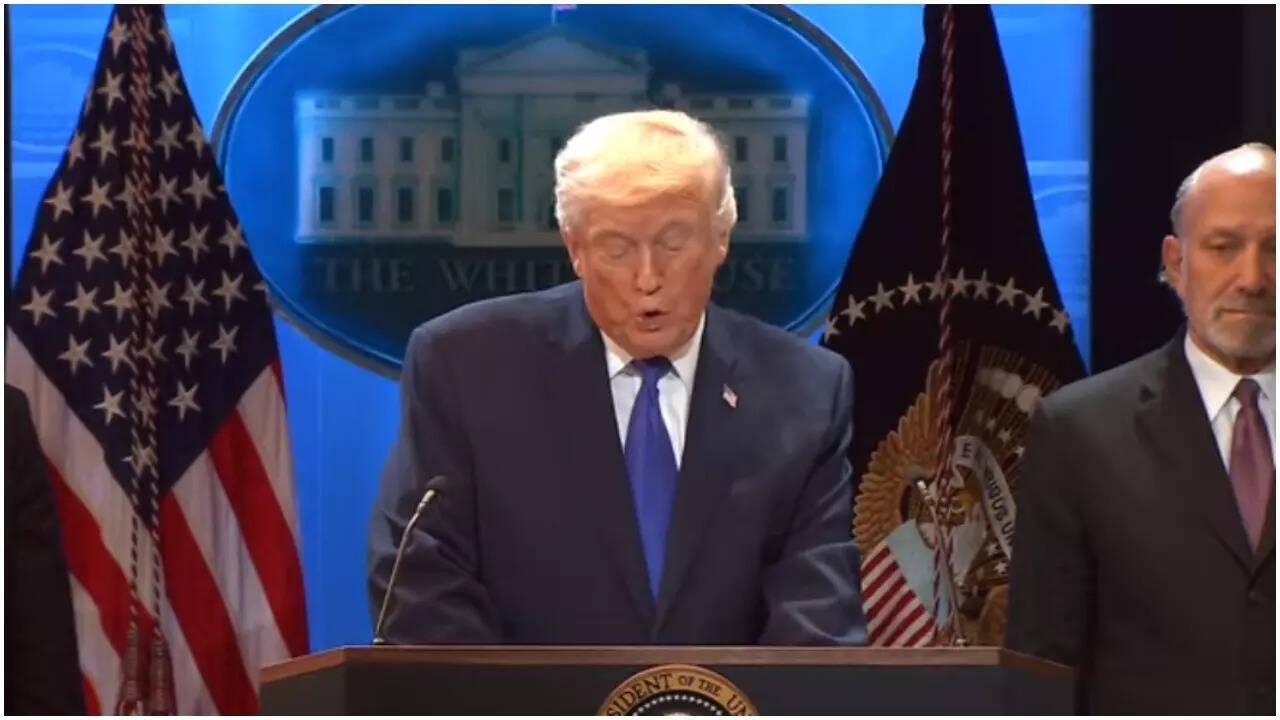
In a shocking turn of events, the administration of United States President Donald Trump has rejected attempts by Middle Eastern allies to facilitate diplomatic talks aimed at bringing an end to the ongoing war between the US, Israel, and Iran. According to sources close to the negotiations, the Trump administration has chosen to press ahead with its military assault, despite mounting civilian casualties and disruptions to global oil supplies.
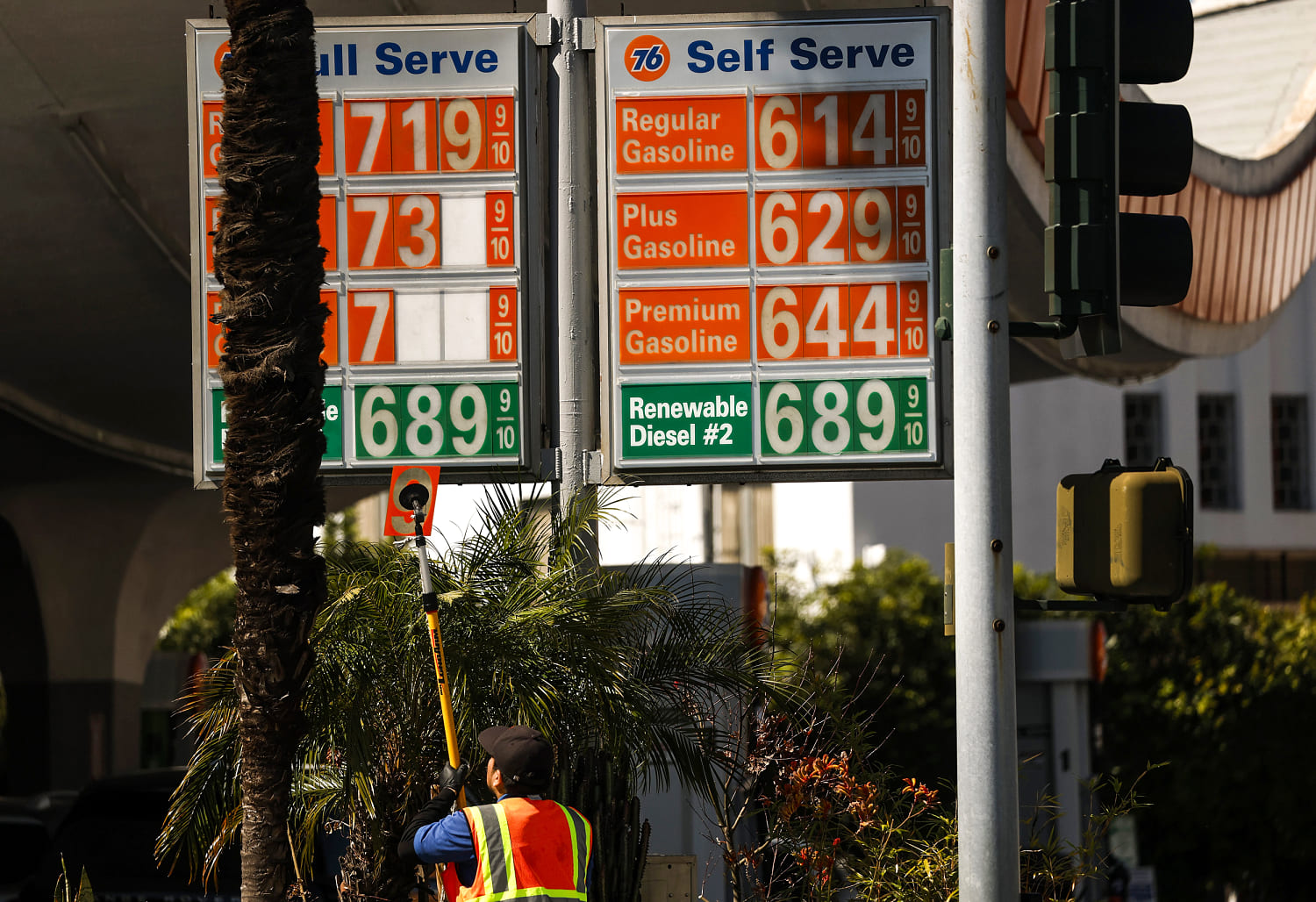
The conflict, which began two weeks ago with a massive US-Israeli air assault on Iran, has already claimed over 2,000 lives, mostly in Iran, and has led to the closure of the Strait of Hormuz, a critical waterway through which a fifth of the world's oil is transported. This has sent oil prices skyrocketing, causing economic headaches for countries around the world, including Nigeria.
The US administration's refusal to engage in diplomatic talks has raised concerns that the conflict may escalate further, with Iran's new Supreme Leader, Mojtaba Khamenei, vowing to keep the Strait of Hormuz shut and threatening to step up attacks on neighboring countries.
In the midst of this chaos, Oman, a key mediator in the region, has been trying to facilitate talks between the warring parties. However, the White House has made it clear that it is not interested in engaging in negotiations at this time, with a senior official stating that President Trump is "not interested" in talks and will continue to press ahead with the war to weaken Iran's military capabilities.
This development is particularly worrying for African countries, which rely heavily on imported oil to fuel their economies. As the conflict continues to escalate, it is likely that oil prices will remain high, putting pressure on African countries to find alternative energy sources or absorb the increased costs.
In Nigeria, where the economy is heavily reliant on oil exports, the impact of the conflict is likely to be felt deeply. With oil prices soaring, the country's revenue from oil exports may decline, exacerbating an already challenging economic environment.
The situation is further complicated by the fact that the conflict is unfolding in a region that is critical to global energy security. As the war drags on, it is clear that the stakes are high, and the consequences of the conflict will be felt far beyond the Middle East.
Source: Original Article • AI-enhanced version for clarity & Nigerian context
Related Stories