Iran war threatens to erase the economic bump from bigger tax refunds
**Iran War Threat: Will it Dampen the Economic Boost from Bigger Tax Refunds in Nigeria's Counterpart, the US?**
In the United States, tens of millions of people are eagerly anticipating the arrival of their tax refunds. The good news is that this year, they're expected to receive bigger refunds than in 2025, thanks to changes in the tax code.
According to the Internal Revenue Service (IRS), the average federal tax refund for U.S. households is already at $3,742, representing a 10.6% increase from last year. This influx of cash, which is often the biggest single-day cash flow for many Americans, can have a significant impact on the economy.
When consumers receive their tax refunds, many use the money to pay off debts, buy essential items, and boost their savings. This, in turn, can create a ripple effect across the economy. However, the recent conflict between the United States and Israel in Iran threatens to disrupt this economic momentum.
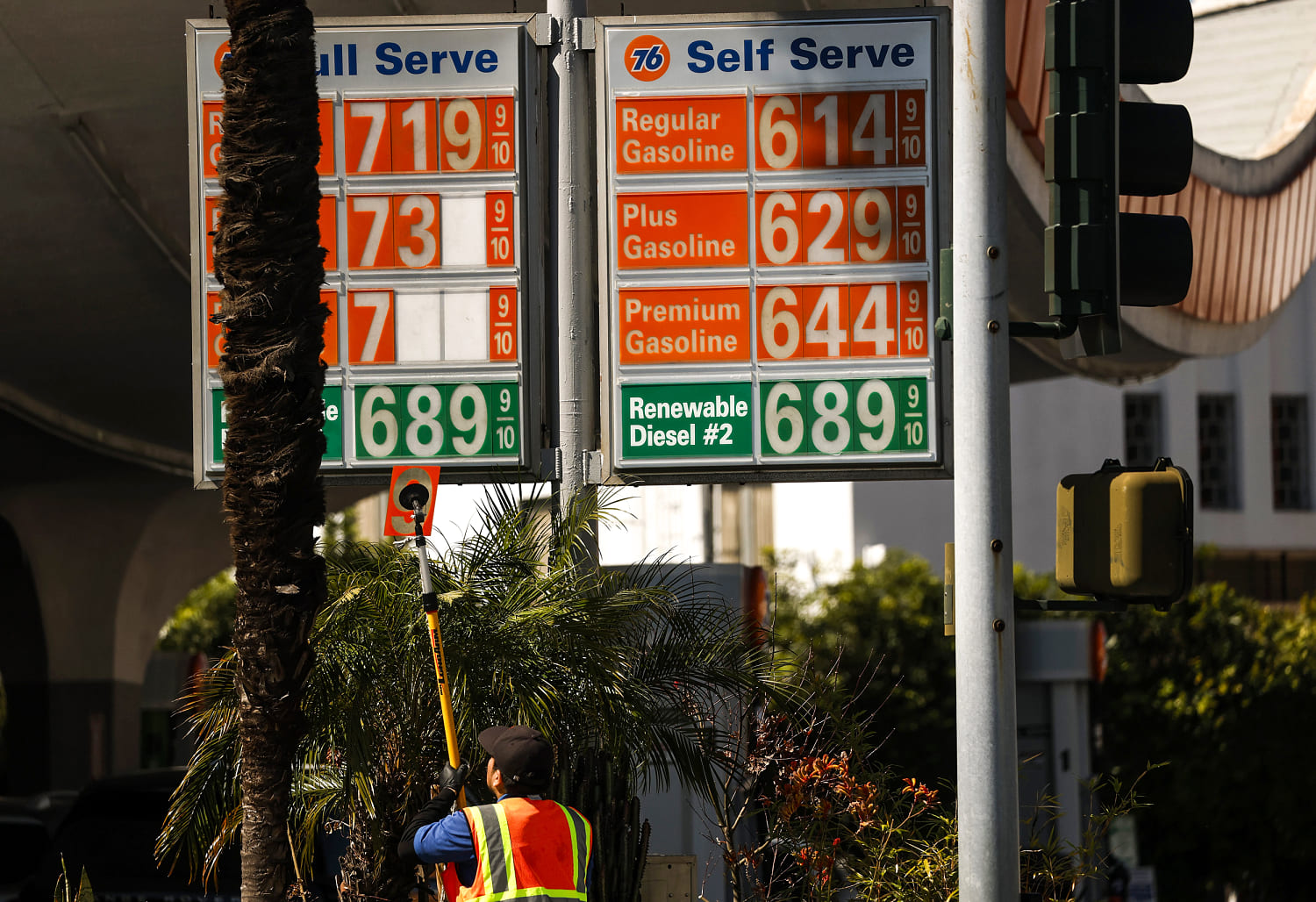
The war in Iran has led to a sharp increase in oil prices, causing gas and diesel prices to skyrocket. As of last week, the average cost of a gallon of unleaded gas in the U.S. was $3.64, a $0.72 increase from last month's average. This price hike has far-reaching consequences, affecting not just commuters but also grocery bills, shipping costs, and household expenses.
As Paul Dietrich, chief investment strategist at Wedbush Securities, notes, "When a war pushes oil up, it's not just a gasoline story. Gas prices have already jumped sharply, and diesel costs are rising too. That means higher costs for commuting, groceries, shipping, and basic household living."
The ripple effects of the war in Iran could further strain American households, which have been dealing with the aftermath of post-Covid inflation, tariffs, and rising debt. The economic pressure is already palpable, and the increase in energy costs could fan the flames of inflation.
As the world watches the situation unfold, one thing is clear: the economic impact of the U.S.-Israel conflict in Iran could potentially erase any potential boost to the economy that would have come from consumers spending their tax refunds. Only time will tell how this situation will play out, but one thing is certain – the ripple effects of this conflict will be felt far beyond the borders of the United States.
In a similar vein, Nigerians might be interested to know that the ongoing global economic challenges could have a ripple effect on the economy of our country. As the world navigates these uncertain times, it's essential for policymakers to keep a close eye on the situation and implement measures to mitigate the impact on local economies.
Source: Original Article • AI-enhanced version for clarity & Nigerian context
Related Stories