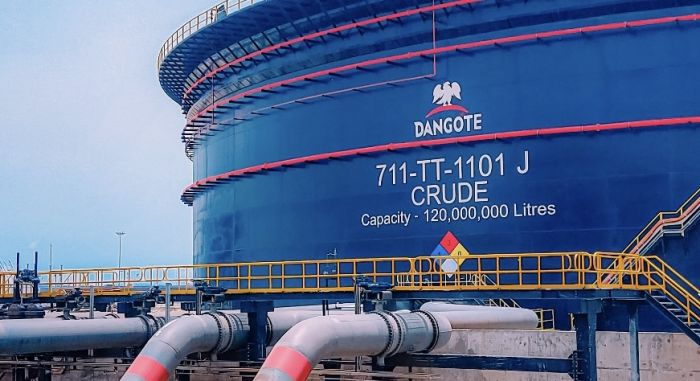
Dangote Petroleum Refinery has made a significant move in the Nigerian oil market by slashing its ex-gantry petrol price to N1,200 per litre. This reduction is a downward adjustment in its pricing structure, a development that could have far-reaching implications for the country's fuel pricing dynamics.
The new price of N1,200 per litre represents a decrease in the ex-gantry petrol price, which is the price at which the refinery sells petrol to marketers before taxes and other charges are added. This adjustment is particularly noteworthy given the current economic climate in Nigeria.
The coastal region is also expected to benefit from this reduction, with petrol prices set at N1,153 per litre. The impact of this move on the average Nigerian consumer remains to be seen, but it is likely to have a positive effect on the country's inflation rate and overall economic health.
The reduction in petrol price is a welcome development for the Nigerian economy, which has been grappling with high fuel prices in recent years. The move by Dangote Petroleum Refinery could lead to increased competition in the market, ultimately benefiting consumers.
The future of the Nigerian oil market is likely to be shaped by this development, with industry stakeholders and policymakers closely monitoring the impact of the price reduction.
The reduction in petrol price by Dangote Petroleum Refinery is a clear indication that the company is committed to making a positive impact on the Nigerian economy. However, the real test lies in whether this move will translate to lower prices at the pump for ordinary Nigerians. The country's fuel pricing dynamics are complex, and it remains to be seen whether this reduction will have a lasting impact on the average consumer. As the largest oil refinery in Africa, Dangote Petroleum Refinery's pricing structure has a significant influence on the country's fuel market. With this reduction, the company is sending a strong signal that it is willing to work with the government to make fuel more affordable for Nigerians. The real question now is whether this move will lead to a decrease in the price of petrol at the pump, and if so, what impact it will have on the country's economy.