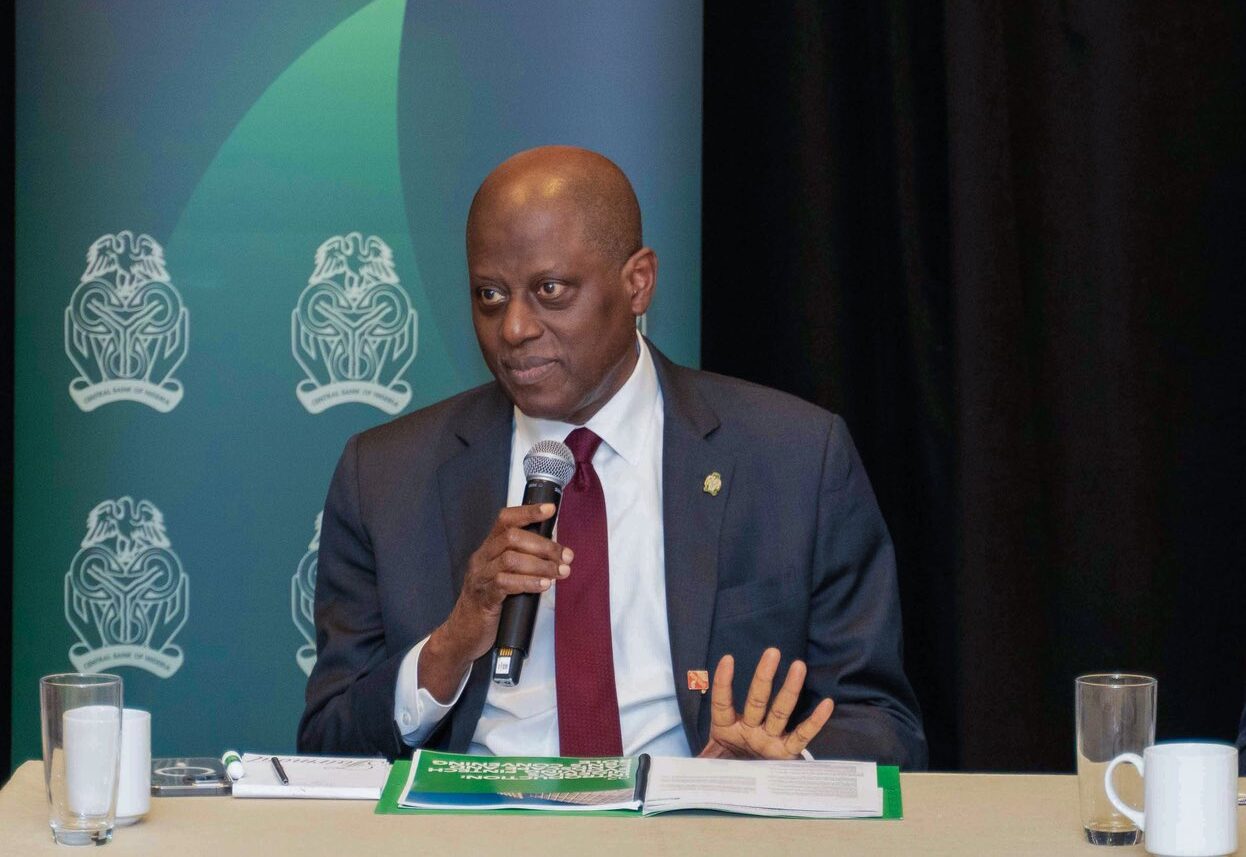
Nigeria's economy is facing a significant threat due to the ongoing conflict in the Middle East. Governor of the Central Bank of Nigeria (CBN), Olayemi Cardoso, has sounded the alarm on the potential risks to the country's economic stability.
The conflict, which has been escalating in recent times, has the potential to disrupt global oil prices, a major source of revenue for Nigeria. This, in turn, could have a ripple effect on the country's economy, leading to inflation, decreased purchasing power, and a decline in the value of the naira.
Cardoso's warning is a stark reminder of the interconnectedness of the global economy and the need for Nigeria to be vigilant in the face of external shocks. The country's reliance on oil exports makes it particularly susceptible to fluctuations in global oil prices.
The CBN Governor's warning is a clear indication that the country's economic policymakers are aware of the risks posed by the Middle East conflict. However, it is imperative that concrete steps are taken to mitigate these risks and ensure the country's economic stability. Nigeria's economy cannot afford to be held hostage by external factors, especially when there are clear policy implications that can be implemented to reduce its vulnerability. The government must take decisive action to diversify the economy and reduce its dependence on oil exports.