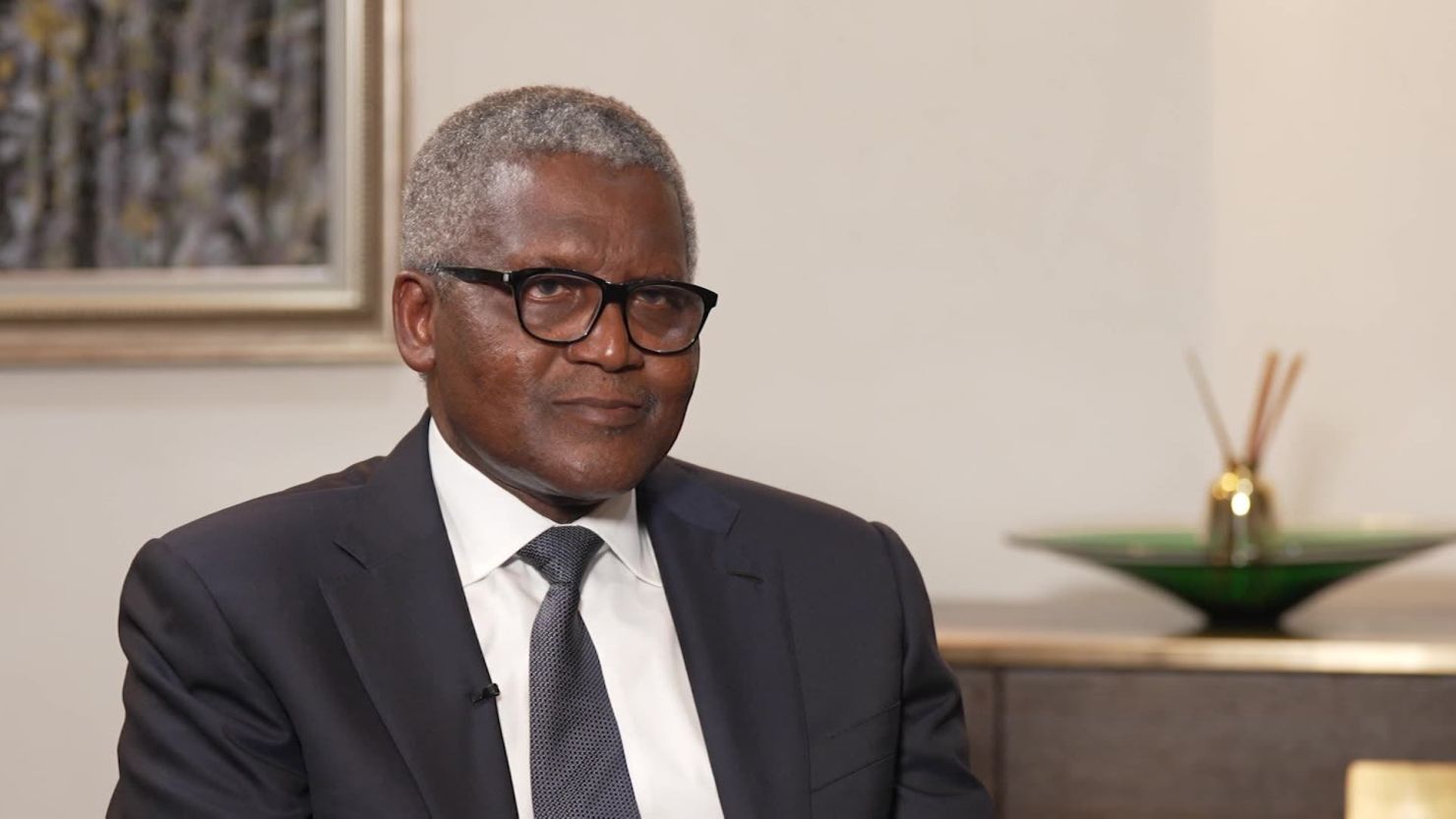
The Middle East crisis is unfolding with alarming speed, and its ripple effects are being felt across the globe. Aliko Dangote, the chairman of the Dangote Group, has expressed deep concern over the economic implications of oil price uncertainty. In a meeting with President Bola Ahmed Tinubu at his Lagos residence, Dangote called for international intervention to mitigate the crisis.
The situation has already led to a significant increase in fuel prices, affecting various energy sources in the country. In a bid to cope with the economic strain, Dangote suggested that Nigeria and other African countries might be forced to adopt a work-from-home policy, reminiscent of the COVID-19 era. This would be a drastic measure, but one that could help mitigate the economic pinch on ordinary Africans.
Dangote's comments come as Nigeria is still grappling with the aftermath of the COVID-19 pandemic. The country's small businesses and entrepreneurs, who rely heavily on energy and other resources, are likely to be the hardest hit by the crisis. The situation is dire, and it remains to be seen how governments will respond to the economic challenges posed by the Middle East crisis.
President Tinubu's recent state visit to the United Kingdom has yielded significant results, with a £746 million infrastructure agreement being signed. This is a major boost for Nigeria's economy, and it highlights the confidence that international investors have in the country's growth prospects. However, the Middle East crisis threatens to undermine these gains, and it is imperative that the government takes decisive action to mitigate its effects. The work-from-home policy suggested by Dangote is a stark reminder of the economic challenges that lie ahead, and it is crucial that the government implements measures to support small businesses and entrepreneurs who will be hardest hit by the crisis.