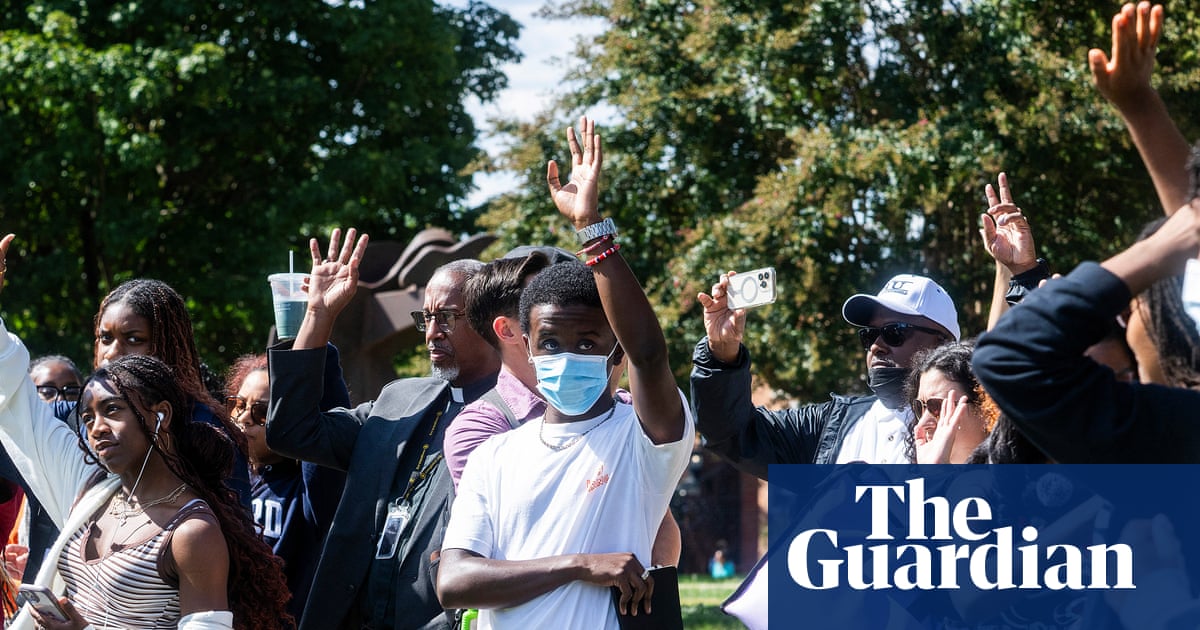
Attending historically Black colleges and universities (HBCUs) may have a positive impact on the cognitive outcomes of Black American students in the long term, according to a recent study. The study, which analyzed data from 1,978 Black American adults who attended college between 1940 and 1980, found that those who attended HBCUs had better memory and cognitive function at age 62 compared to those who attended predominantly white institutions.
The study's authors suggest that the collegiate environment may play a significant role in shaping long-term wellness. The study's findings are based on data from a time when racial segregation in schools was still prevalent, and the 1952 Brown v Board of Education ruling and the 1964 Civil Rights Act had a significant impact on schooling in the country.
The study's lead author, Dr Marilyn Thomas, notes that HBCU attendees had better cognition across different time periods, and that they were more likely to have mothers or female caregivers with a college education and to have reported being shown love and affection when growing up.
The study was published in the Jama Network Open last month and involved researchers from several top universities, including Rutgers University, the University of Alabama at Birmingham, Columbia University, Boston University, and Harvard University.
This study highlights the importance of HBCUs in providing a supportive environment for Black American students. The findings suggest that attending an HBCU can have long-term cognitive benefits for Black students, which is crucial for their academic and professional success.