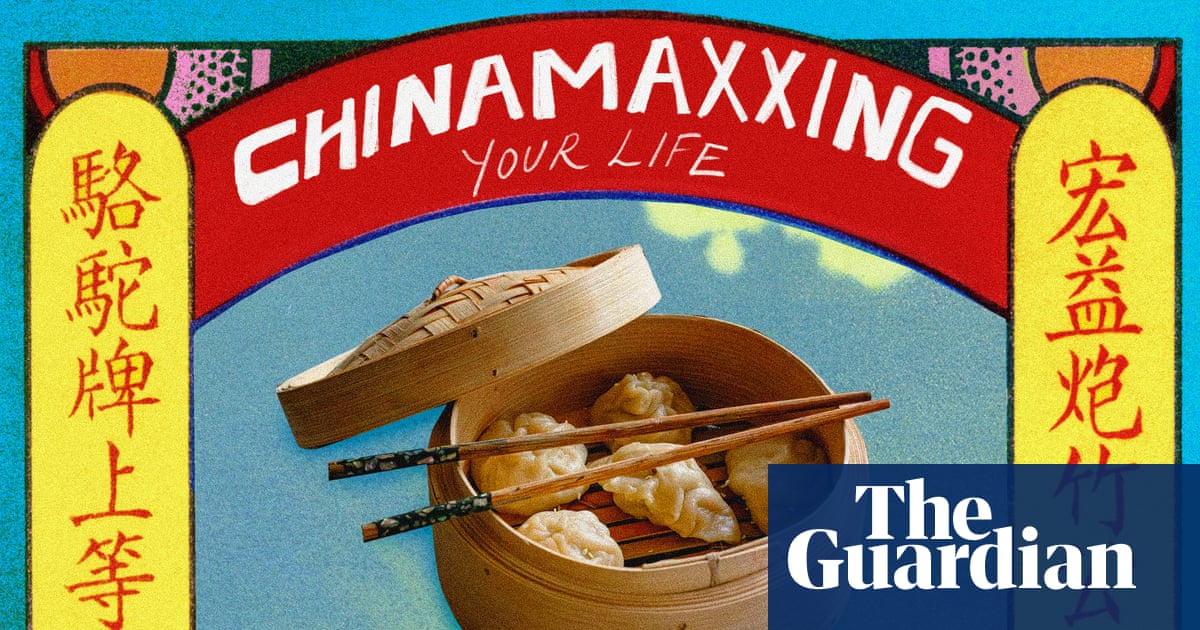
Chinamaxxing, a viral trend where non-Chinese individuals mimic aspects of Chinese culture, has left many within the Chinese diaspora feeling jarring and disrespected. The trend, which began to gain popularity on social media platforms such as TikTok and Instagram in mid-2025, involves activities like drinking hot water, wearing slippers, using chopsticks, and eating Chinese food. According to Michelle She, a London-based fashion label owner, people are trying to be more Chinese regardless of their heritage. However, this trend has been met with disdain from those within the Chinese diaspora, who feel that it reduces their culture to a series of superficial practices.
Experts say that the rise of Chinamaxxing is a response to cultural changes, including disillusionment with the west and an obsession with wellness. However, this trend has been criticized for its reductive and nonsensical portrayal of Chinese culture. Tingting Liu, a research fellow at the University of Technology Sydney, notes that what is spreading globally is not China in its full complexity, but fragments of everyday life.
For those within the Chinese diaspora, Chinamaxxing can be unsettling, particularly when non-Chinese creators share tips about holidays and traditions that they have never experienced. Jenny Lau, a British author, said that being told what to do for lunar new year felt like a direct challenge to her identity. Vanessa Li, a content creator based in Sydney, wonders whether a year from now, Chinese culture will be appreciated in the same way.
The Chinamaxxing trend raises important questions about cultural appropriation and the commodification of identity. By reducing Chinese culture to a series of superficial practices, non-Chinese individuals are not only disrespecting the culture but also erasing its complexity and history. As the trend continues to spread, it is essential to recognize the impact it has on those within the Chinese diaspora and to approach cultural exchange with sensitivity and respect.