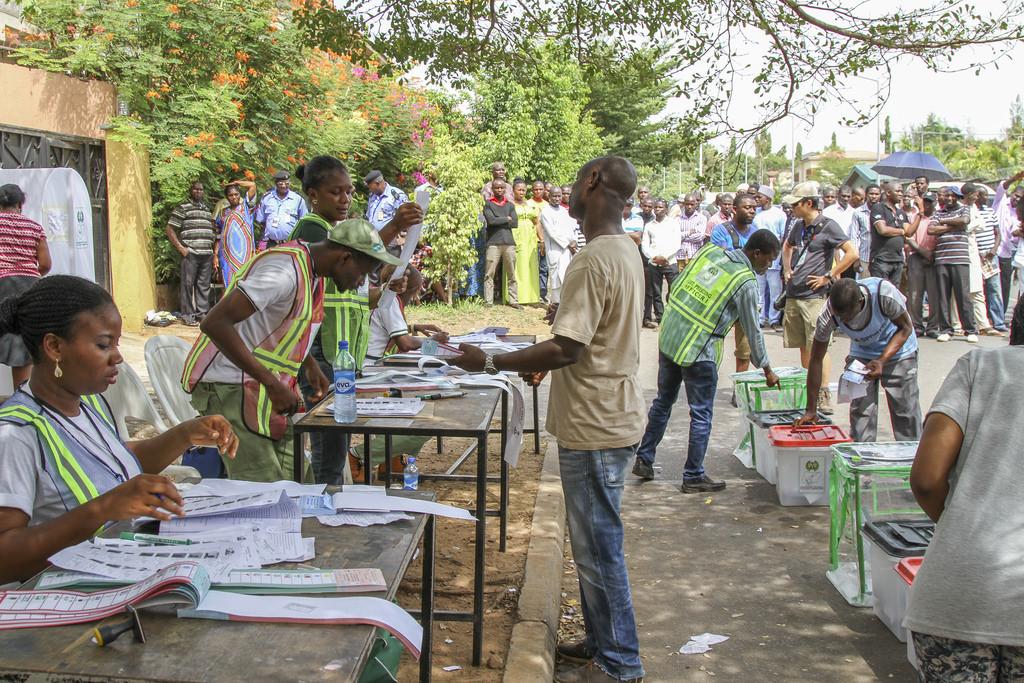
Declining Voter Turnout Threatens Nigeria's Democratic Governance
Nigeria's democratic governance is facing a serious threat due to the increasing voter apathy in the country. Experts warn that the lack of interest or motivation to participate in electoral processes is a major concern for the health of democracy and the legitimacy of electoral outcomes. A recent webinar organised by the Rule of Law Development Foundation in Abuja highlighted the issue, with experts arguing that declining voter turnout raises questions about the credibility and representativeness of elected governments.
The experts noted that Nigeria has witnessed a decline in voter turnout over successive elections, with actual participation not keeping pace with increasing voter registration figures. Voter turnout in general elections has steadily declined since 1999, with youth participation remaining disproportionately low despite constituting a large demographic. The causes of voter apathy include lack of confidence in electoral institutions, vote manipulation, and opaqueness, which have eroded trust in the system.
Experts also pointed to electoral violence and insecurity, widespread poverty and economic challenges, perceived ineffectiveness of voters, and difficulties with voting processes as contributing factors to voter apathy. They argued that the culpability of the political elite and the greed for votes and power add to the rising voter apathy.
The experts made some recommendations to improve the legitimacy of the electoral process, including enhancing transparency by electoral management bodies, investing in sustained civic education programmes targeting youths and first-time voters, and providing social services to address widespread poverty.
The Nigerian government must take immediate action to address the causes of voter apathy and ensure that the electoral process is transparent, inclusive, and representative of the people's interests.
The Nigerian government must acknowledge the severity of the voter apathy crisis and take concrete steps to address the underlying causes. Investing in sustained civic education programmes and enhancing transparency in the electoral process are crucial steps towards improving voter turnout and ensuring the legitimacy of electoral outcomes. The government must also address the root causes of poverty and economic challenges that are discouraging citizens from participating in the electoral process.