Ukraine's Energy Industry Takes a Hit, but Its Defenses Offer a Glimmer of Hope
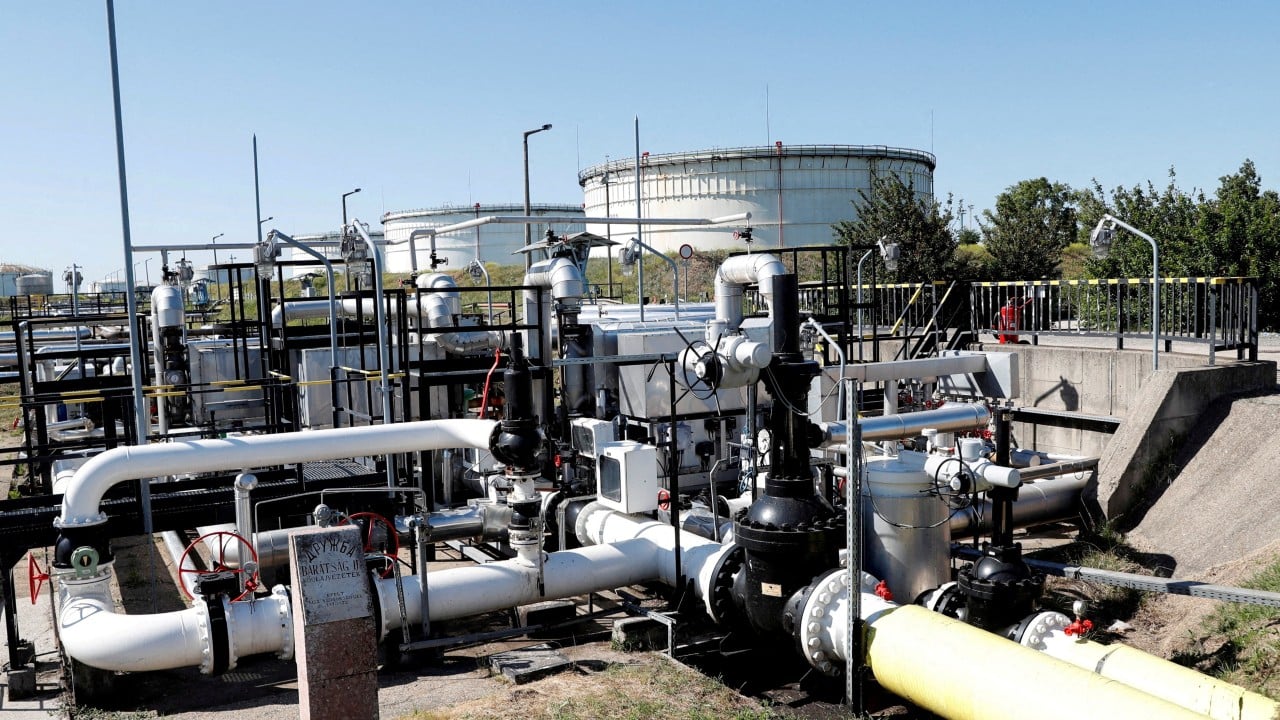
In a bid to safeguard its energy sector from aerial attacks, Ukraine has invested heavily in electronic jamming systems and interceptor drones. The country's national oil and gas company, Naftogaz, has reportedly developed a robust defense mechanism, which could serve as a blueprint for other nations facing similar threats. According to experts, Ukraine's unique approach to countering drone attacks has allowed the country to maintain a relatively stable energy supply, despite the ongoing conflict.
The use of electronic jamming systems has been instrumental in disrupting the signals of incoming drones, rendering them ineffective. Additionally, the deployment of interceptor drones has proven to be a game-changer, allowing Ukraine to neutralize threats before they reach their targets. As the global energy landscape continues to evolve, the lessons learned from Ukraine's experience may prove invaluable in the Middle East, where energy infrastructure is increasingly vulnerable to aerial attacks.
The international community is taking note of Ukraine's innovative approach to energy security, and it remains to be seen whether other nations will follow suit. With the threat of drone attacks growing in the Middle East, the need for effective countermeasures has never been more pressing.
The recent developments in Ukraine's energy sector highlight the urgent need for innovative solutions to counter the growing threat of drone attacks. The country's investment in electronic jamming systems and interceptor drones serves as a testament to the importance of proactive defense measures. As the global energy landscape continues to evolve, it is crucial that nations prioritize energy security and explore effective countermeasures to mitigate the risks associated with aerial attacks. The international community must come together to share knowledge and best practices in order to address this pressing issue.