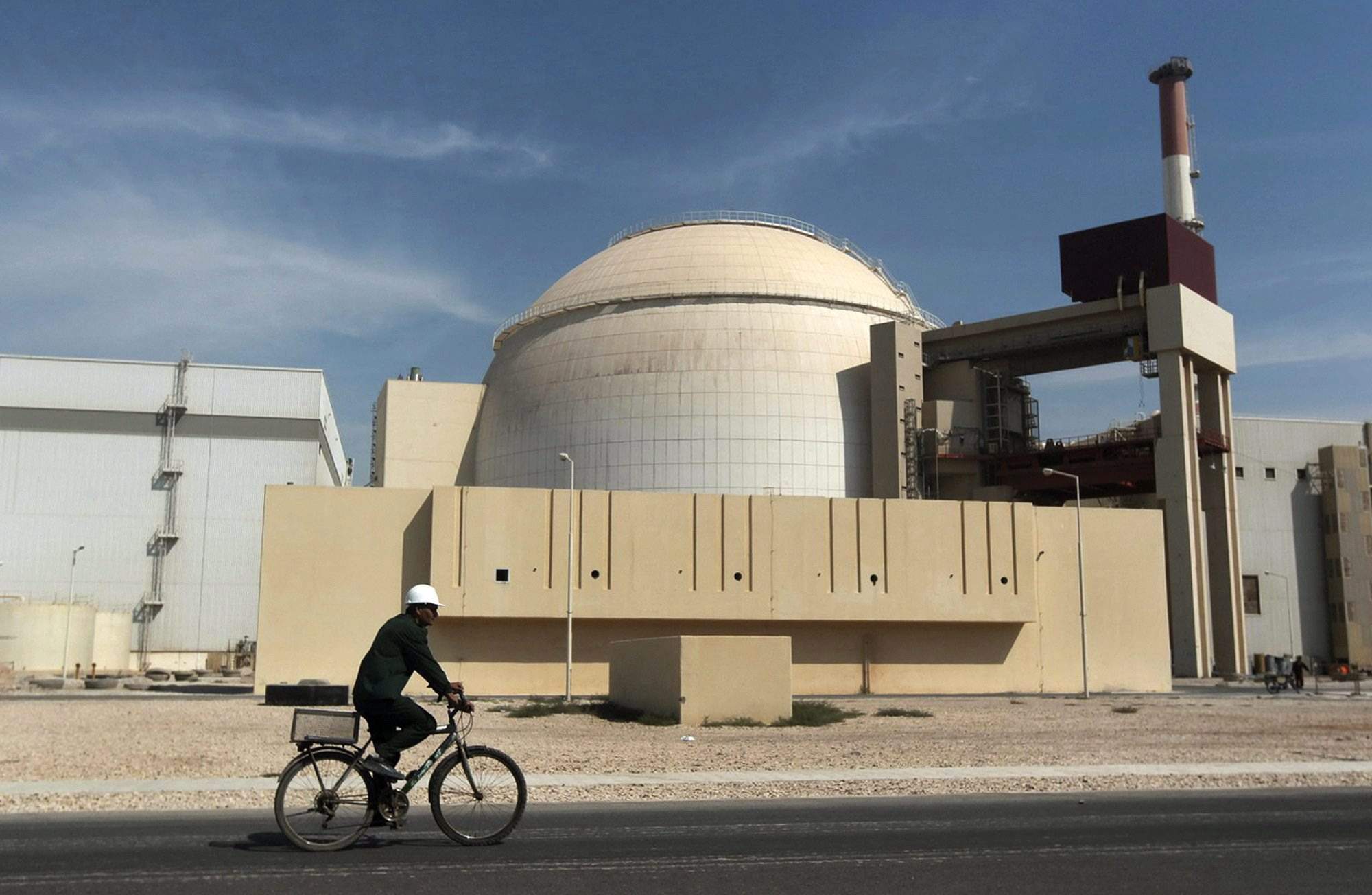
The United States has temporarily put on hold its threat to strike Iranian power plants, following a five-day ultimatum issued by President Donald Trump. The decision comes after Trump announced that the US would hold off on strikes, citing "very good and productive conversations" between the two nations. The reprieve was met with a graphic on Iranian state television proclaiming that the US had "backed down" following Iran's firm warning.
The talks between the US and Iran have been ongoing, with Iranian Foreign Minister Abbas Araghchi confirming that he had spoken with his Turkish counterpart, Hakan Fidan. Turkey has previously served as an intermediary in negotiations between Tehran and Washington. The negotiations aim to resolve the ongoing conflict, which has already resulted in over 2,000 deaths, a significant impact on the global economy, and a surge in oil prices. The war has also endangered some of the world's busiest air corridors.
A significant concern is the potential for catastrophic repercussions for civilians in the region, particularly if the US were to carry out its threat to strike power plants. This could lead to widespread power outages and disrupt the supply of drinking water to several desert nations. The consequences of any strikes on nuclear facilities are also a growing concern.
The international community is holding its breath as the US and Iran engage in a delicate dance of diplomacy. The temporary reprieve from strikes is a welcome development, but the underlying tensions remain. The potential consequences of any military action are dire, and it is imperative that both sides continue to engage in constructive dialogue to resolve this conflict peacefully. The global economy and regional stability hang in the balance, and it is crucial that all parties prioritize de-escalation and diplomacy.