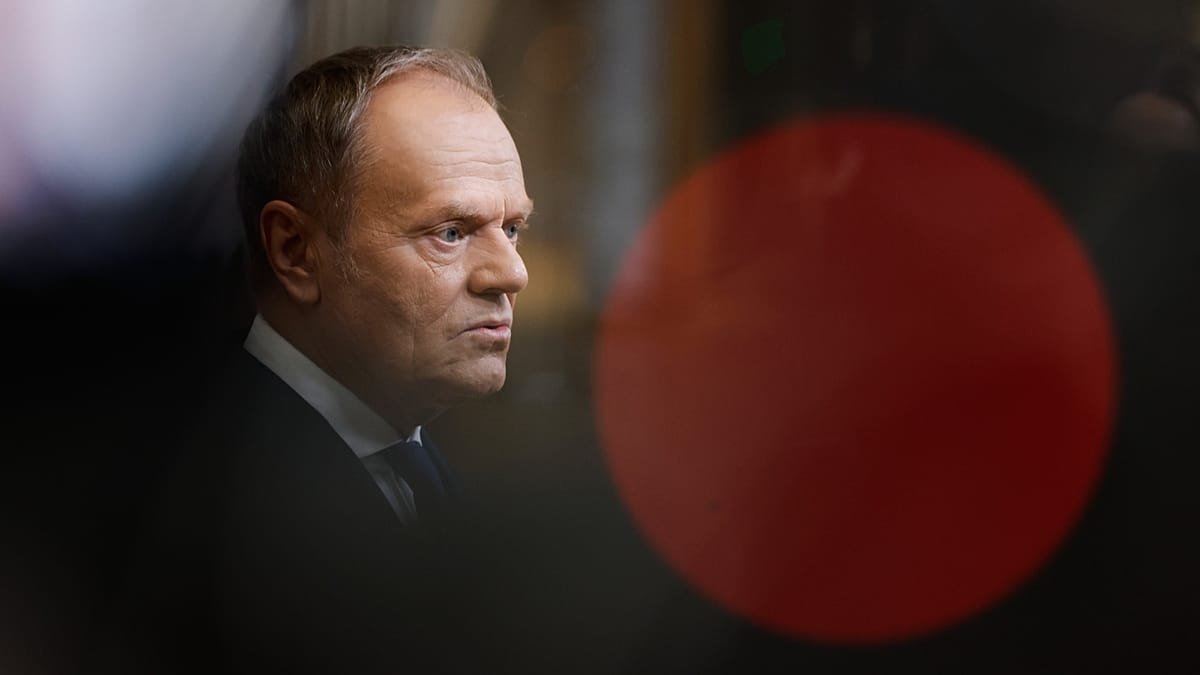
Hungary's Foreign Minister Accused of Spying for Russia
Reports have emerged that Hungarian Foreign Minister Péter Szijjártó has been secretly sharing information with his Russian counterpart, Sergey Lavrov, during European Union meetings. The allegations have sparked outrage among EU leaders, with Prime Minister Donald Tusk condemning the actions as a "disgrace." Tusk revealed that Lithuania had previously requested Hungary's exclusion from a 2019 NATO meeting due to concerns that the Hungarian delegation might pass classified information to Moscow.
Szijjártó initially dismissed the reports as "fake news," but later admitted to consulting with non-EU countries, including Russia, before or after ministerial meetings. This admission has raised further suspicions about Hungary's loyalty to the EU.
The issue has significant implications for EU security and trust among member states. As the EU continues to navigate complex international relations, the revelation of Hungary's alleged spying activities has created a sense of unease among its leaders. The EU must now take concrete steps to address these concerns and ensure the integrity of its decision-making processes.
The recent allegations against Hungary's Foreign Minister have exposed a deep-seated issue within the EU - the erosion of trust among member states. The EU must take immediate action to address this concern, including reviewing Hungary's participation in sensitive meetings and discussions. The EU's security and integrity depend on the loyalty and commitment of all its members, and Hungary's alleged actions have compromised this trust.