Tensions Escalate in the Middle East as Iran and US Engage in a War of Words
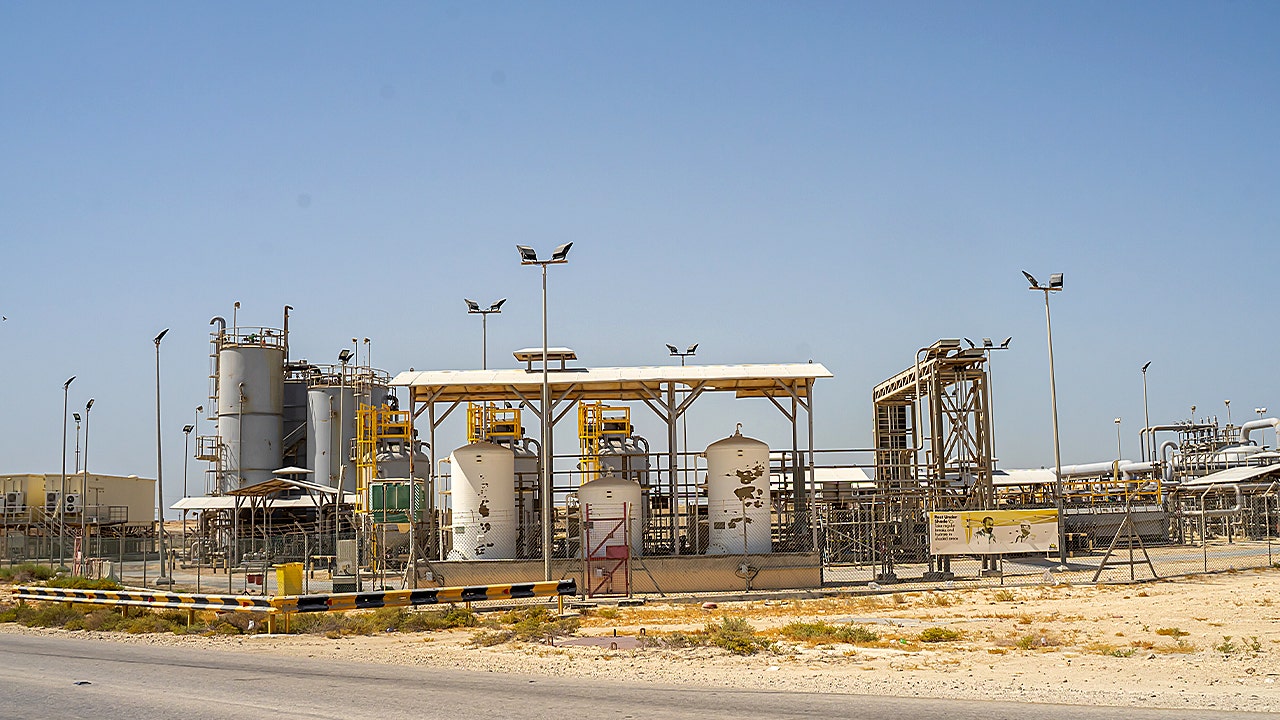
The situation in the Middle East continues to deteriorate, with Iran and the US locked in a high-stakes standoff over the Strait of Hormuz. The Strait, a critical waterway that connects the Persian Gulf to the Indian Ocean, has been a focal point of the conflict, with Iran's closure of the passage leading to a significant reduction in oil output from some of the world's largest producers. Iranian missiles struck two cities in Israel over the weekend, injuring dozens and causing widespread damage, while the US has threatened to destroy Iran's power plants if the Strait is not fully reopened within 48 hours.
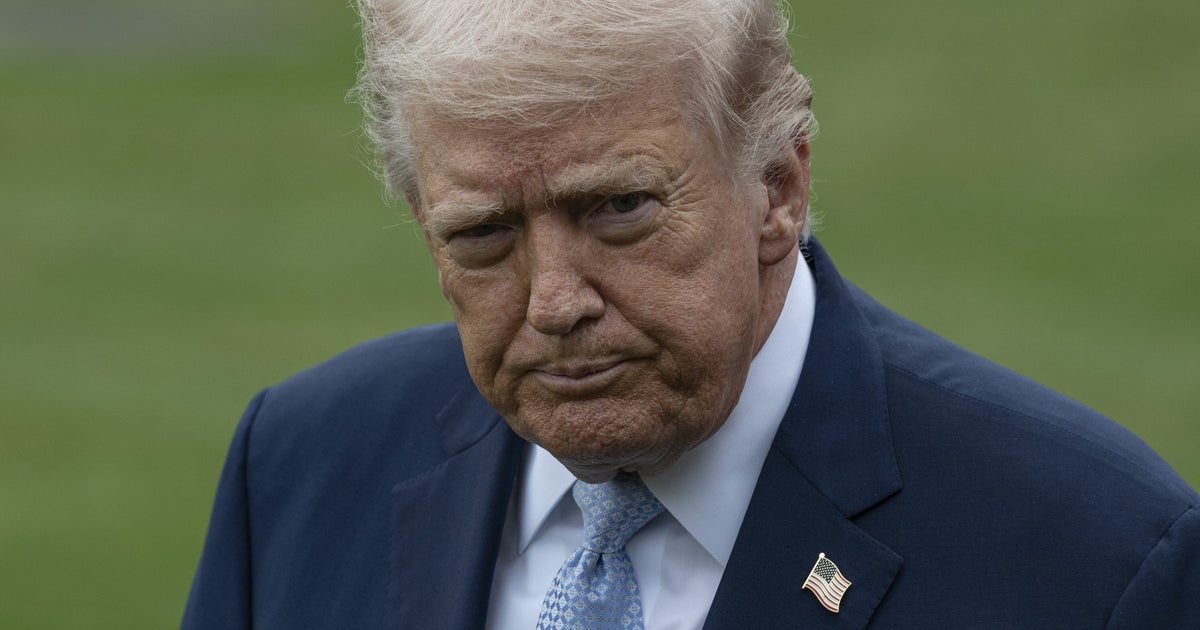
The US ultimatum, issued by President Donald Trump, has been met with a stern warning from Iran, which has vowed to retaliate against US and Israeli energy and infrastructure assets if its energy facilities are targeted. Iranian officials have also indicated that they will determine which vessels are allowed to pass through the Strait, effectively controlling access to the waterway.
The situation is further complicated by the involvement of other regional players, including Lebanon's Hezbollah group, which has launched attacks against Israeli targets. Israeli Prime Minister Benjamin Netanyahu has urged residents to take shelter during sirens, praising the fact that no one was killed in the latest strikes.
The global implications of the conflict are significant, with the Strait of Hormuz accounting for nearly 20% of the world's oil supply. If the situation continues to deteriorate, the impact on global oil prices and the economy could be severe.
The escalating tensions in the Middle East are a stark reminder of the fragile state of global security. The US and Iran's war of words over the Strait of Hormuz has the potential to destabilize the entire region, with far-reaching consequences for the global economy. The international community must come together to find a peaceful resolution to this crisis, before it's too late.