The US and UK have issued a joint call for the reopening of the Strait of Hormuz, a critical waterway in the Middle East, as tensions in the region continue to escalate. The Strait, which connects the Persian Gulf to the Gulf of Oman, is a vital shipping route for global oil supplies.
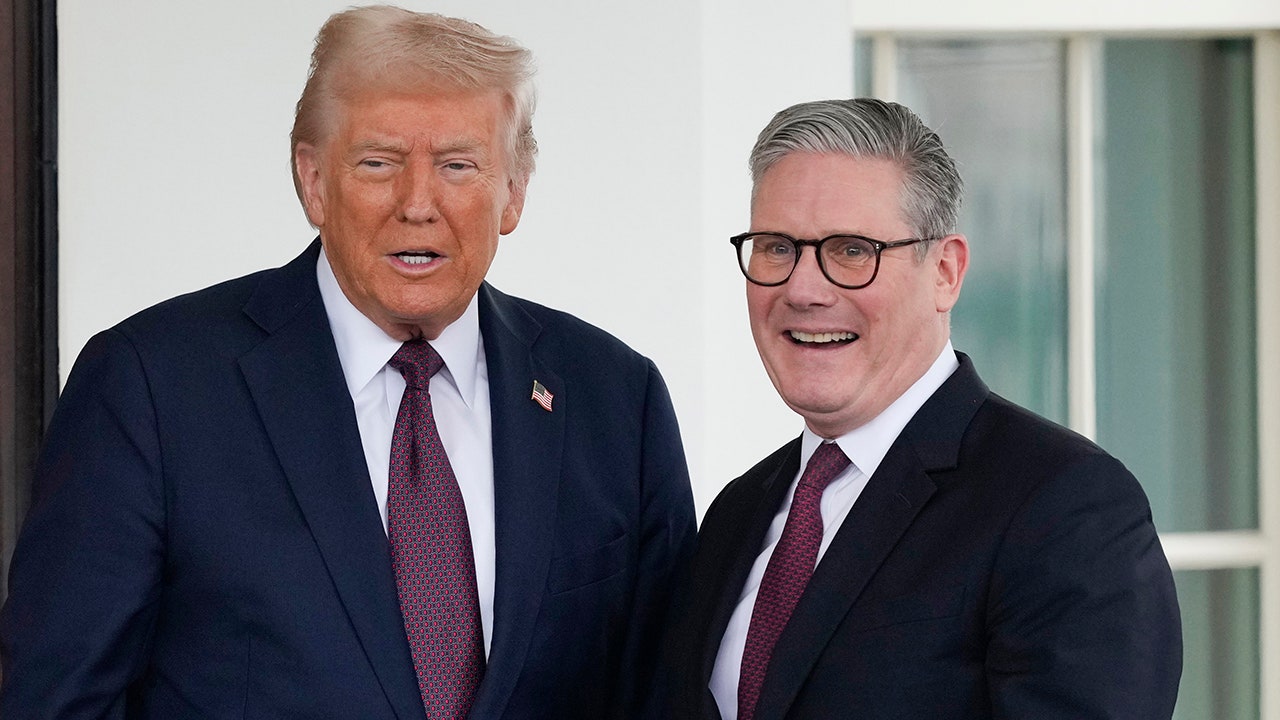
The call comes after a 48-hour ultimatum issued by US President Donald Trump to Iran, warning of further US strikes on Iranian energy infrastructure if the country fails to meet US demands. The ultimatum was echoed by UK Labour leader Keir Starmer, who expressed support for the US stance. According to reports, the two leaders spoke in a phone call, during which they discussed the escalating conflict in the Middle East.
The Strait of Hormuz is a crucial route for oil exports from the region, with around 20% of global oil supplies passing through it. The closure of the waterway would have significant economic implications for countries reliant on oil imports, including Nigeria, which is heavily reliant on imported oil. Nigeria's economy would likely be severely impacted if the Strait remains closed.
The international community is now waiting with bated breath to see how Iran will respond to the ultimatum. If Iran fails to comply, further military action is likely, which could have far-reaching consequences for global oil markets.
The Strait of Hormuz closure has the potential to send shockwaves through the global economy, with Nigeria being particularly vulnerable due to its reliance on imported oil. The US and UK's call for the waterway to reopen is a clear indication of the escalating tensions in the Middle East and the need for a swift resolution to the conflict. The international community must now work towards de-escalating the situation to prevent a catastrophic impact on global oil supplies.