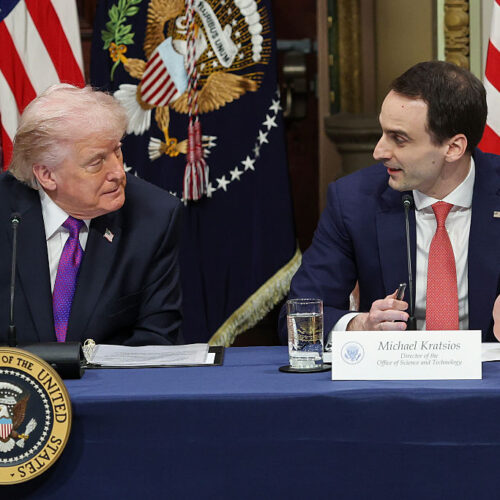
The Trump administration's science and technology advisory panel has been staffed with individuals from the tech industry, rather than experts from the scientific community. This development is significant because it raises concerns about the administration's commitment to evidence-based decision-making. The panel, known as PCAST, is responsible for providing advice on science and technology policy to the President.
The list of appointees includes several high-profile tech figures, including investor Marc Andreessen, Google's Sergey Brin, and Mark Zuckerberg of Meta. However, it's worth noting that many of the lesser-known appointees also have backgrounds in the tech industry. Only three of the new members have a background in academic research: Jacob DeWitte, Bob Mumgaard, and John Martinis. DeWitte and Mumgaard have PhDs from MIT and have founded companies focused on nuclear energy, while Martinis is a Nobel Prize winner in quantum physics.
The absence of scientists on the panel has sparked concerns about the administration's priorities. Critics argue that the panel's composition reflects the administration's hostility to science and its emphasis on industry interests. The nine unfilled vacancies on the council may yet be filled by scientists, but for now, the panel's focus on tech industry figures is a cause for concern.
💡 NaijaBuzz TakeThe Trump administration's staffing of PCAST with non-scientists is a worrying trend that could have far-reaching implications for evidence-based decision-making in the US. In Nigeria, where tech startups like Paystack and Flutterwave are driving innovation, it's essential that policymakers prioritize science and evidence when making decisions about technology policy. The absence of scientists on PCAST sends a concerning message about the administration's commitment to scientific inquiry and expertise. This development should serve as a reminder of the importance of separating science from politics in policy-making.