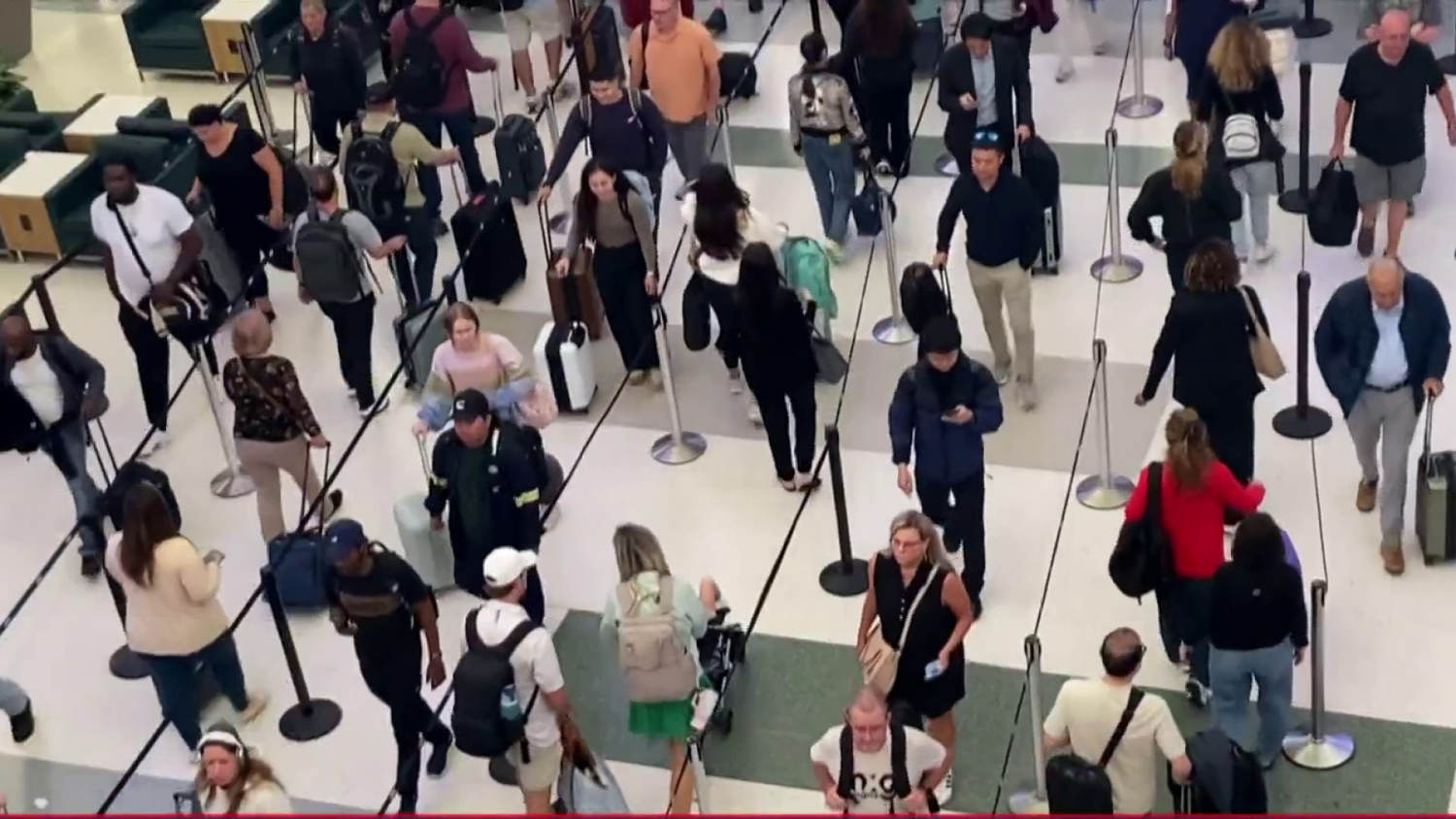
Long lines at US airports have become a norm due to a shortage of Transportation Security Administration (TSA) workers. The staff has been working without pay for 41 days, with approximately 11% of officers calling in sick daily. This has resulted in a significant increase in wait times for passengers at airports across the country.
The situation has been exacerbated by the partial shutdown of the Department of Homeland Security. Key stakeholders have been at odds over funding for the department, leading to the prolonged absence of pay for TSA workers. The situation has sparked widespread criticism of the government's handling of the shutdown.
The US is a major destination for international travel, with many Nigerian and African travelers passing through its airports. The impact of the TSA worker shortage is therefore not limited to the US, but also affects travelers from around the world.
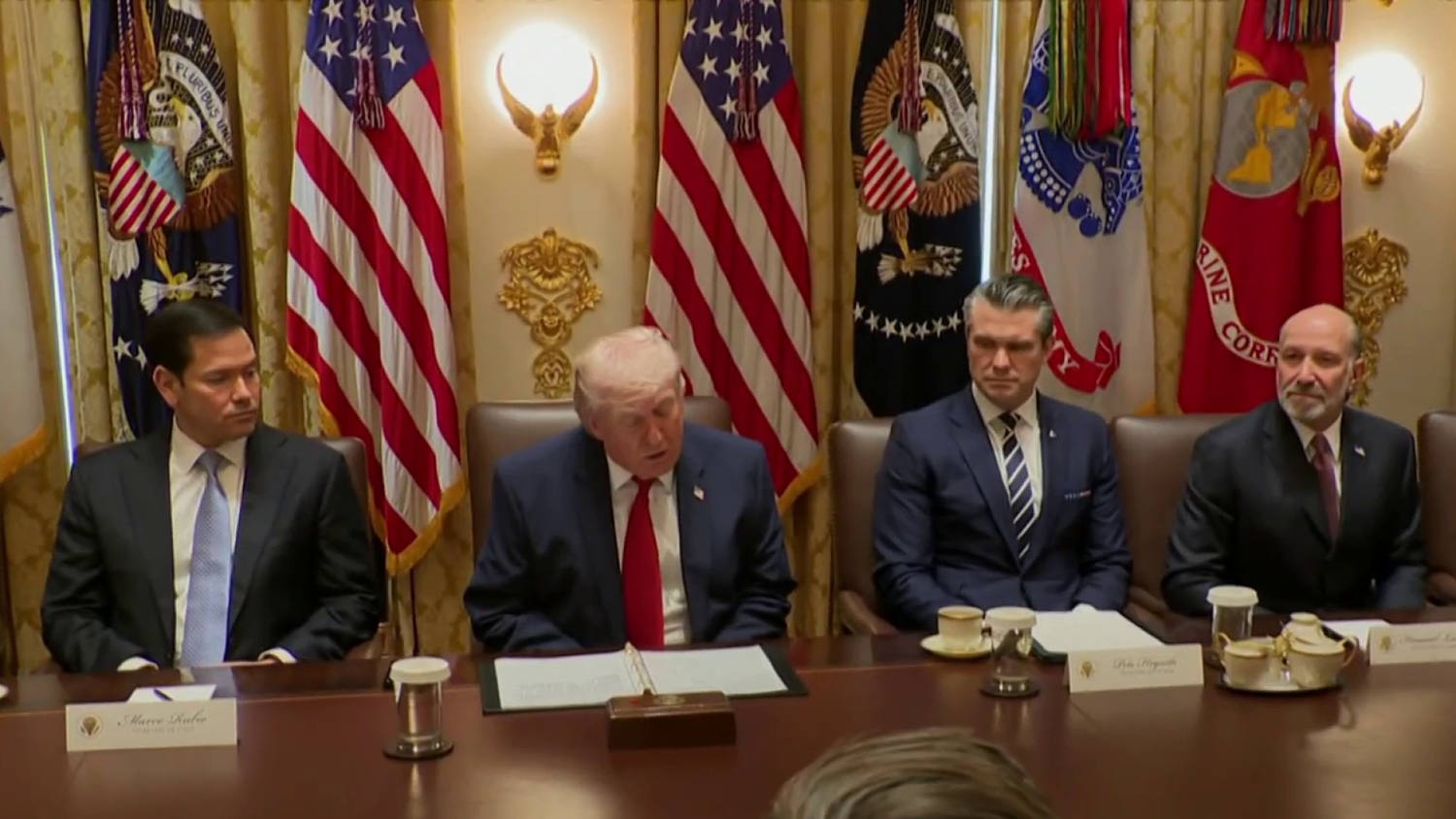
President Trump has announced plans to sign an executive order to pay TSA workers. However, it remains to be seen whether this will be enough to address the root causes of the problem.
The Trump administration's handling of the TSA worker shortage is a stark reminder of the consequences of political brinksmanship. The decision to keep TSA workers unpaid for 41 days has led to a crisis at US airports, affecting not just American citizens but also international travelers. The fact that President Trump is now intervening with an executive order raises questions about the efficacy of his administration's crisis management.