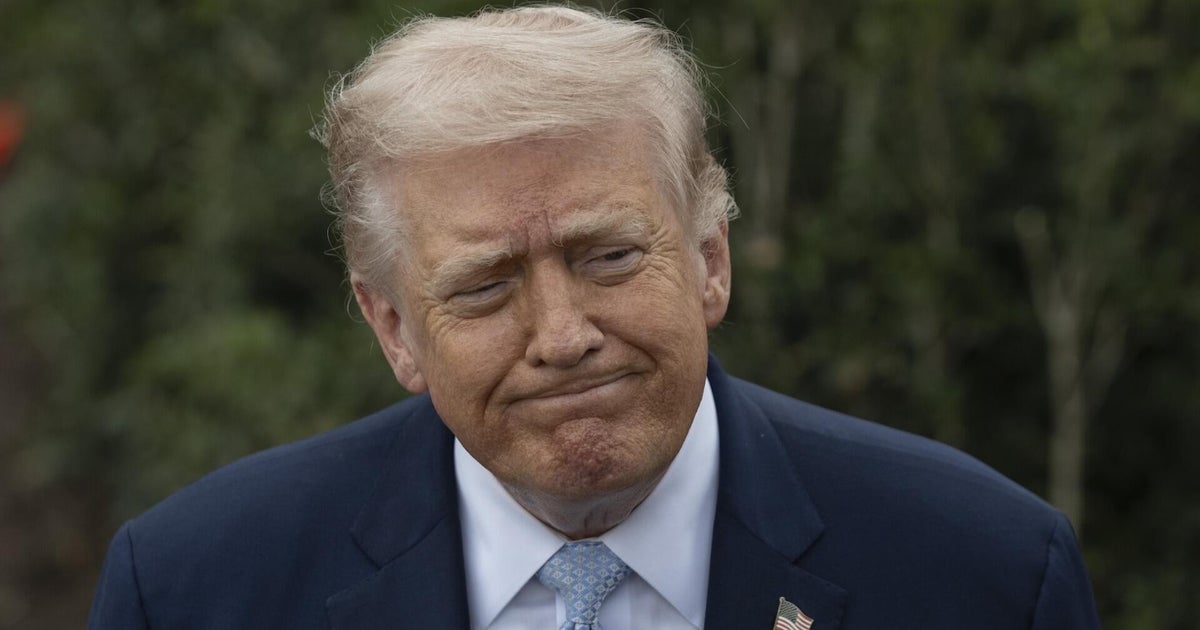
President Trump has delayed his threat to target Iran's civilian power plants following the ongoing conflict in the region.
The escalation in tensions began with Iran's retaliation against a US drone strike that killed top Iranian military commander Qasem Soleimani in January. Since then, Iran has launched numerous attacks on US and Israeli targets, prompting a series of strikes from Israel in response. The situation has raised concerns about the potential for further escalation and the impact on regional stability.
The Strait of Hormuz, a critical waterway through which a significant portion of the world's oil supply passes, has been a focal point of the conflict. Iran's closure of the strait in response to US sanctions has had far-reaching consequences for global oil markets, with prices rising significantly in recent months.
As the situation continues to unfold, international leaders are watching closely to see how events will play out. The potential for further military action remains a pressing concern, with the risk of civilian casualties and destabilization in the region.
||| The recent postponement of President Trump's threat to attack Iran's power plants is a welcome development, but it does not necessarily signal a long-term de-escalation of tensions in the region. NaijaBuzz urges caution and restraint from all parties involved, as the situation remains volatile and the potential for further conflict remains high.