The United States is reportedly considering a ground invasion of Iran's Kharg Island, a move that has sparked concerns about the potential risks and consequences.
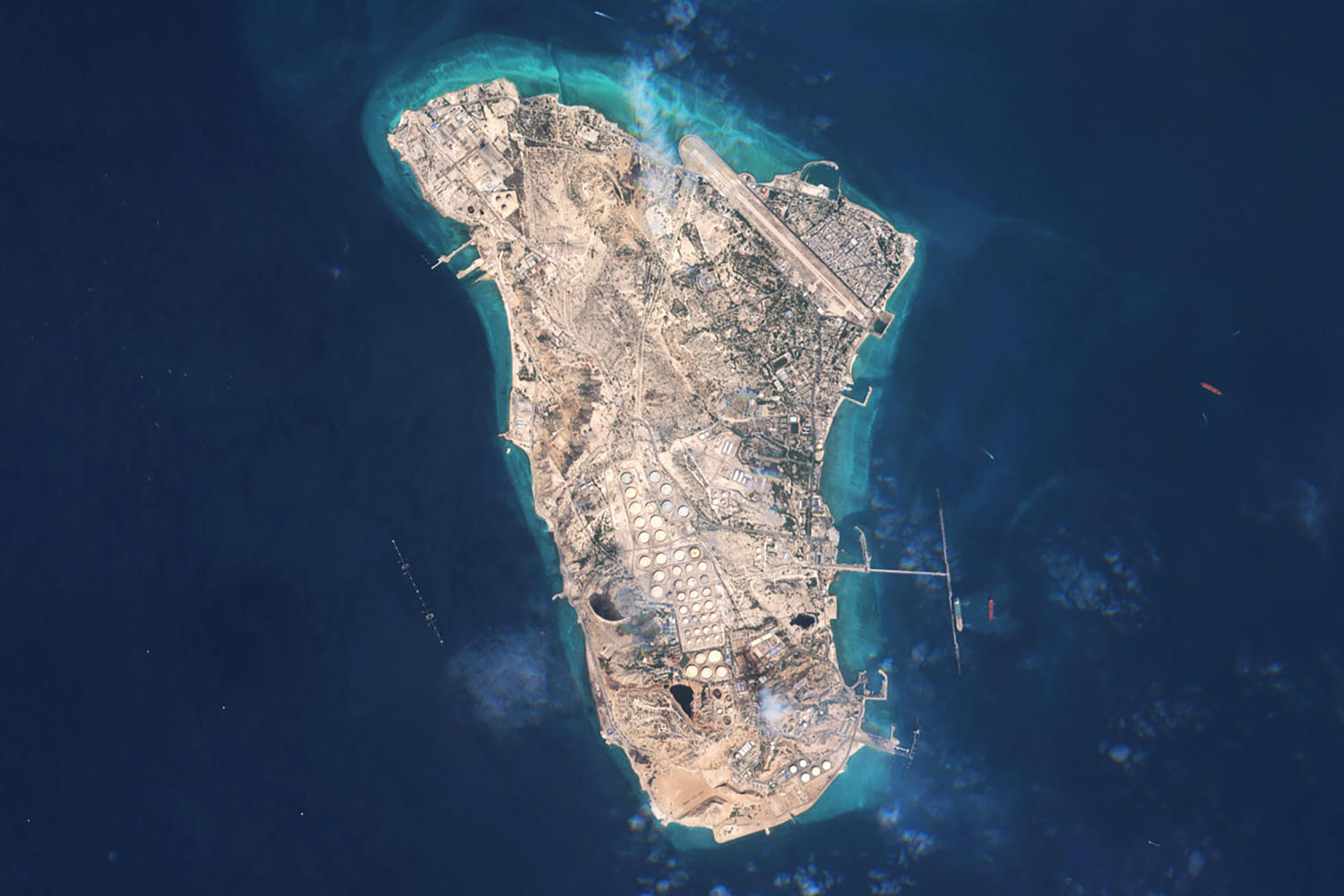
The island, which is home to a major oil facility and serves as a crucial hub for Iran's oil exports, has been the target of US airstrikes in the past. However, a ground invasion would be a far more complex and risky operation, according to expert observers. The US has not specified its intentions for the island, but some analysts believe that a ground invasion could be used to secure the Strait of Hormuz or blockade the island, rather than invading it.
Kharg Island is a strategic location for Iran's oil industry, accounting for the majority of the country's crude production. The island's oil facility is one of the largest in the region, with a capacity to store 17 million barrels of oil. The island is also home to a significant population of oil workers and their families, with estimates suggesting that there are at least 8,000 residents.
The potential risks of a ground invasion are significant, with some analysts warning that it could lead to a wider conflict and destabilize the region. The White House has not commented on the concerns, but experts say that a military success is by no means guaranteed, and that the real risk is that the situation could spiral out of control.
In Africa, the potential impact of a conflict in the region could have far-reaching consequences for global oil prices and the economies of countries that rely heavily on imported oil. Nigeria, for example, is a major oil producer and exporter, and any disruption to global oil supplies could have significant implications for the country's economy.
The international community is watching the situation closely, with many countries calling for a peaceful resolution to the conflict. The United Nations has urged restraint and called for diplomatic efforts to resolve the crisis.
NaijaBuzz views the potential US invasion of Kharg Island as a reckless and ill-conceived move that could have far-reaching consequences for global stability. The risks of a wider conflict and destabilization of the region are too great, and the potential benefits of such an operation are unclear. The international community must come together to urge restraint and promote a peaceful resolution to the crisis. The global economy, including Nigeria's, stands to lose from any disruption to oil supplies, and it is imperative that all parties work towards a peaceful resolution.