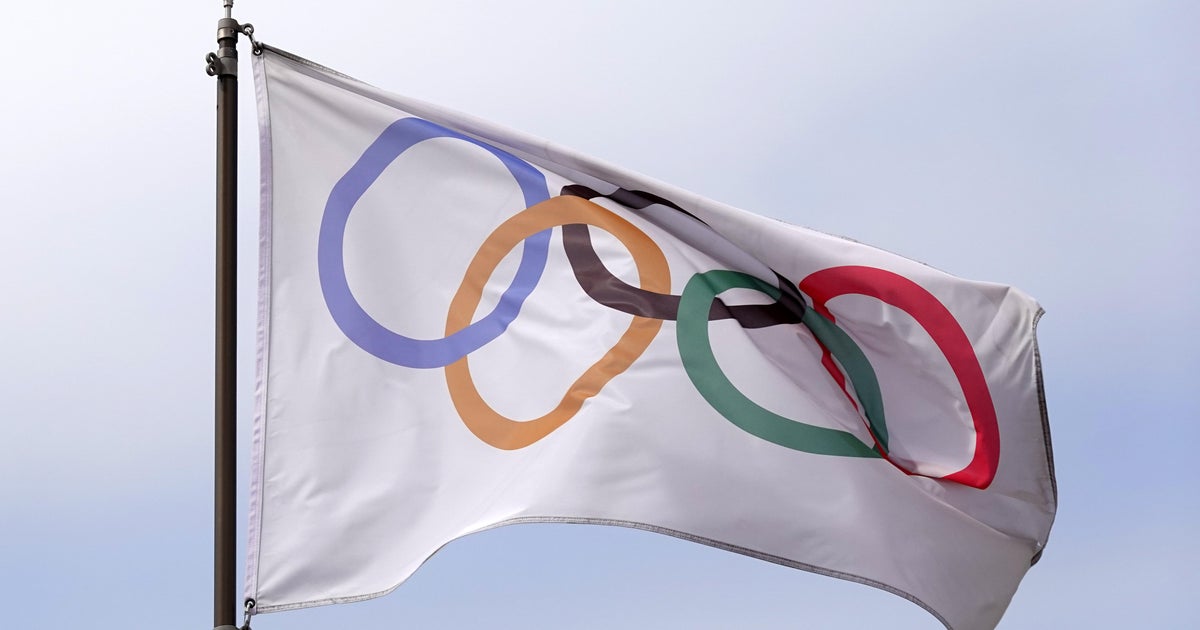
The International Olympic Committee has introduced a new policy that bans transgender women athletes from competing in women's events at the Olympics. The policy, set to take effect from the 2028 Los Angeles Games, requires athletes to undergo a mandatory gene test to determine their biological sex. This move is aimed at protecting fairness, safety, and integrity in women's categories.
The new policy restricts female athletes with medical conditions known as differences in sex development, or DSD, including two-time Olympic champion runner Caster Semenya. This decision comes after an executive board meeting, where the IOC published a 10-page policy document outlining the new guidelines. IOC President Kirsty Coventry stated that it would not be fair for biological males to compete in the female category, given the small margins that often determine victory and defeat in Olympic events.
The policy change is a significant shift in the Olympic Committee's stance on transgender athletes. The IOC had previously allowed individual sports governing bodies to draft their own rules on transgender participation. However, this new policy sets a clear and uniform standard for all Olympic events.
The policy does not apply to grassroots or recreational sports programs, and it is not retroactive. This means that athletes who have already competed in women's events will not be affected by the new policy. The IOC aims to protect the rights of all athletes, while also ensuring fairness and safety in women's competitions.
IOC President Kirsty Coventry has been a strong advocate for a clear policy on female eligibility. She set up a review of protecting the female category as one of her first major decisions as IOC President. The new policy reflects her commitment to ensuring that women's competitions remain fair and safe for all participants.
that this policy will have far-reaching implications for Nigerian athletes, particularly those in track and field events. Caster Semenya, a two-time Olympic champion, is a prominent figure in women's athletics, and her exclusion from women's events will be a significant blow to her career. The policy change also raises questions about the future of transgender athletes in Nigeria and Africa, where sports are becoming increasingly popular.