Iran's Nuclear Capabilities and the US Conflict
The US is embroiled in a contentious conflict with Iran, with the country's nuclear capabilities at the center of the debate. A recent testimony by the Director of National Intelligence sparked concern, with some officials suggesting that Iran may not possess an ICBM capable of carrying a nuclear warhead until 2035. However, Israeli officials have disputed this claim, stating that a recent missile fired at a US and UK base was an ICBM.
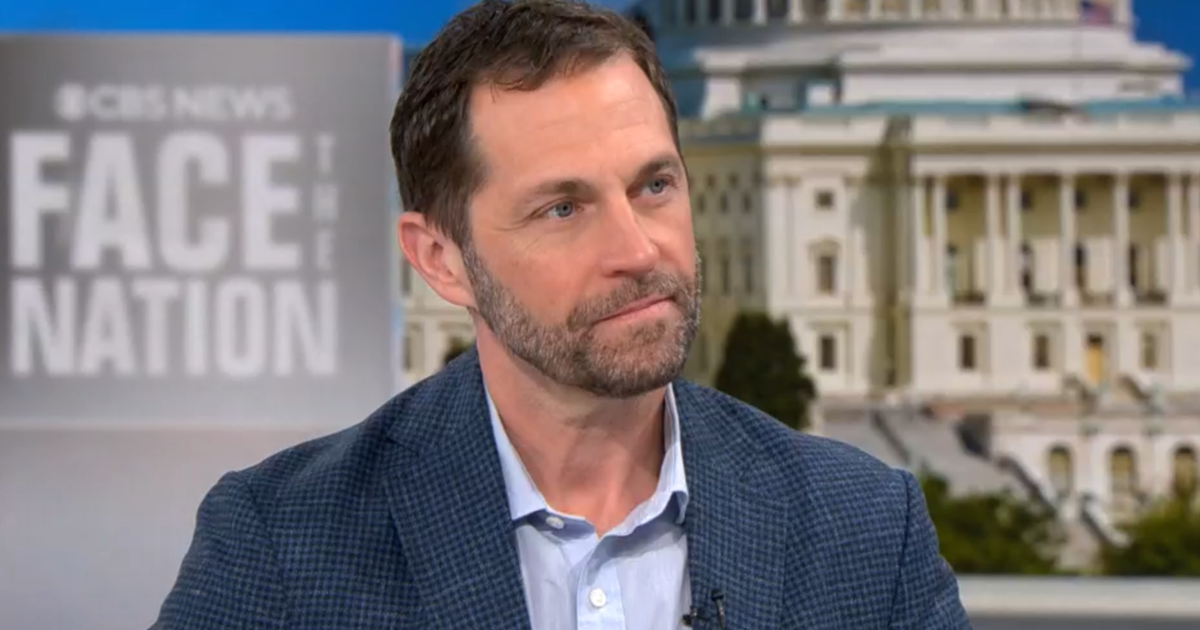
Colorado Democratic Congressman Jason Crow has expressed concerns about the US's strategy in the conflict, arguing that the country's actions are having far-reaching consequences. He notes that the US has spent $20 billion in the first two weeks of the war, with Americans paying an extra $300 million daily in energy prices. The Congressman also highlights the growing terror threat against the US and Americans, stating that there is no clear end-game or strategy in place.
The Congressman's comments come as the US Congress remains sidelined in the conflict, with the administration having started the war without their authorization. This has led to concerns about the lack of transparency and the American people's involvement in the decision-making process. As the conflict continues to escalate, questions are being raised about the US's long-term goals and the impact of its actions on the global stage.
Congressman Crow's words serve as a stark reminder of the complexities and challenges involved in the US's dealings with Iran. The situation highlights the need for clear communication and strategic planning to ensure that the US's actions align with its values and goals.
The US's handling of the Iran conflict raises serious concerns about the country's ability to navigate complex global issues. Congressman Crow's comments highlight the need for transparency and Congressional involvement in the decision-making process. As the conflict continues to unfold, it is essential for the US to establish a clear strategy and end-game to avoid further destabilization of the region and the global community.