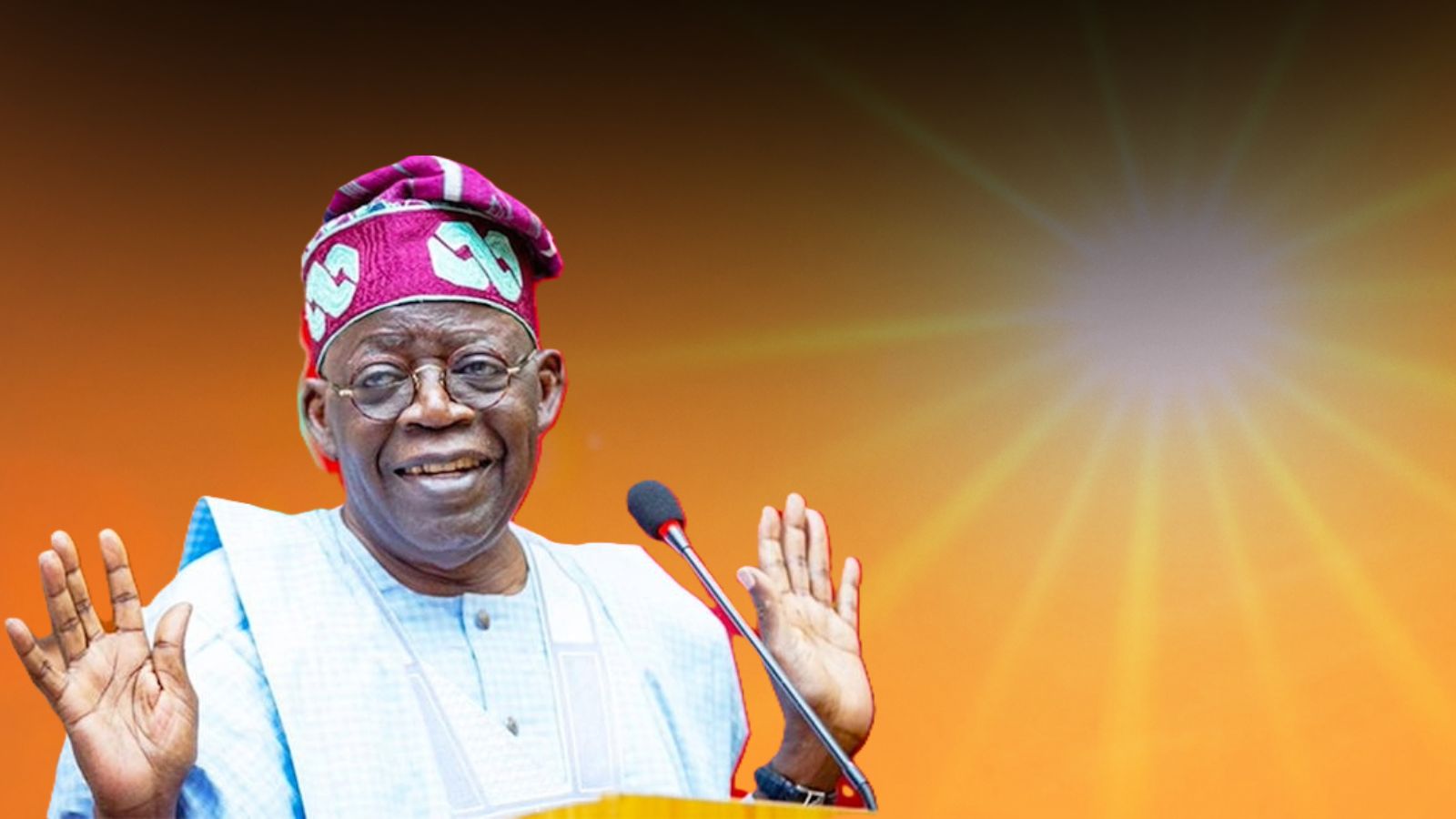
Nigerians are facing a sweltering heatwave without a respite, and it's not just the sun beating down on them. The government's inaction has left the country without electricity, making it a perfect storm of high temperatures and power outages. The Tinubu administration seems to be turning a blind eye to the suffering of its citizens.
The Nigerian Meteorological Agency (NiMet) issued a heat stress warning on March 10, 2026, cautioning that temperatures are rising across the country and posing a significant risk to public health. Heat stress can lead to severe symptoms, including heat rash, cramps, fainting, and even death if not treated promptly. NiMet's advice to drink plenty of water and seek air-conditioned spaces is easier said than done, given the power crisis plaguing the country.
The debt chain is a major contributor to the power crisis, with the federal government owing Electricity Generating Companies (Gencos) about ₦6.8 trillion. This has resulted in 16 of the 33 power plants being shut down, leaving the national grid with an installed capacity of 13,625 megawatts but only managing 4,102 megawatts in February 2026. The situation is further exacerbated by the war in the Middle East, which has led to a blockade of the Strait of Hormuz and a surge in oil prices.
The consequences of this power crisis are dire, with Nigerians facing even more blackouts if the debts are not paid soon. The Finance Minister, Wale Edun, seems to be part of the problem, rather than the solution. The government's inaction is a clear indication of its inability to manage the country's resources effectively.
The Tinubu administration's handling of the power crisis is a stark reminder of Nigeria's perennial struggle with energy supply. As the mercury rises, so do concerns about the government's ability to provide basic amenities to its citizens. The situation is a far cry from the promise of a better life that Nigerians were sold during the last election. The war in the Middle East has added fuel to the fire, making it even more imperative for the government to act decisively to address the power crisis.