This startup wants to bring Bitcoin to Africans who can’t afford the Internet
**"Breaking Down Barriers: How Machankura Is Bringing Bitcoin to the Unconnected in Nigeria"**
Imagine being able to send and receive Bitcoin without needing a smartphone or internet connection. Sounds like science fiction, right? But for millions of Nigerians who still rely on feature phones, this is a reality that's finally within reach. Meet Machankura, a startup that's revolutionizing the way we think about digital assets in Africa.
Machankura's founder, Kgothatso Ngako, a South African software engineer, was inspired to create a platform that would bridge the gap between those who have access to smartphones and the internet, and those who don't. The startup uses Unstructured Supplementary Service Data (USSD) technology, which is the same system Nigerians use to check their airtime balance or transfer mobile money.
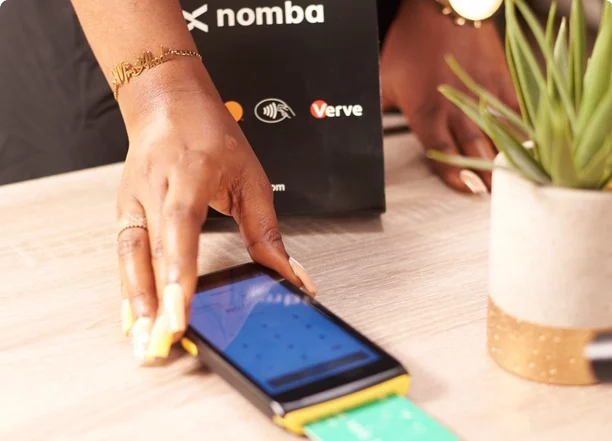
With Machankura, users can dial a local USSD code from any phone, feature or smartphone, and access a text-based menu that allows them to create a wallet, check their balance, or send Bitcoin. No need for an app or internet connection! This mobile-first approach is specifically designed to target Africa's vast base of feature phone users.
According to GSMA's "The Mobile Economy Africa 2025" report, only 28% of Nigeria's population uses mobile internet, leaving millions without access to digital asset platforms. Machankura's ambition is to change this by embedding Bitcoin into a technology that hundreds of millions of Africans already use daily – mobile money services like M-PESA.
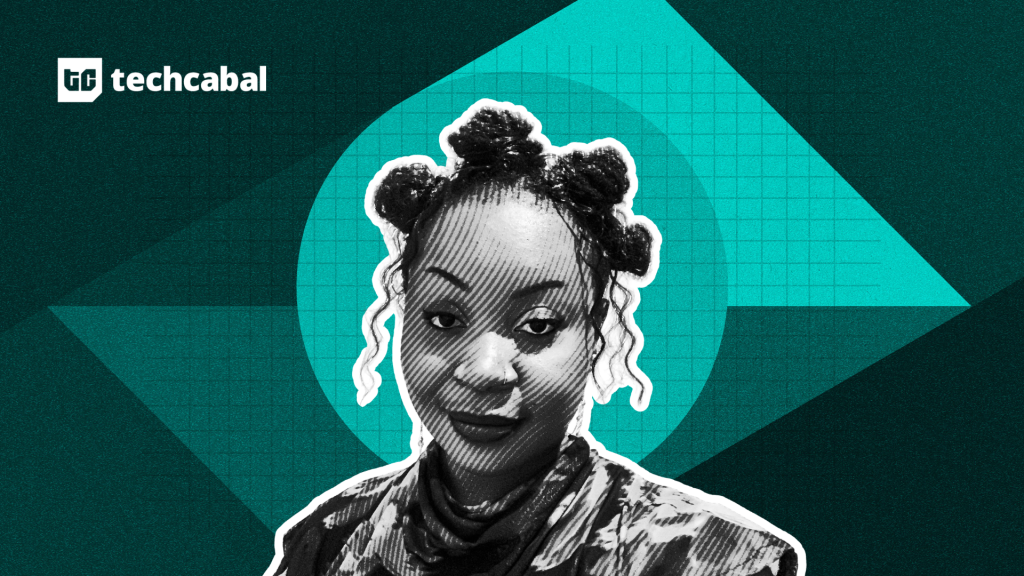
Noelyne Sumba, Machankura's Director of Operations, says the goal is to extend the use of USSD to Bitcoin, just like M-PESA extended it to payments. "USSD is already familiar," she explains. "People use it every day for financial services. We are extending that to Bitcoin."
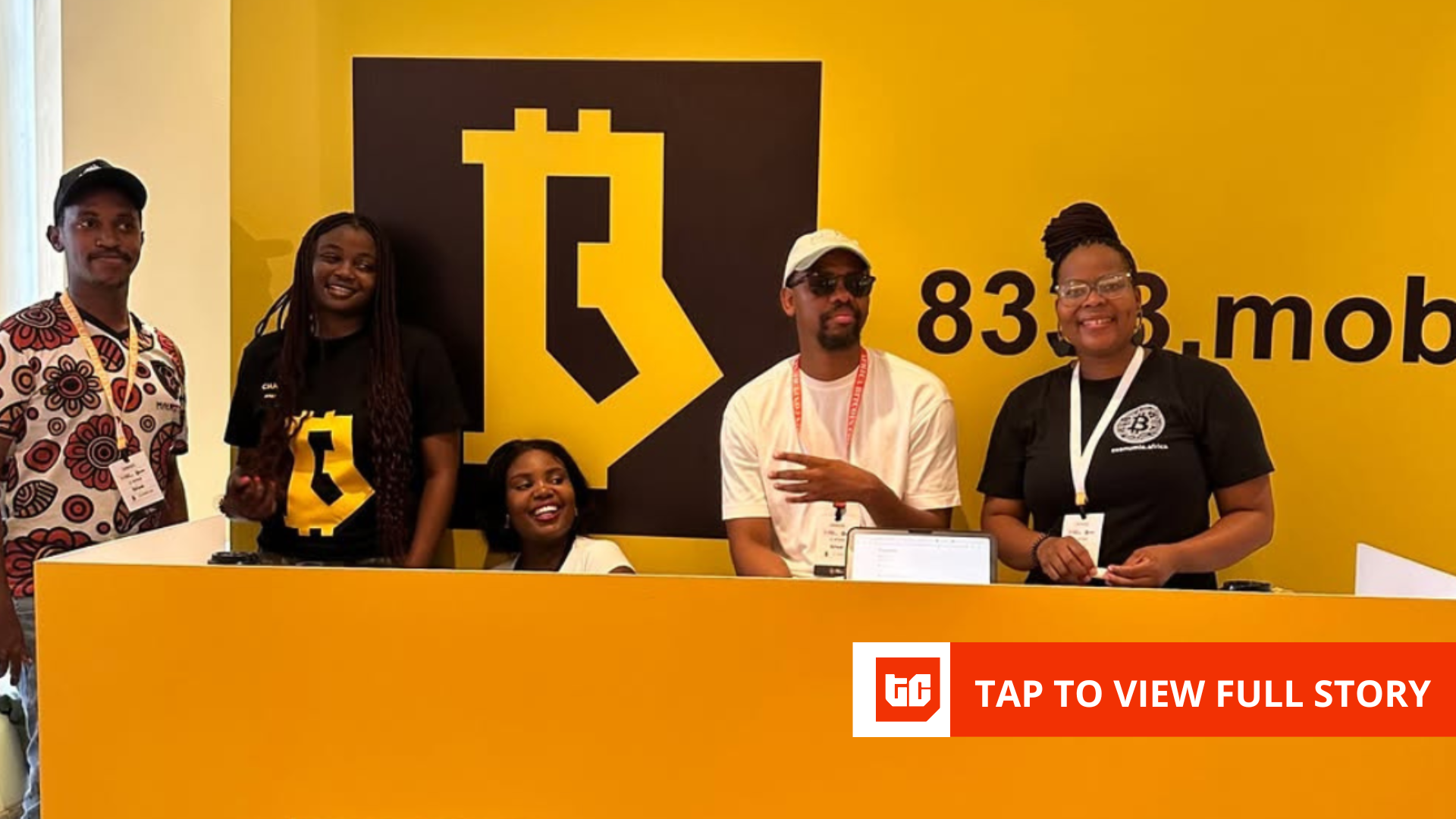
Machankura is already operational in several African countries, including Nigeria, Côte d'Ivoire, South Africa, Kenya, Ghana, Malawi, Zambia, Namibia, Tanzania, and Uganda. The service has connected over 39,000 phones, including feature devices, but adoption is concentrated in urban and peri-urban areas, primarily among younger, digitally-aware users.
However, Sumba is optimistic that Machankura can reach a wider audience, including older generations who may not be as tech-savvy. "It will take time," she acknowledges, "but we're committed to making digital
Source: Original Article. AI-enhanced version.
Related Stories