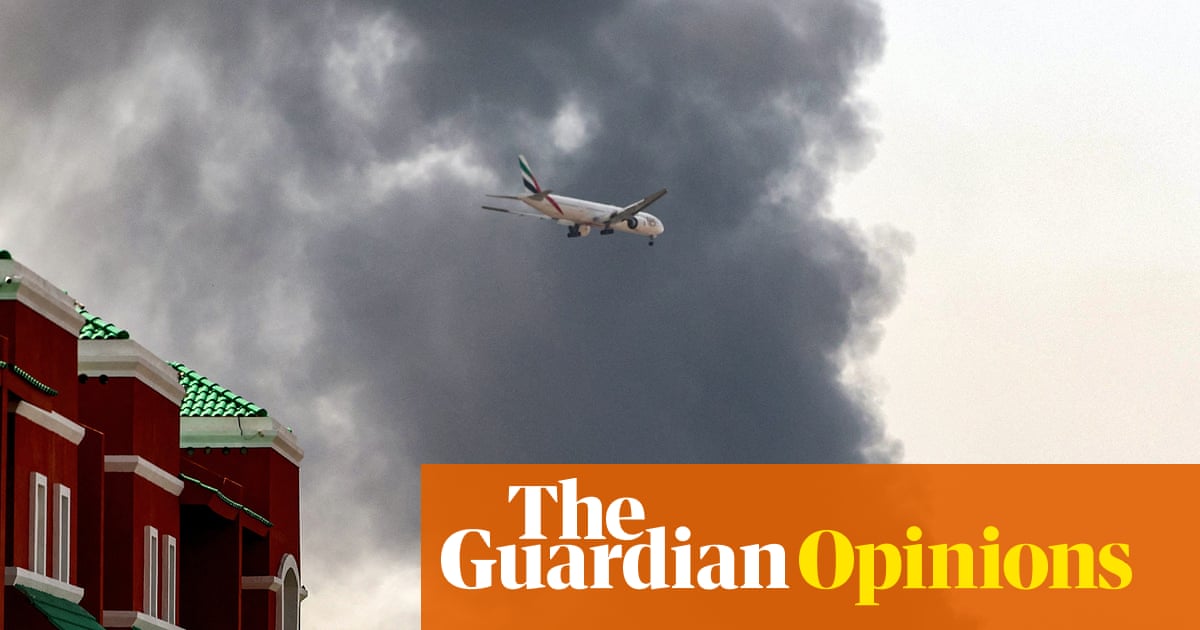
The war in Iran is ripping up the Gulf’s plan for stability | Sanam Vakil
**Gulf Region Grapples with Escalating Conflict as War Rages On**
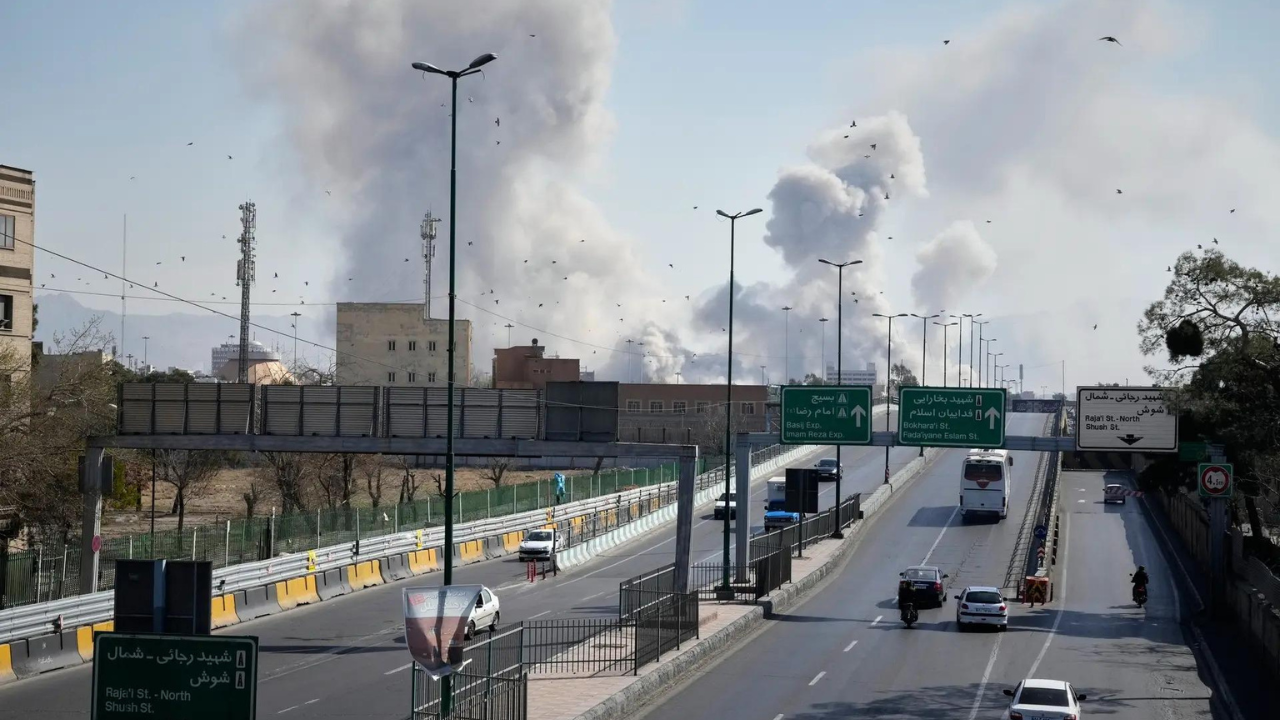
For over two weeks, the skies of the Gulf have been filled with missiles and drones as the war between the US, Israel, and Iran continues to escalate. This has resulted in airlines diverting flights, shipping routes being disrupted, and air defense systems across the region operating at constant alert. Furthermore, attacks have extended to energy infrastructure, including gas facilities and production sites, indicating a potentially dangerous escalation phase.
Governments in the region, which have been actively working to prevent the conflict, are now facing the consequences of their efforts to avoid war. In recent months, Riyadh, Abu Dhabi, Doha, and other governments have encouraged negotiations and warned about the dangers of escalation. Despite these efforts, the war is now disrupting a carefully crafted strategy that has taken decades to build.
The Gulf states' strategy of economic diversification, diplomatic engagement, and security partnerships has been based on three pillars: reliance on US security guarantees, cautious outreach to Iran, and expanding economic ties with Israel. However, the war is now revealing the fragile foundations of all three. The effective closure of the Strait of Hormuz has disrupted one of the world's most critical energy and shipping corridors, leading to soaring insurance costs and the halting or rerouting of commercial vessels.
**Port Activity Slows Sharply Across the Gulf**
Port activity across the Gulf has slowed significantly, including at major logistics hubs such as Jebel Ali in Dubai. Shipping companies are delaying or suspending calls, and global supply chains are adjusting to the mounting risk. Airlines are diverting flights to avoid missile and drone activity across Gulf airspace, disrupting the operations of major global transit hubs in Dubai and Doha that serve as critical gateways linking Europe, Asia, and Africa.
The Gulf governments' attempts to transform their economic models, such as Saudi Arabia's Vision 2030 projects and the UAE's role as a global aviation and logistics hub, depend on stability. The war is threatening precisely the reputation these states have spent years trying to cultivate. Moreover, the crisis is exposing the limits of the Gulf's longstanding reliance on the United States as its ultimate security guarantor.
**The Asymmetry of the US-Gulf Security Arrangement**
For decades, the US military presence in the region has been the cornerstone of Gulf defense strategy. US airbases dot the region, and Washington remains the primary supplier of advanced weapons systems. However, the current confrontation also reveals the asymmetry built into this arrangement. When Washington escalates tensions with Iran or backs Israeli military operations, it does so according to its own strategic calculations. The Gulf states, by contrast, have limited influence over US decision-making and are forced to adapt to the consequences of these actions.
Source: Original Article • AI-enhanced version
Related Stories