The Kent meningitis outbreak: what is happening and why?
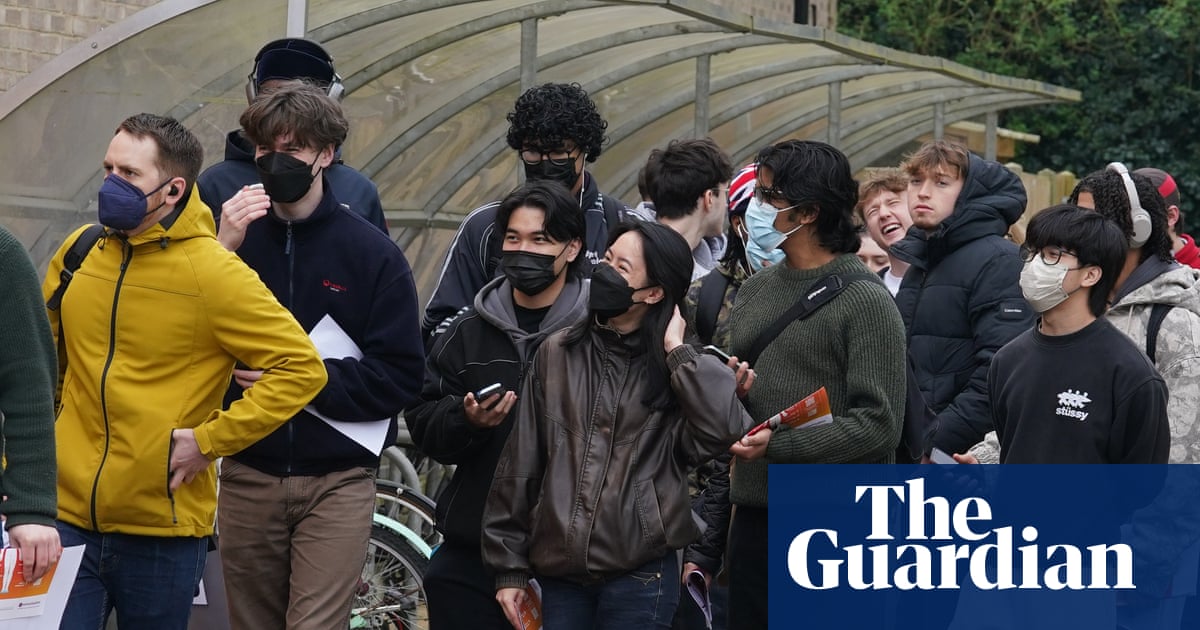
**Deadly Meningitis Outbreak in Kent Sparks Concerns Over Spread and Vaccination**
A recent outbreak of meningitis in Kent has raised concerns about the potential spread of the disease and has led to a resurgence of mask-wearing and vaccination queues. The situation bears some resemblance to the COVID-19 pandemic, but meningitis is a distinct and less common disease. The outbreak is driven by meningococcal bacteria, specifically the MenB strain, which are commonly found in the noses and throats of about 10% of the population.
Meningitis is a potentially life-threatening disease caused by viruses and bacteria that trigger inflammation of the meninges, the protective linings surrounding the brain. Public health officials have extensive experience with meningococcal bacteria, which have been present in humans for centuries. According to Prof Sir Andrew Pollard, director of the Oxford Vaccine Group, "With this particular organism, we've got several hundred years of history now, and we can absolutely predict what factors are likely to have played into the outbreak." This contrasts with the COVID-19 pandemic, which was driven by a new and highly transmissible airborne virus that public health officials struggled to understand.
**Who is Most at Risk?**
Meningitis is more common in babies, teenagers, and young adults than in other age groups. Babies are vulnerable due to their developing immune systems, while teenagers and young people are more exposed to the bacteria due to their living conditions and social behavior. In student populations, approximately 25% carry the bacteria, which can potentially be passed on to others. This highlights the importance of close and prolonged contact in the spread of meningococcal bacteria.
**How Does Bacterial Meningitis Spread?**
Meningococcal bacteria spread through close and prolonged contact, which can occur through living in the same household or student accommodation, intimate contact such as kissing, or sharing drinks or vapes. People who spread the bacteria often do not exhibit symptoms and only a minority who acquire the bacteria develop meningitis. In contrast to COVID-19, meningococcal bacteria do not survive well outside of saliva droplets or respiratory secretions and quickly sink to the floor if coughed out. According to Dr Eliza Gil, a clinical lecturer at the London School of Hygiene & Tropical Medicine, "It's much harder to pick up, because it's just not around in the environment in the same way."
**Assessing the Spread of the Disease**
The COVID-19 pandemic taught us about R values, the number of people an infected person typically passes the disease on to. An R value above one indicates rising cases, while a value below one indicates falling cases. Early in the pandemic, the R value for COVID-19 was around three, but fell with social distancing measures. It is too early to determine the R value for the meningitis outbreak in Kent, but public health officials are closely monitoring the situation to assess the spread of the disease and implement effective containment measures.
Source: Original Article • AI-enhanced version