Tariffs, stockpiles, distrust: the EU’s messy bid to ditch China hits capacity problems
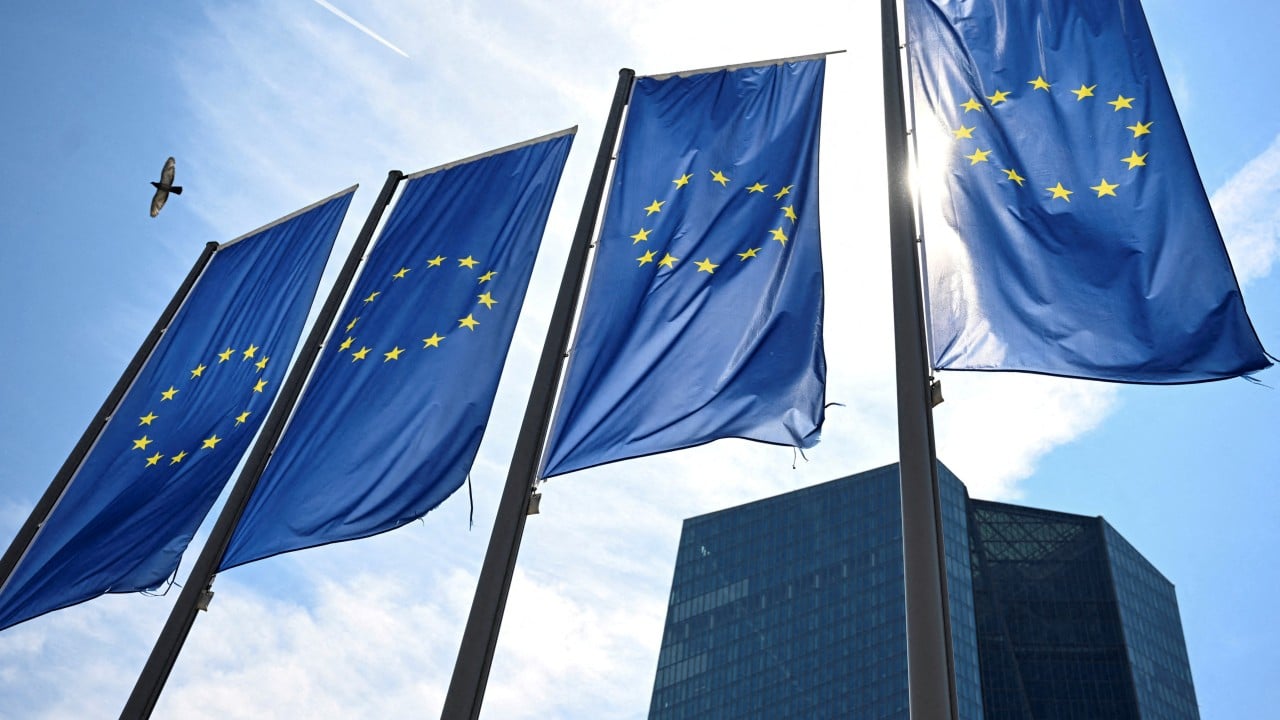
**EU's Plan to Ditch China Hits Roadblocks: Will Distrust and Capacity Issues Derail the Deal?**
In a move to reduce its dependence on China, EU ambassadors will gather in Brussels this week to discuss a critical minerals agreement with the United States. However, this delicate negotiation is taking place amidst concerns about capacity, trust, and a new trade threat from US President Donald Trump.
The EU's decision to explore alternative sources of critical minerals is a response to China's dominant position in the global market. But, the bloc's efforts are being hindered by capacity issues and a deep-seated distrust of the US.
US President Trump has recently launched a tariff investigation against 60 economies, including China, the EU, and India. This move has created tension and uncertainty for the EU, which is already grappling with capacity problems. The bloc's top diplomat, Kaja Kallas, has expressed concerns that the US is trying to drive a wedge between Europe and the EU.
A senior EU official has candidly admitted that the bloc cannot trust the US, especially with Trump at the helm. This sentiment reflects the complexities of the EU-US relationship, which is marked by a mix of cooperation and competition.
In recent years, the EU has faced capacity constraints in its efforts to diversify its supply chains and reduce its dependence on China. The bloc's ability to meet its own demands for critical minerals, such as cobalt and lithium, has been hampered by a lack of domestic production and an over-reliance on imports.
The EU's agreement with the US on critical minerals is seen as a crucial step towards reducing its dependence on China. However, the deal's success will depend on the bloc's ability to overcome its capacity issues and build trust with the US.
As the EU navigates this complex landscape, it remains to be seen whether the bloc can strike a balance between its desire to reduce its dependence on China and its need to develop a reliable relationship with the US.
Source: Original Article • AI-enhanced version for clarity & Nigerian context
Related Stories