Strait of Hormuz: European leaders shun Trump’s request for help

**The Strait of Hormuz Crisis: European Leaders Refuse Trump's Request for Military Help**
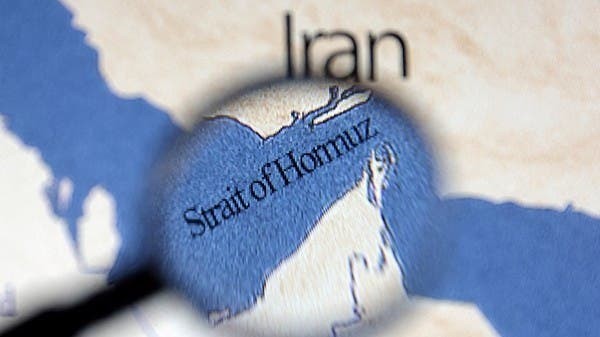
In a recent development, leaders from European countries have turned down a request from US President Donald Trump to join in lifting the blockade imposed on the Strait of Hormuz by Iran. The Strait of Hormuz is a critical waterway that connects the Persian Gulf to the Gulf of Oman, and its closure has significant implications for global oil shipments.
As tensions escalate between the US, Israel, and Iran, the Iranian government has effectively blocked the Strait of Hormuz to shipping associated with these countries, trapping hundreds of tankers. This move has threatened 20% of global oil shipments, causing massive spikes in insurance premiums and heightening the risk of a global energy crisis.
At a recent European Union gathering in Brussels, German Foreign Minister Johann Wadephul stated that his country had no intention of joining military operations in the conflict. "We need more clarity here," he said. In other words, Europe wants the US and Israel to be transparent about their goals and objectives before making any further decisions.
German Defence Minister Boris Pistorius echoed this sentiment, emphasizing that his country would not participate in military operations. He questioned the logic behind Trump's request, pointing out that the powerful US Navy is more than capable of handling the situation. Pistorius also suggested that diplomatic efforts should be prioritized to ensure safe passage through the Strait of Hormuz.
Germany's stance was echoed by the United Kingdom, another NATO member. Speaking from London, a UK official stated that the conflict has "nothing to do with NATO" and that the alliance's mandate does not extend to intervening in this situation.
The refusal of European leaders to get involved in the conflict is a significant blow to Trump's request for military help. As the global community continues to grapple with the implications of the Strait of Hormuz blockade, it remains to be seen how the situation will unfold.
In the context of West Africa, particularly Nigeria, the Strait of Hormuz crisis highlights the importance of diversifying energy sources and reducing dependence on imported oil. The crisis also underscores the need for Africa to develop its own oil refining capacity, thereby reducing its vulnerability to global oil price fluctuations.
As the situation continues to evolve, it is essential for African countries to remain vigilant and prepare for potential disruptions to global oil supplies. By diversifying its energy mix and investing in domestic oil refining capacity, Nigeria can reduce its exposure to global energy crises like the one unfolding in the Middle East.
Source: Original Article • AI-enhanced version for clarity & Nigerian context
Related Stories