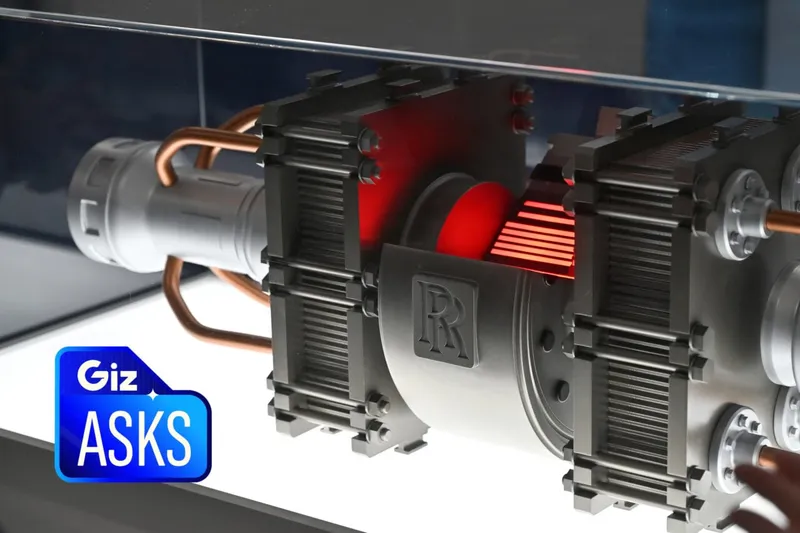
Nuclear microreactors, small enough to be placed on a truck, are being developed to provide power to remote communities and commercial grids. This technology, which has been in the experimental phase for decades, is now gaining traction as companies like Oklo and Terrestrial Energy move closer to commercialization. If successful, these microreactors could revolutionize the way we generate electricity, especially in areas where traditional power plants are not feasible.
The potential benefits of nuclear microreactors are numerous. They are designed to be compact, efficient, and safe, with the ability to provide a reliable source of electricity without the need for extensive infrastructure. This could be particularly beneficial for developing countries, where access to electricity is limited. However, experts also raise concerns about the safety and environmental impact of these microreactors, particularly in the event of an accident.
As the world becomes increasingly dependent on renewable energy sources, nuclear microreactors could play a crucial role in filling the gap between supply and demand. However, the development and deployment of these microreactors will require careful consideration of the potential risks and benefits.
The rapid development of nuclear microreactors raises important questions about the future of energy generation in Nigeria and beyond. While these microreactors could potentially provide a reliable source of electricity to remote communities, they also pose significant safety and environmental risks. Nigerian startups like Paystack and Flutterwave may need to consider the implications of this technology on the country's energy landscape, particularly as they continue to drive innovation in the tech sector.


