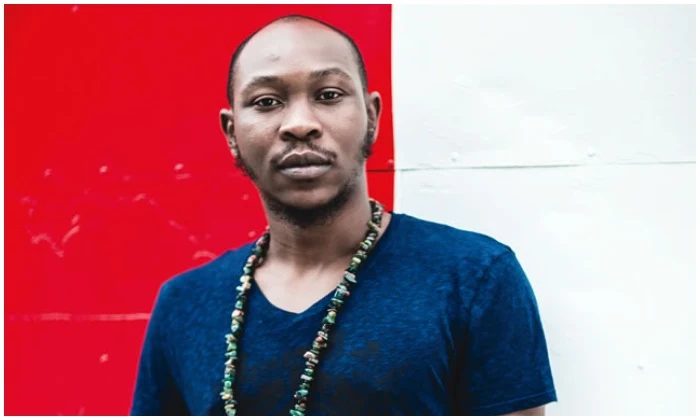
Afrobeat musician Seun Kuti has dismissed online activism as ineffective in driving real societal change. In a recent video, he argued that social media does not hold the transformative power many attribute to it. He referenced past Nigerian public campaigns, including the "Bring Back Our Girls" movement, which persisted from the Jonathan administration into the Buhari era without achieving its goal. Seun noted that raising the issue later invited backlash, illustrating diminished public tolerance.
He criticised the repetitive nature of protest methods in Nigeria, stating that using the same approach across different administrations while expecting different outcomes is futile. Social media, according to him, is overestimated because it operates under regulation and algorithmic control. He cited personal experience, saying his recent video had its audio removed and the post subsequently restricted. This, he said, proves that digital platforms limit reach despite users' belief in their influence.
Seun emphasized that governments would not allow unrestricted access if social media truly posed a threat. He questioned the actual impact of online content, noting that suppression of material undermines perceived digital power. His comments reflect growing skepticism about the efficacy of digital campaigns in achieving tangible results. The musician's critique centers on the gap between online visibility and real-world change.
Seun Kuti highlights a contradiction in claiming social media is weak while citing its power to suppress his content. If platforms can silence his video, they are not powerless. This undermines his argument that online activism has no effect. For Nigerians relying on digital spaces to speak, the ability to be censored proves those spaces matter.
💡 NaijaBuzz Take is AI-assisted editorial opinion, not established fact. Full disclaimer →


