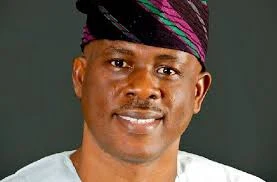
The 2027 general elections in Lagos may hinge on non-indigene voter blocs, with Senator Musiliu Obanikoro positioned as a central figure in the All Progressives Congress's strategy to regain their support. Political calculations within the APC are shifting as demographic changes in Lagos amplify the voting strength of Igbos, Edos, Urhobos and other South-South communities. These groups, concentrated in commercial districts, markets and transport hubs, have become a decisive electoral force. The APC's dominance in Lagos, long anchored in Tinubu-era political structures, showed vulnerabilities during the 2023 polls when opposition parties gained ground by leveraging feelings of exclusion among non-indigene populations.
Obanikoro's influence stems from decades of engagement with migrant communities rather than ethnic-specific patronage. His tenure as chairman of Lagos Island Local Government, senator for Lagos Central, Minister of State for Defence and later Minister of Foreign Affairs helped build deep ties with business owners and grassroots networks across ethnic lines. He is widely seen as a bridge builder with rare acceptance among Igbo, Edo, Delta and Urhobo communities. Analysts note that his national exposure strengthened relationships in the Niger Delta and South-South regions. The phrase "Kosi Koro, Kosi Ibo" — without Obanikoro, there will be no votes — reflects the perceived importance of his role.
The APC now faces pressure to strategically deploy Obanikoro to counter opposition inroads and consolidate President Bola Tinubu's re-election prospects. His ability to mobilize non-indigene voters is considered vital for electoral success in Lagos, where urban demographics have outpaced traditional political frameworks. While Tinubu remains a dominant political figure, the changing electorate demands new coalition-building approaches. Obanikoro's relationships, built over years of direct interaction, are now viewed as a critical asset.
Senator Musiliu Obanikoro once held high-ranking federal positions yet now his political value is tied to mobilizing votes from non-indigene groups rather than policy impact. His influence rests on personal relationships built during past roles, not current office or party mandate. This reduces a former minister's relevance to ethnic brokerage instead of governance. For millions of non-indigene voters in Lagos, their political weight is acknowledged only when tied to a recognizable intermediary.
Editorial note: AI-assisted opinion, not established fact. Full disclaimer →


