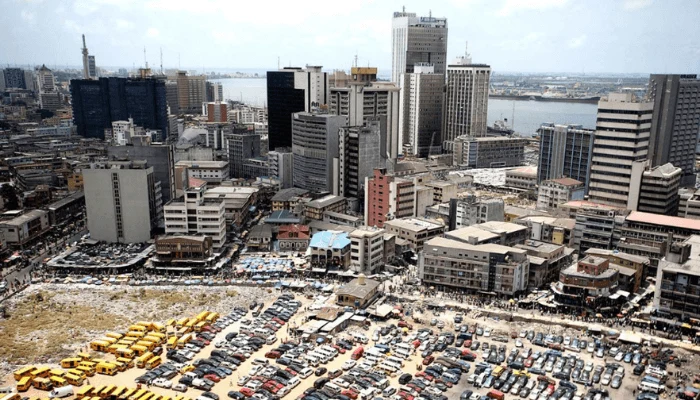
The Nigerian economy has recorded measurable macroeconomic improvements since President Bola Ahmed Tinubu launched sweeping reforms two years ago. The Naira is more stable compared to 2022, foreign reserves have risen, and the foreign exchange market operates with fewer disruptions. International financial institutions have responded with cautious optimism, and credit rating agencies are revising outlooks upward. These changes follow the removal of fuel subsidies, liberalisation of the foreign exchange market, tighter monetary policy, and intensified tax reforms. Officials and economists argue these steps corrected long-standing distortions, reduced arbitrage, and improved investor confidence.
Despite these gains, daily life for most Nigerians remains difficult. Food prices are still high, transport fares strain household budgets, and small businesses face weak demand and expensive credit. In markets across Lagos, Kano, Aba, and Ibadan, families continue to struggle with affordability. The disconnect between macroeconomic indicators and lived experience has become central to public debate. The reforms, collectively termed "Tinubunomics," were designed to fix structural flaws like unsustainable fuel subsidies and multiple exchange rates that undermined fiscal stability. While the technical logic is widely accepted, the pace of tangible improvement has not matched the speed of the initial economic pain.
Insecurity, high logistics costs, unstable electricity, and elevated production expenses continue to feed inflation, especially in food. These factors prevent price reductions even as the exchange rate stabilises. For many citizens, economic progress is judged not by reserve levels or currency performance but by the cost of rice, school fees, and transport. Ogundipe, a public affairs analyst and former president of the Nigerian and African Unions of Journalists, writes that the reforms may succeed technically but risk arriving too late to win public trust.
President Tinubu's administration points to a stabilised Naira and improved reserves while Nigerians still cannot afford food or transport. The reforms assumed economic logic would eventually translate into daily relief, but two years on, the people paying the price see no return. A policy that works on paper but not in markets and homes risks losing legitimacy no matter the technical success. The cost of waiting may already exceed what citizens are willing to bear.
Editorial note: AI-assisted opinion, not established fact. Full disclaimer →


