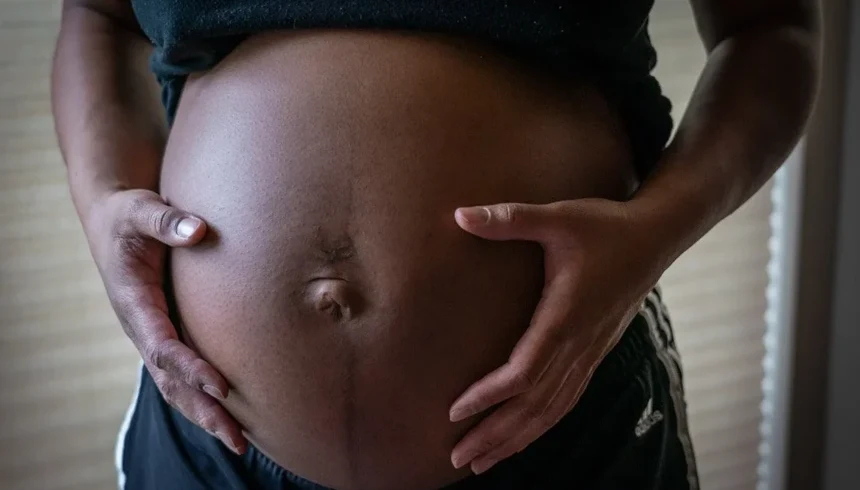
Obstetricians and gynaecologists have warned that high caffeine intake during pregnancy may lead to complications including miscarriage, hypertension, and restricted foetal growth. Dr Joseph Akinde, an obstetrician, gynaecologist and former Chairman of the Society of Gynaecology and Obstetrics of Nigeria, Lagos State chapter, said coffee acts as a stimulant that can cause restlessness and disrupt essential sleep in pregnant women. He stressed that inadequate rest may negatively affect pregnancy outcomes and advised a minimum of eight hours of sleep daily. Akinde noted that excessive caffeine consumption could lead to high blood pressure and interfere with normal foetal development, potentially resulting in growth restriction.
Dr Stanley Egbogu, a consultant gynaecologist, echoed the warning, stating that high caffeine levels are linked to miscarriage, premature delivery, and foetal growth restriction. He explained that caffeine crosses the placenta and accumulates in the foetus, which lacks the ability to metabolise it efficiently. Egbogu highlighted that caffeine is not limited to coffee, noting its presence in tea, chocolate, and carbonated drinks, and cautioned that consuming multiple sources may cause intake to exceed the 200 milligram daily limit recommended by the UK's National Health Service. He said a standard cup of coffee contains 80 to 100 milligrams of caffeine, meaning two to three cups could already surpass safe levels. The World Health Organisation also warns that high caffeine intake may disrupt the mother's physiological balance and sleep, affecting the baby's development.
The advice from two medical experts applies only to high caffeine intake, yet no data is provided on how many pregnant women in Nigeria actually exceed safe limits. Without evidence of widespread overconsumption, the warning remains a general caution rather than a targeted public health response. This makes it unclear how urgently the message should be prioritised in maternal care settings.
Editorial note: AI-assisted opinion, not established fact. Full disclaimer →