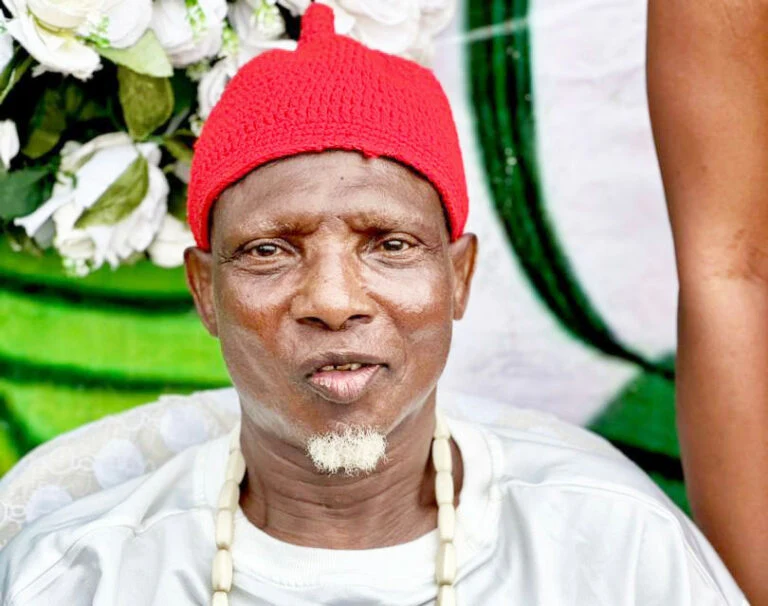
Johnson Adjan, the Urhobo musician known as Professor Johnson Adjan and Ogburine, has died at the age of 82. Born Johnson Ositejivwore Oyiborode Adjan on 2 January 1944 in Afiesere, his maternal community, he was an indigene of Ofuoma-Ughelli in Delta State. He grew up in Orhoakpor and was influenced by the Igbe-Ame sect, whose worship songs shaped his musical style. His career spanned over 50 years, during which he became one of the most revered cultural figures among the Urhobo people.
Adjan's music was described as deeply philosophical, drawing on proverbs, legends, and myths to convey Urhobo indigenous knowledge. His voice and lyrical clarity made his songs a staple in Urhobo households from the early 1980s. He made his international debut in 1970 with a performance in London before a Urhobo audience. His work attracted academic attention, including a doctoral thesis by Dr. Peter Udi at the University of Ibadan on the psychotherapeutic value of his songs.
He was widely recognized as a custodian of Urhobo culture and worldview. The honorific title "Professor" reflected his mastery of oral tradition and music. In January 2024, Professor Sunny Awhefeada, Vice-Chancellor of Southern Delta University, published a tribute titled "Johnson Adjan, The Ogburine, At 80" in the Daily Independent. The article recalled how Adjan's music resonated across generations, from childhood to adulthood, offering philosophical depth and cultural validation.
In recent years, Adjan faced health challenges, including stroke and prostate issues. A fundraiser was organized by his friend Pat White to support his treatment. On 14 May 2025, his family issued a statement on his Facebook page thanking supporters and reporting improvement in his condition. The post stated, "Daddy is getting better and we pray he live the rest of his days in good health. God and you all made it possible."
Johnson Adjan was celebrated as a cultural pillar while still alive, yet required a public fundraiser for medical care. His family's gratitude post days before his death underscores a gap between cultural reverence and tangible support for aging artists. The same society that danced to his beats for decades had to rally privately to fund his treatment. No national institution or arts body stepped forward with public assistance.
Editorial note: AI-assisted opinion, not established fact. Full disclaimer →


