Phillipson accuses lawyers of exploiting parents of children with special needs
**British Education Secretary Accuses Lawyers of Exploiting Parents of Children with Special Needs**
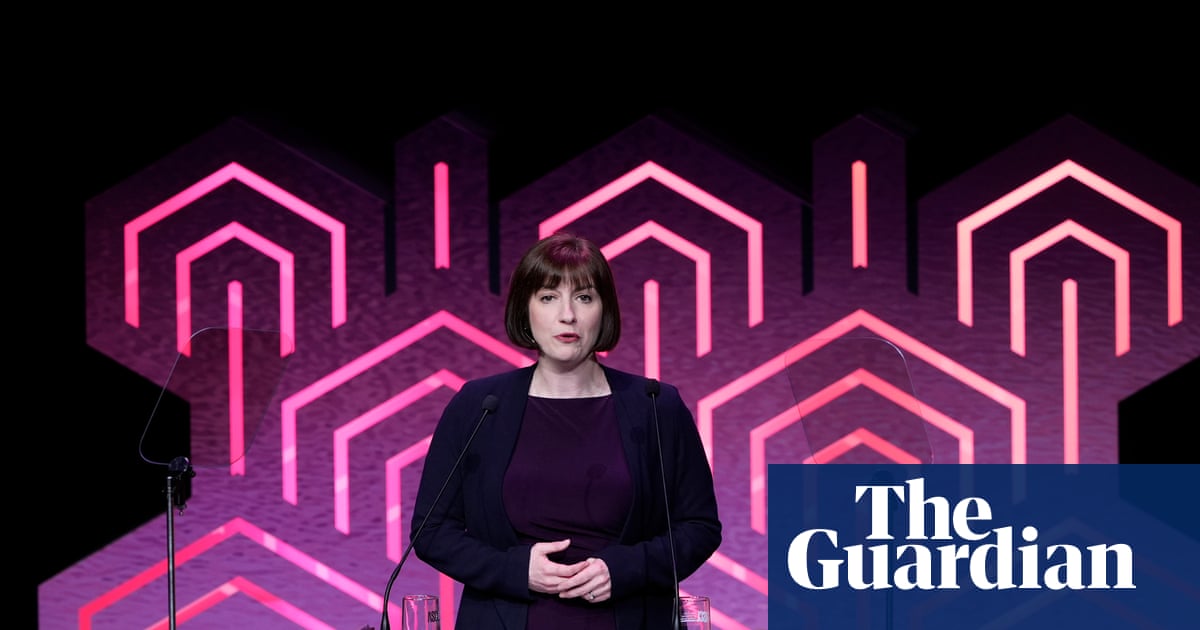
In a recent statement, Bridget Phillipson, the Education Secretary of the United Kingdom, has accused lawyers of taking advantage of parents of children with special needs. According to Phillipson, these lawyers are driven by profit and are opposed to policy changes that aim to improve the education system for children with special needs.
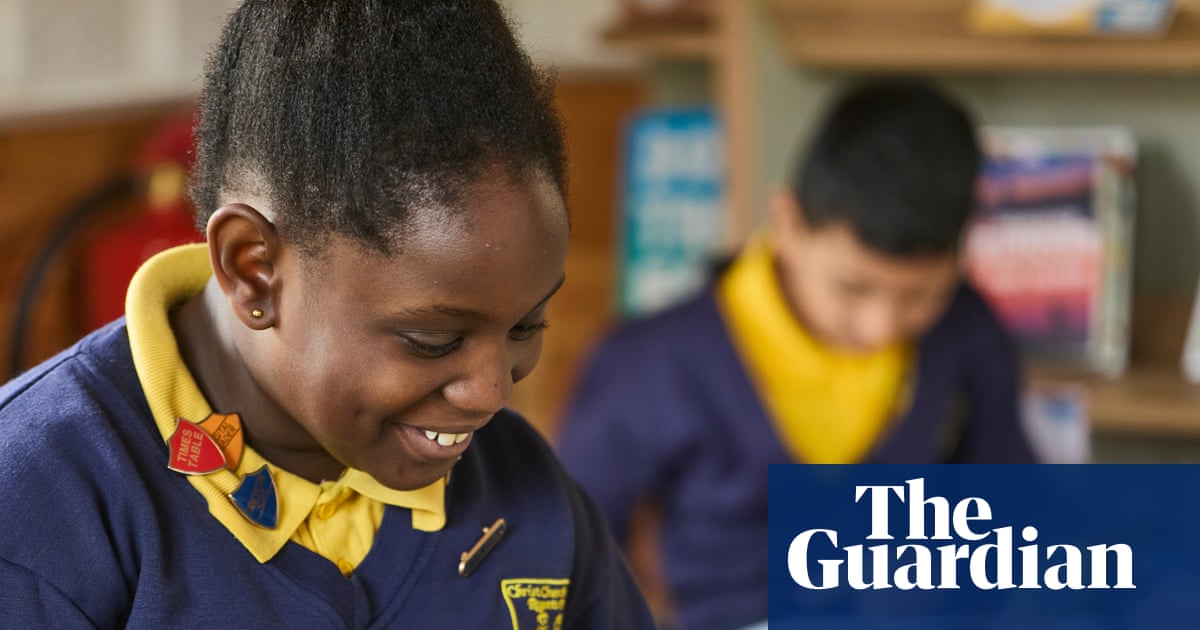
Phillipson made this statement at the Association of School and College Leaders (ASCL) annual conference, where she discussed the government's plans to overhaul the special educational needs system. The new policy aims to increase the number of children with special needs, such as autism or ADHD, who are educated in mainstream schools rather than special schools.
However, lawyers who provide services for families have criticized certain aspects of the new policy, which they claim will lead to shortages of places in special schools and force some to close. Phillipson responded by accusing these lawyers of having a vested interest in maintaining the current system, which they can profit from by exploiting parents.
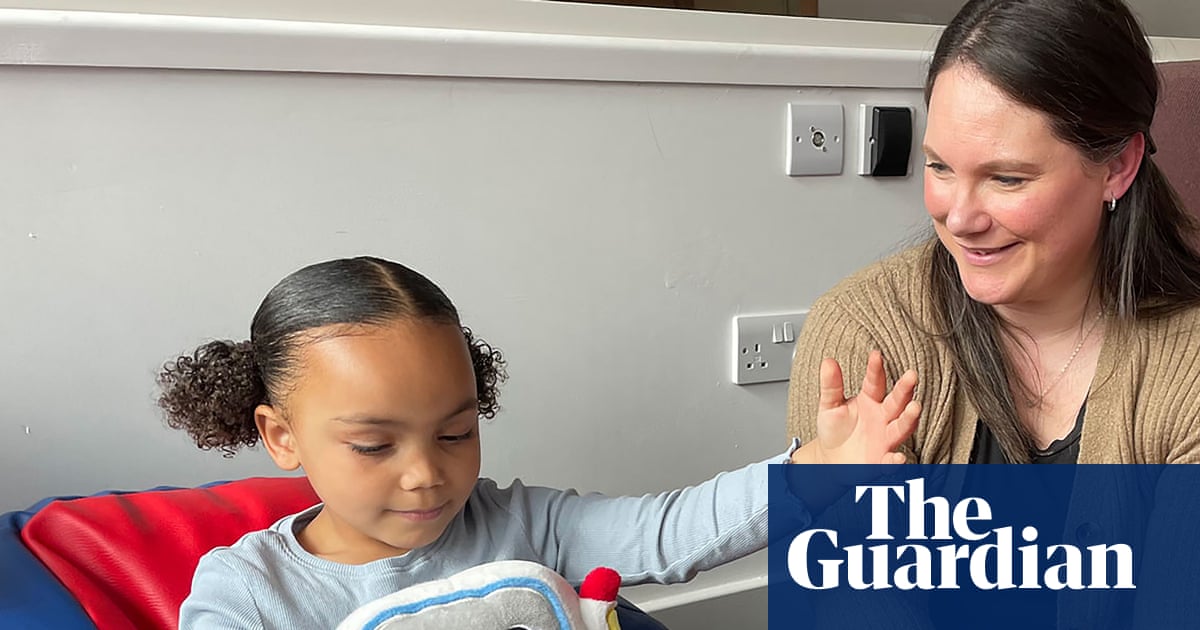
She argued that the current system is unfair, as parents who have the means to hire lawyers often receive better treatment than those who do not. The Education Secretary believes that the government's new support system, which aims to provide earlier and more equitable support for all children, is a more just and effective approach.
In Nigeria, a similar issue exists in the education sector, particularly with regards to children with special needs. Many parents struggle to access quality education and support for their children, often due to financial constraints. The Nigerian government has also implemented policies aimed at improving the education system, including increasing access to inclusive education for children with special needs.
However, the implementation of these policies has been hindered by various challenges, including lack of funding and inadequate infrastructure. In addition, the rise of private schools and special education centers has created a market where some service providers may prioritize profit over the needs of children and their families.
Phillipson's statement highlights the need for a more equitable and effective education system that prioritizes the needs of all children, regardless of their abilities or the resources available to their families. In Nigeria, similar efforts are needed to address the challenges faced by children with special needs and their families, and to ensure that education is accessible and inclusive for all.
Source: Original Article • AI-enhanced version for clarity & Nigerian context