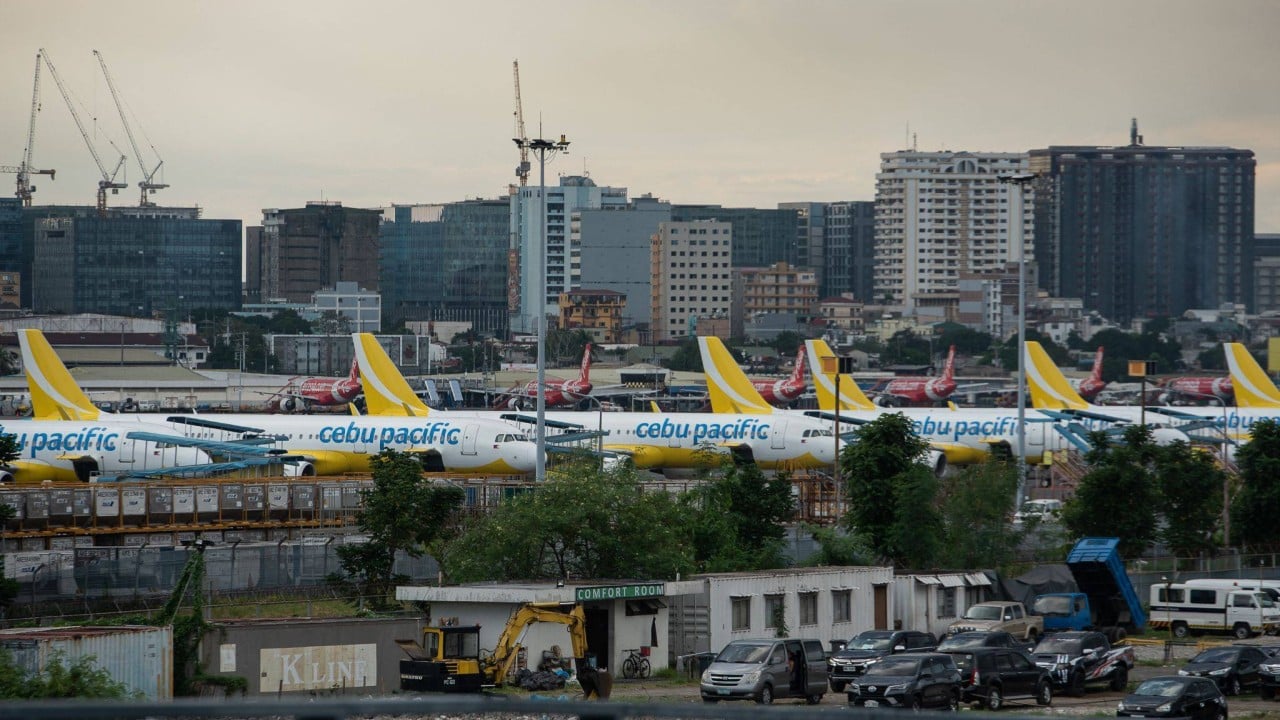
The Philippines is on the brink of a major crisis as the country's airlines struggle to cope with a severe shortage of jet fuel caused by the ongoing conflict in the Middle East. The escalating situation has prompted President Ferdinand Marcos Jnr to warn that grounding planes is a "distinct possibility". Several countries have informed the Philippines that they cannot supply jet fuel to its airlines, forcing them to carry fuel from one destination to another. This has resulted in a significant increase in fuel costs, making long-haul flights a major concern.
The Philippines is highly exposed to energy shortages due to its reliance on imported crude from the Middle East. The country's budget carrier, Cebu Air, has already announced plans to reduce flights next month due to surging fuel prices. Other airlines in the region are also taking steps to mitigate the impact of the crisis. Vietnam Airlines has temporarily suspended flights on some domestic routes, while VietJet Aviation has reduced the frequency of flights. Bamboo Airways has advised that services may be fewer than last year if oil prices remain high.
The crisis has significant implications for the country's aviation industry, with many airlines struggling to stay afloat. The situation is particularly concerning for the Philippines, which relies heavily on tourism and international trade. As the conflict in the Middle East continues to escalate, the country's airlines are racing against time to find a solution to the crisis.
The unfolding crisis in the Philippines highlights the vulnerability of countries reliant on imported crude. The escalating Middle East conflict threatens to trigger the worst oil shock since the 1970s, and the Philippines is at the forefront of this crisis. The country's airlines are facing a daunting task in navigating the treacherous waters of the global energy market, and it remains to be seen how they will adapt to the changing circumstances. The crisis has significant implications for the country's aviation industry and economy, making it a pressing concern for policymakers.