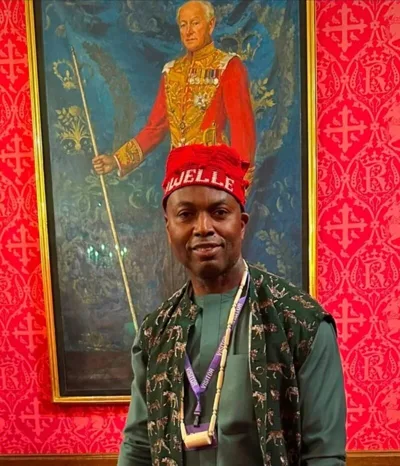
A rift has surfaced within the Nigeria Democratic Congress following public accusations by Morris Monye, an ally of presidential candidate Peter Obi, that his name was removed as the party's House of Representatives candidate in Delta North. Monye alleged the substitution followed the entry of political figures who recently defected from the All Progressives Congress, claiming these new members influenced the outcome by asserting he lost the primary election. He stated the returning officer produced a result favouring another candidate, though he did not challenge it immediately, choosing instead to brief Peter Obi late at night about the development.
Obi expressed concern and gave fatherly counsel, Monye said, with Dr. Tanko, Dr. Mo, Mama Pee, Peter Akah, Esther and Ibrahim present. After deliberations, Monye decided not to pursue the matter further, citing respect for Obi and the party's broader presidential goal. He denied seeking personal political gain, saying, "I am not desperate to answer 'Honourable' but I'm desperate to see a Nigeria that works for me, you and all our loved ones. Nigeria must work in my lifetime." Monye also claimed he had donated a secretariat to the party in his constituency and made significant financial contributions, documented with receipts and known to Deacon Ken Pela and the Delta State NDC Secretary.
In response, NDC spokesperson Theo Agada stated the national leadership had no role in Monye's alleged removal, attributing candidate selection to state-level authorities. He named Prof. Pat Utomi, the party's governorship candidate and a core Obidient, and Victor Ochei as the local leaders responsible for decisions on candidate placement. Agada dismissed claims of financial influence, noting the party only sold Expression of Interest forms to aspirants.
Morris Monye claims he stepped down to protect Peter Obi's presidential ambition, yet publicly named internal figures he believes orchestrated his removal. This raises questions about whether unity was preserved or merely performed for public consumption. The party's structure allows state leaders like Utomi and Ochei to decide candidate nominations, leaving national figures like Obi with limited direct control.
Editorial note: AI-assisted opinion, not established fact. Full disclaimer →