Pakistan says two soldiers killed after attacks by Afghan Taliban
**Cross-Border Tensions: The Unsettling Reality**
Imagine if armed groups in the North-East region of Nigeria suddenly began launching attacks on Nigerian military bases, prompting a swift response from our security forces. The consequences would be dire and far-reaching. A similar scenario is unfolding on the other side of the world, in a region that has long been a hotspot for terrorist activities – Pakistan's north-western province of Khyber Pakhtunkhwa.
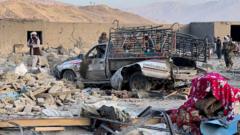
In a statement, Pakistan's government accused the Afghan Taliban of launching unprovoked attacks on multiple locations in Khyber Pakhtunkhwa, sparking a fierce counter-response from Islamabad's security forces. The Taliban's actions have been met with a stern warning from Pakistan, which claims that the group has "miscalculated" in its actions. The implications of this development are significant, not just for Pakistan but for the entire region.
The Khyber Pakhtunkhwa province has long been a battleground between security forces and militant groups, including the Taliban. The region shares a porous border with Afghanistan, making it a hub for terrorist activities and a breeding ground for extremist ideologies. Pakistan's military has been engaged in a long-running operation to root out terrorism from the region, with varying degrees of success.
The latest attacks by the Taliban have raised concerns about the stability of the region and the potential for a wider conflict. Pakistan's security forces have vowed to take decisive action against the Taliban, which could lead to a further escalation of tensions. The situation serves as a reminder of the complexities of border politics and the challenges of combating terrorism in a region where the lines between friend and foe are often blurred.
As Nigeria continues to grapple with its own security challenges in the North-East, we can't help but draw parallels with the situation in Pakistan. The two countries share a common experience of dealing with militant groups and the consequences of border tensions. While the specifics of the situation may differ, the underlying concerns about security, stability, and the impact on local communities remain the same.
Ultimately, the situation in Pakistan serves as a reminder of the need for sustained efforts to combat terrorism and promote regional stability. As we navigate our own security challenges, we can learn from the experiences of other countries and work towards building a more secure and peaceful future for all.
Source: Original Article. AI-enhanced version.


