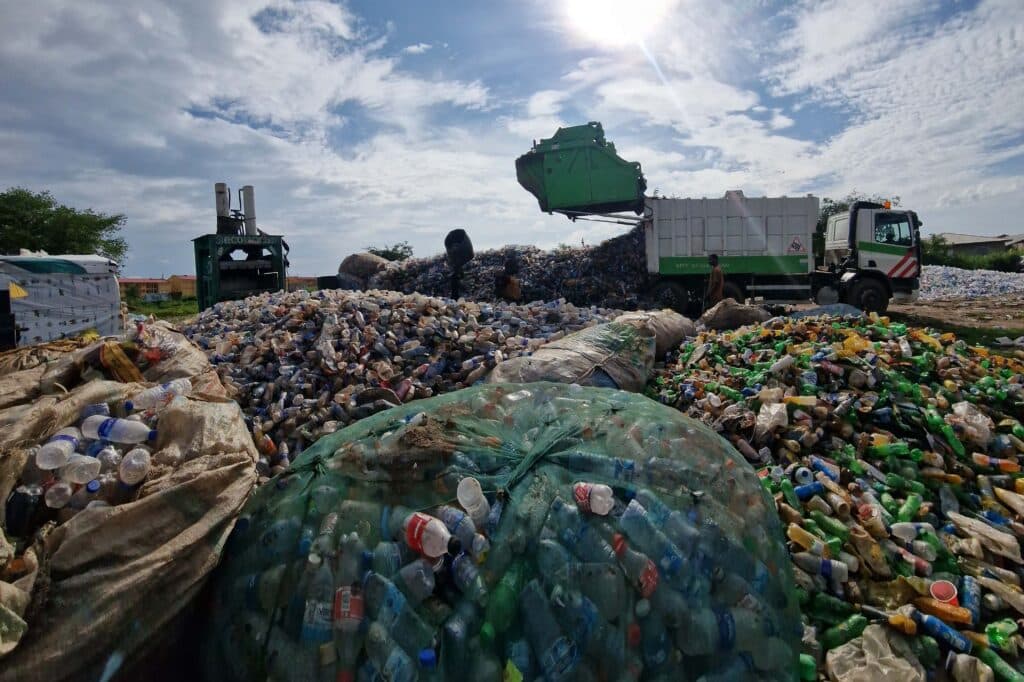
Waste Management Crisis Hits Nigeria's Cities, Startup Offers Solution
Nigeria's growing urban population has led to a significant increase in waste generation, with major cities like Lagos, Abuja, and Port Harcourt struggling to manage the problem. Heaps of refuse line roads, drainage systems are clogged with plastic, and the smell of waste is persistent in densely populated neighbourhoods. According to estimates, Nigeria generates over 30 million tonnes of waste annually, with local government councils and private operators struggling to keep up. Inconsistent collection and inadequate disposal have become the norm, with waste often going uncollected for days or weeks and being dumped rather than properly processed.
In this challenging environment, a tech-enabled social enterprise called Ecobarter is working to make Nigeria's cities cleaner and reduce environmental pollution. Founded in 2018 by Rita Idehai, the company collects and monetises waste by transforming it into new products. Rather than charging users for waste collection, Ecobarter pays them for recyclable materials like plastic, aluminium, and other metals. Households and businesses can exchange their waste for cash, incentivising them to separate and store recyclables rather than disposing of them indiscriminately.
Ecobarter's approach has expanded to include organic waste, which is channelled into a biogas plant in Abuja. The company now serves around 13,000 users across Lagos, Abuja, Port Harcourt, and Ibadan, with scheduled waste pickups twice monthly for recyclables and weekly for organic waste. The introduction of a mobile application has streamlined operations, allowing users to schedule pickups, track collections, and receive payments.
Ecobarter's innovative approach to waste management is a beacon of hope for Nigeria's cities. By attaching monetary value to waste, the company is changing people's behaviour and promoting a culture of recycling. As Nigeria's urban population continues to grow, Ecobarter's model could be replicated in other cities, providing a sustainable solution to the country's waste management crisis. The company's focus on digital infrastructure and community engagement is also a testament to the power of technology in driving social change.


