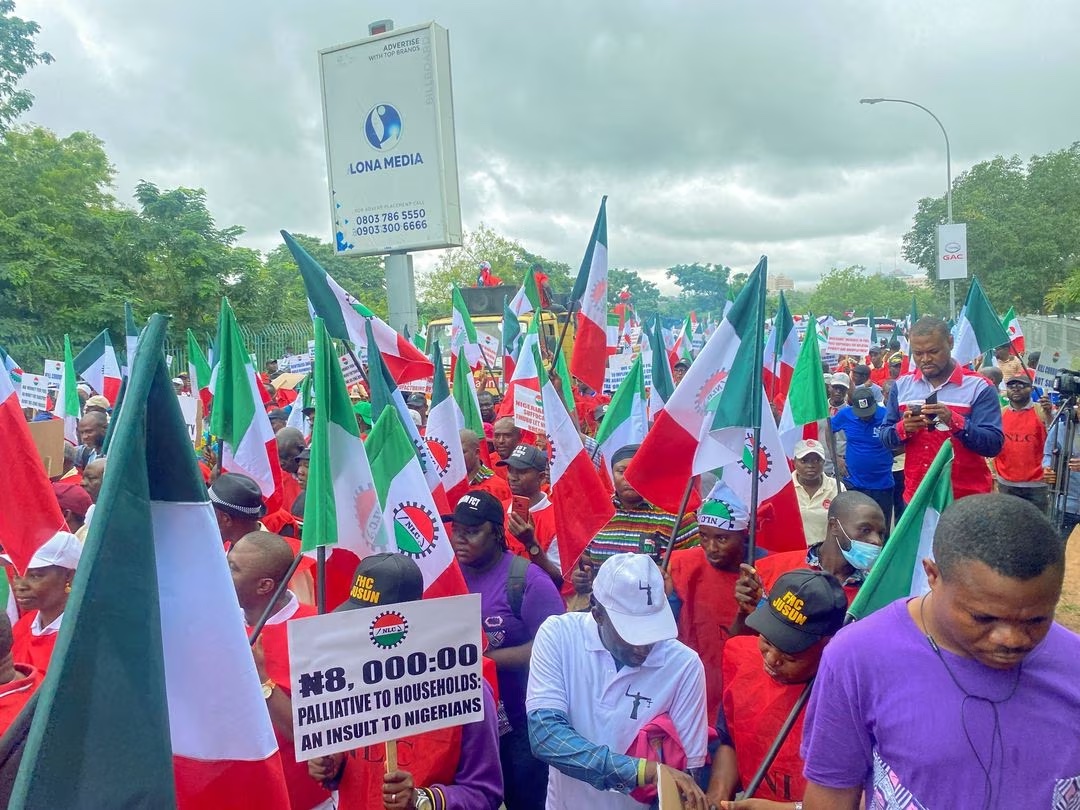
The Nigeria Labour Congress has rejected a proposed N6 trillion bailout for power generation companies, citing its failure to resolve the country's electricity crisis. The Congress argues that continued financial interventions have only masked symptoms rather than addressing the root causes of inefficiencies in the power sector.
The proposed bailout, according to the Congress, would further burden citizens who already contend with high electricity tariffs and persistent power outages. The Congress has called for comprehensive reforms, including the merger of the Ministries of Petroleum and Power into a single Ministry of Energy to improve coordination and efficiency.
The labour leader, Joe Ajaero, has urged the Federal Government to suspend the proposed bailout, insisting that public funds should not be used to support private investments that have not delivered expected results. He also called for a stakeholders' summit to design a people-focused roadmap for the power sector, prioritising public interest, energy security, and workers' welfare.
The Congress's position adds to the growing debate over the sustainability of Nigeria's power sector financing model. The government continues to grapple with the challenges of providing affordable and reliable power supply to Nigerians.
The NLC's rejection of the proposed N6 trillion bailout sends a clear message to the Federal Government: that it is time to rethink the power sector financing model. The government's continued reliance on financial interventions has only led to a cycle of inefficiency and burden on citizens. Joe Ajaero's call for a unified energy structure and a stakeholders' summit to design a people-focused roadmap is a step in the right direction. This is an opportunity for the government to put the interests of Nigerians first and ensure that the power sector is driven by public interest, not profit. The stakes are high, and the clock is ticking for the government to deliver on its promise of affordable and reliable power supply.